
ZERODUR® Zero-Expansion Glass Ceramic
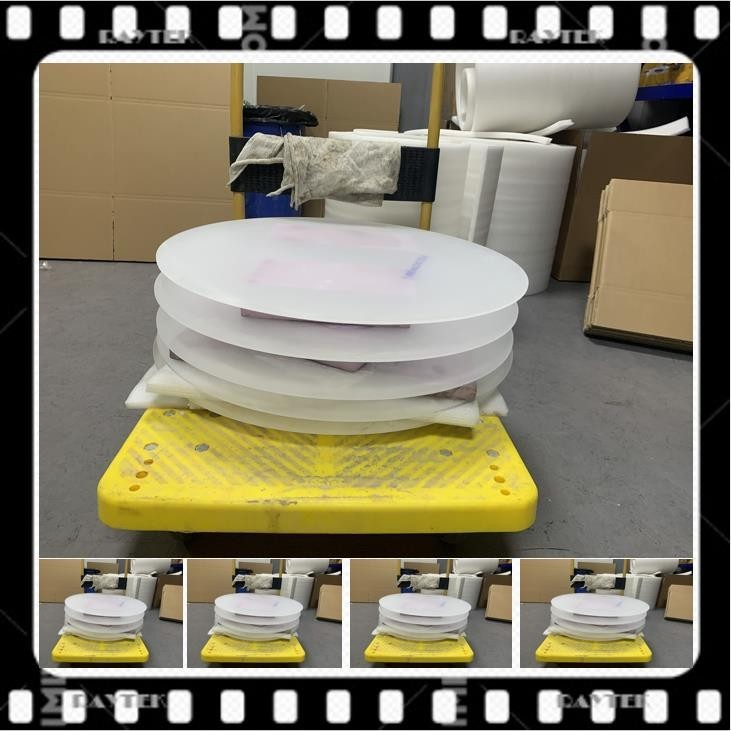
Product introduction ZERODUR? glass-ceramic is a non-porous, inorganic glass-ceramic with a completely non-directional and anisotropic structure. Due to the perfect balance between its internal glassy and crystalline states, its coefficient of thermal expansion is close to zero. Since the chemical properties and hardness of the crystalline and glassy states of ZERODUR? glass-ceramic are very similar to those of optical glass, it can be processed using the same equipment and tools used for optical glass and technical glass (such as cutting, grinding and polishing). Our advantages In terms of ZERODUR? glass-ceramic production, SCHOTT Advanced Optics has rich experience and strong capabilities, producing both tiny components and parts weighing several tons, with unique repeatable production capability. We can also supply zero-expansion glass with excellent three-dimensional homogeneity. ZERODUR? glass-ceramic has the following outstanding characteristics: Excellent internal quality Low chemical helium permeability, greatly extending component service life Can be polished to extremely high precision Good coatability Excellent processing performance Outstanding chemical stability Main applications ZERODUR? zero-expansion glass-ceramic is an ideal material for astronomy, microlithography technology, measurement technology, mechanical structures and optical systems. Supply forms ZERODUR? glass-ceramic can be supplied in the following forms: Round blanks Rectangular blocks Prism blanks Rods Cut pieces (lengths from a few centimeters to about 4 meters) In addition, we have advanced CNC processing equipment and various grinding technologies, capable of manufacturing components with complex geometries and fine structures according to customer needs. If you are interested in high-precision optical components made of this material, please click the following link or contact us. Optical processing and components Characteristics Coefficient of thermal expansion: We can provide ZERODUR? glass-ceramic materials in round blanks, square blanks or rods according to customer requirements. In the temperature range of 0° ~ 50°C, the linear coefficient of thermal expansion can be divided into the following three grades: Expansion class 2 0 ± 0.10 x 10⁻⁶ K-1 Expansion class 1 0 ± 0.05 x 10⁻⁶ K-1 Expansion class 0 0 ± 0.02 x 10⁻⁶ K-1 ZERODUR? glass-ceramic exhibits high uniformity of the linear coefficient of thermal expansion, with standard values between 0.01 x 10⁻⁶ K-1 and 0.02 x 10⁻⁶ K-1. We can also supply products with uniformity < 0.01 x 10⁻⁶ as needed. Internal quality The following data reflect the internal quality of standard ZERODUR? glass-ceramic smaller than 500 mm: Average impurity content 5/100 cm3 - Average impurity content 5/100 cm3 Maximum diameter of a single impurity 3.0 (maximum diameter of the evaluation volume 1.4) Striae (stress birefringence) < 60 nm/striae Volume stress (stress birefringence) < 6 nm/cm Other properties: - Density 2.53 g/cm3 - Thermal conductivity at 20°C 1.46 W/(m x K) - Thermal diffusivity at 20°C 0.72 x 10⁻⁶ m2/s - Heat capacity 0.8 J/(g x K) - Young's modulus at 20°C 90.3 GPa - Poisson's ratio 0.243 - Knoop hardness 0.1/20 620 Quality assurance From the entire production process to detailed and precise final inspection, we always use advanced measuring instruments to inspect the components of ZERODUR? glass-ceramic. Coefficient of thermal expansion High-precision dilatometer (referenced to PTB standards) Geometry Highly precise movable or fixed three-dimensional coordinate measuring machines Surface quality Roughness meters Internal quality Precision measuring microscopes and stress testing devices using the "de Senarmont" method Optical homogeneity: Interferometers with aperture diameters up to 500 mm
 Save to Favorites
Overview
Applications
Key Features
Datasheet
Please provide your email to download the datasheet.
Invalid email format. Please try again.
Supplier Information
Related Products
-
 glass NS00
Optical Material
Gggxbl
glass NS00
Optical Material
Gggxbl
Guoguang: Material Data; Schott; Hoya; Russia; Other
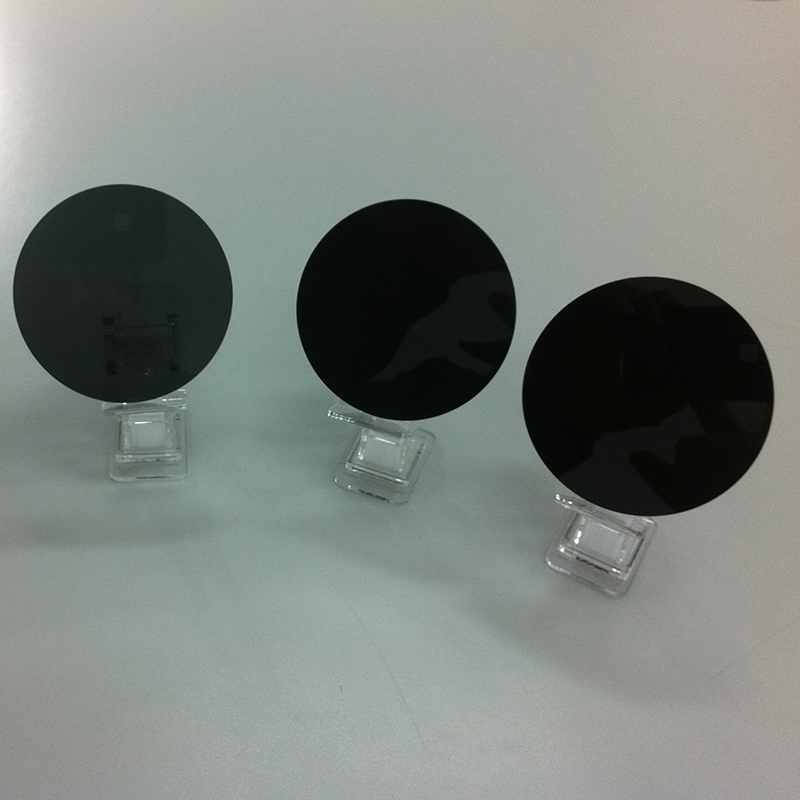
The main characteristic of the glass in this section is that the pass rate is not very different in the 400 nm-700 nm band;
-
 glass NS02
Optical Material
Gggxbl
glass NS02
Optical Material
Gggxbl
Guoguang: Material Data; Schott; Hoya; Russia; Other
The main characteristic of the glass in this section is that the pass rate is not very different in the 400 nm-700 nm band;
-
 glass NS2
Optical Material
Gggxbl
glass NS2
Optical Material
Gggxbl
Guoguang: Material Data; Schott; Hoya; Russia; Other
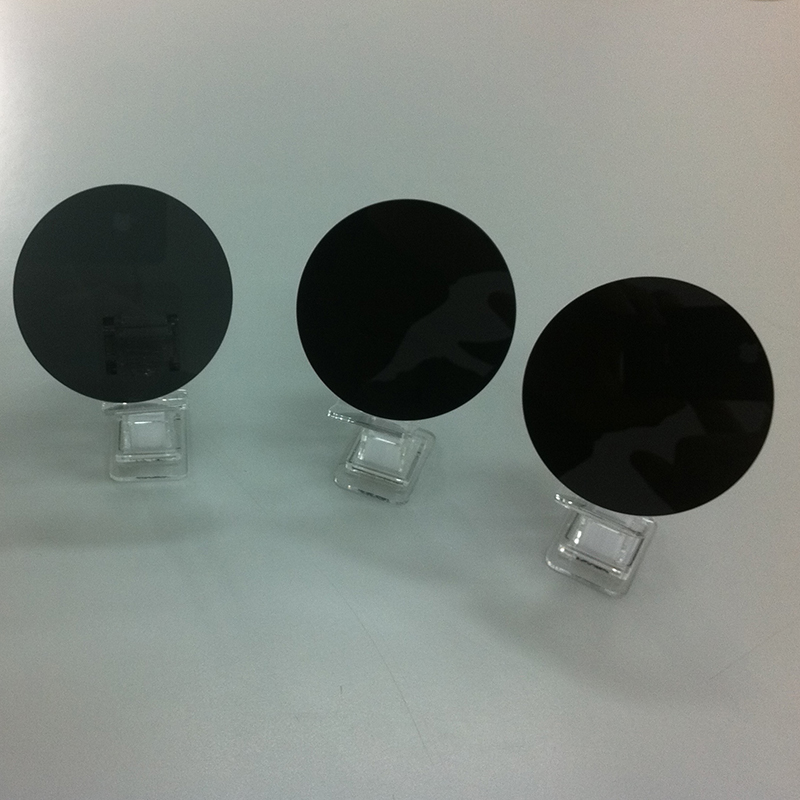
The main characteristic of the glass in this section is that the pass rate is not very different in the 400 nm-700 nm band;
-
 glass NS5
Optical Material
Gggxbl
glass NS5
Optical Material
Gggxbl
Guoguang: Material Data; Schott; Hoya; Russia; Other
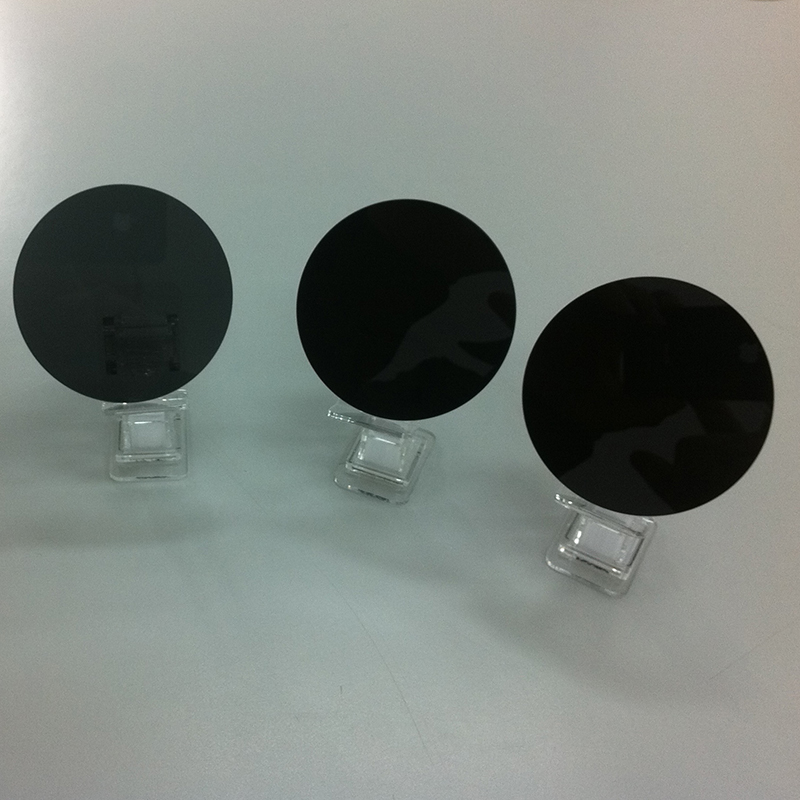
The main characteristic of the glass in this section is that the pass rate is not very different in the 400 nm-700 nm band;
-
 glass / glass
Optical Material
Smart-crystal
glass / glass
Optical Material
Smart-crystal
Crystal Ji (Shanghai) Optical Instrument Equipment Ltd.
Related Articles
Semiconductor laser diodes are essential light sources for industrial sensing, LiDAR and laser printing. Many engineers waste time picking mismatched models. We summarize 4 simple selection standards, plus a mature industrial product: HGLD-790TO5.6-ZSP-10mW from HAUCORE.
The accelerated construction of new‑generation power systems has brought revolutionary upgrades to power‑equipment maintenance workflows.
Raybowlaser, a professional manufacturer of high-power laser chips, has officially launched its upgraded new-generation 1470nm high-performance laser chip. Achieving groundbreaking progress in rated output power and wall-plug efficiency (WPE), this innovative laser chip delivers superior and reliable core light source solutions for medical cosmetology, industrial processing, agricultural applications and scientific research equipment.
Driven by the rapid upgrading of intelligent vehicles, optoelectronic sensing technologies represented by laser sensing and infrared thermal imaging have become core pillars for high-level autonomous driving and smart cockpit iteration. Leveraging automotive-grade optoelectronic R&D advantages, Pilot Technology Group launches the VITAL intelligent vehicle solution. By integrating high-power VCSEL laser chips and vehicle infrared night-vision thermal imagers, the system comprehensively enhances vehicle environmental perception and realizes safer, smarter and more comfortable driving experiences.
Loading...
Name
Phone
Organization
Use Case

Database Platform