
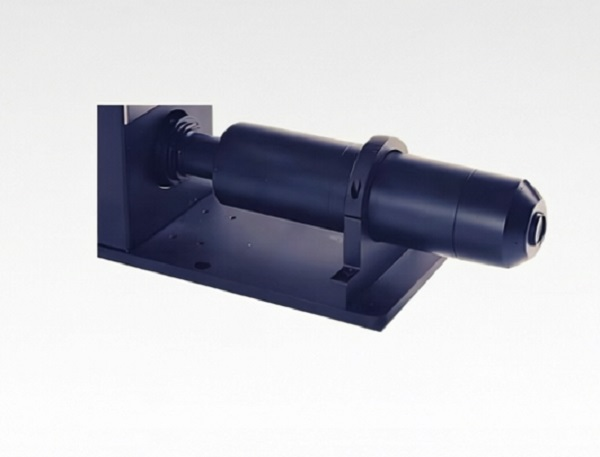
conoscope
A conoscope is a high-end optical instrument for measuring the angle-resolved luminance and chromaticity of near-eye display systems. Using an ultra-wide-angle fisheye objective (±70° field of view) with a high-precision beamsplitting system, it can acquire the luminance, chromaticity and contrast distribution data at all angles across the entire eyebox in a single shot. With the conoscope, R&D personnel can precisely evaluate the luminance uniformity, color shift characteristics and picture consistency at different viewing angles of AR/VR glasses. The device has a built-in standard color calibration database with chromaticity accuracy ΔE<0.5, and is widely used in the R&D centers and mass production inspection lines of leading headset brands.
 Save to Favorites
Overview
Applications
Datasheet
Please provide your email to download the datasheet.
Invalid email format. Please try again.
Supplier Information
Related Products
-
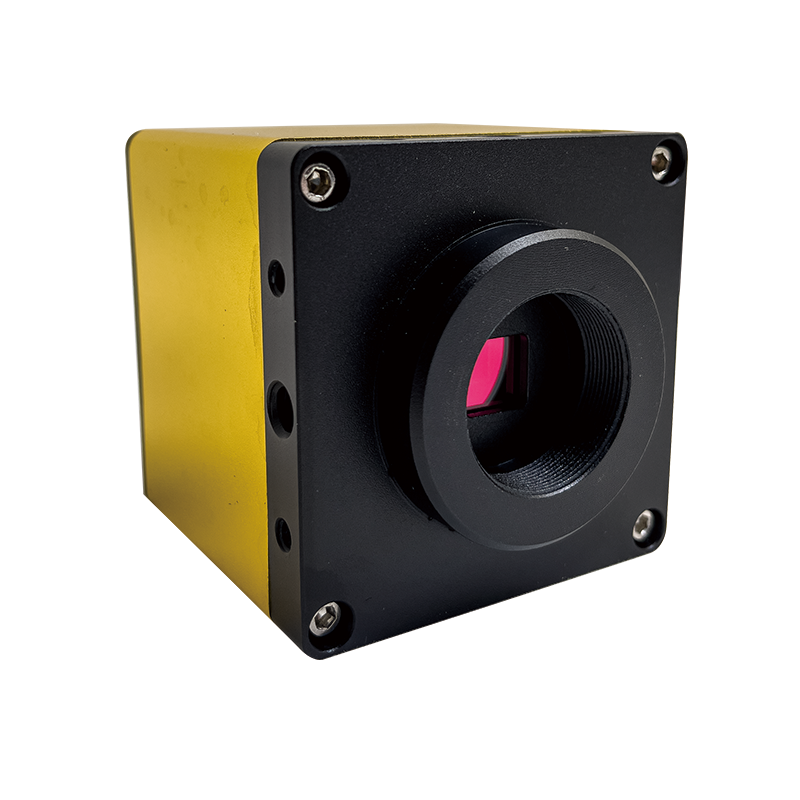 HS-3500M microscope Camera
Microscope Accessories
Sunsightimage
HS-3500M microscope Camera
Microscope Accessories
Sunsightimage
Optical Dimensions: 1/3
-
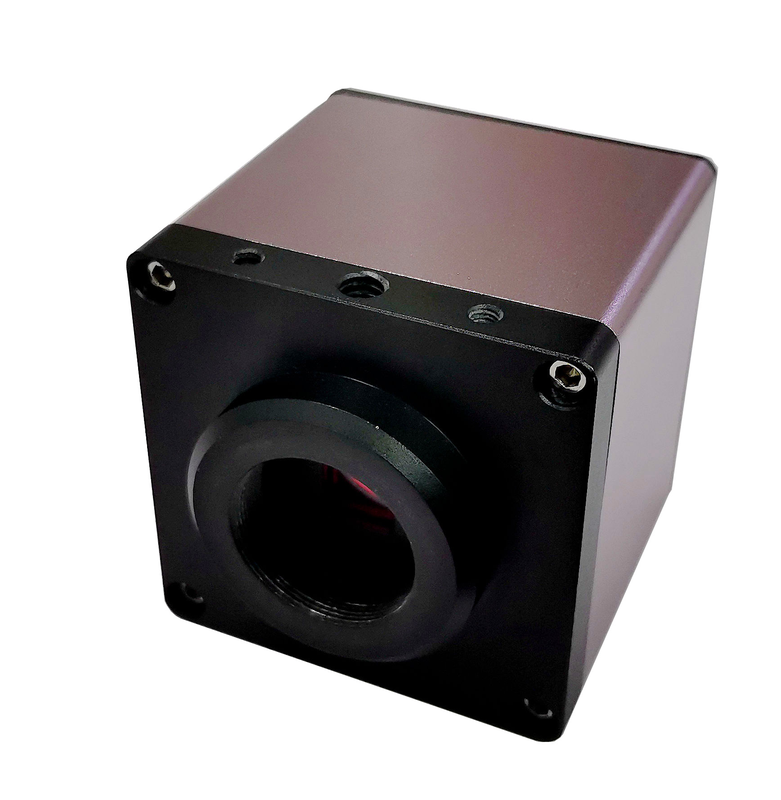 HS3500 microscope Camera
Microscope Accessories
Sunsightimage
HS3500 microscope Camera
Microscope Accessories
Sunsightimage
-
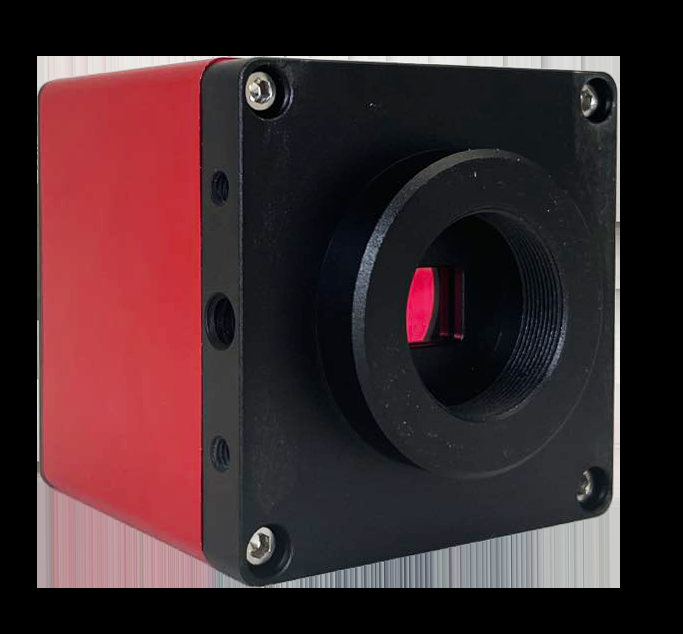 Smart-100SE microscope Camera
Microscope Accessories
Sunsightimage
Smart-100SE microscope Camera
Microscope Accessories
Sunsightimage
Optical Dimensions: 1/1.2"
-
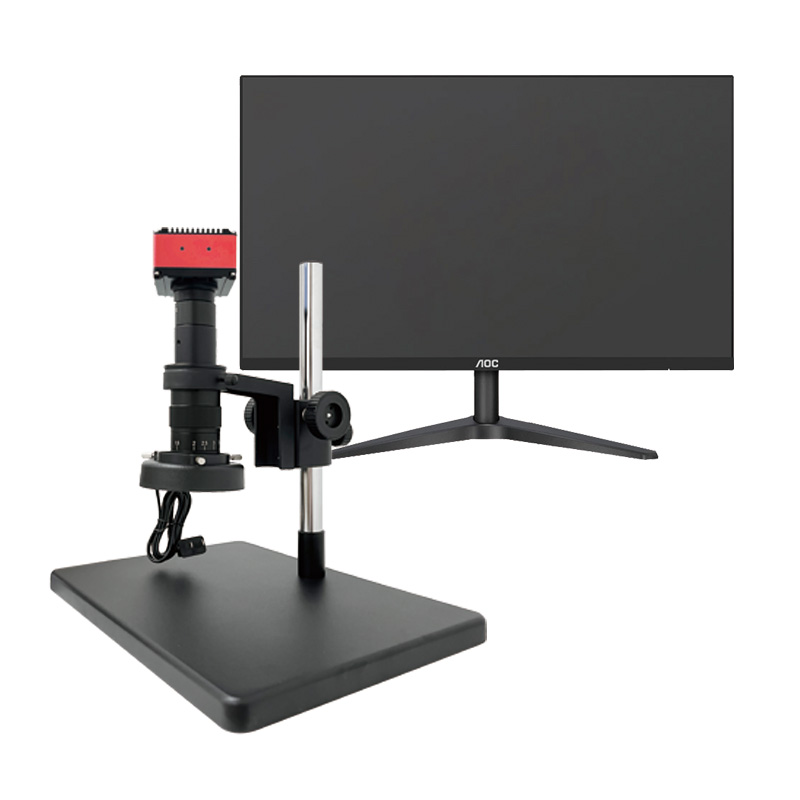 Smart-4k-80 high-definition microscope Camera
Microscope Accessories
Sunsightimage
Smart-4k-80 high-definition microscope Camera
Microscope Accessories
Sunsightimage
-
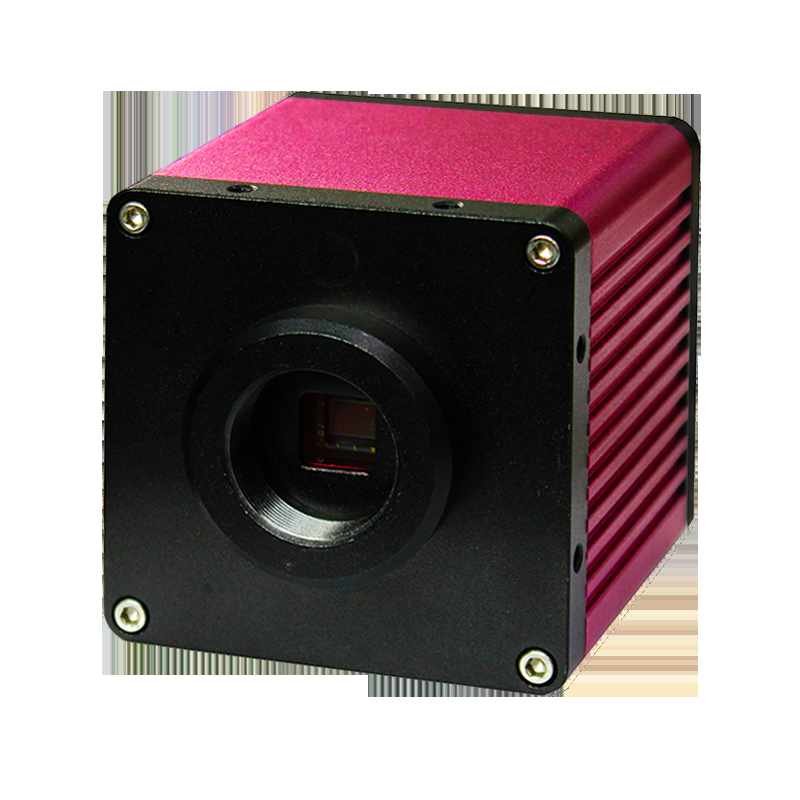 Smart-6500M microscope Camera
Microscope Accessories
Sunsightimage
Smart-6500M microscope Camera
Microscope Accessories
Sunsightimage
Related Articles
A solid-state laser is one of the most common and reliable laser types used in modern industry, medical equipment, and scientific research. Unlike gas or fiber lasers, it uses solid materials as its gain medium to generate stable, high-brightness laser beams. Thanks to its high precision, long lifespan, and compact structure, solid-state lasers have become a mainstream solution for high-precision laser processing and optical systems.
A spatial modulator, most commonly known as a Spatial Light Modulator (SLM), is a core programmable optical device widely used in modern photonics, imaging, and laser systems. It enables precise, dynamic control of light beams, making it indispensable for advanced optical technology and industrial optical equipment.
GYOPTICS 30 W collimated isolator is a highly‑reliable passive optical component optimized for 1064 nm high‑power laser systems. Characterized by low insertion loss and superior backward‑light suppression capability, it effectively blocks reflected light traveling back toward the laser resonator, eliminating back‑reflection‑induced instability and protecting fiber or solid‑state laser sources during long‑term operation.
Electro-optic deflectors (EODs) are optical devices used to steer or deflect light beams by applying an electric field to a specialized optical crystal. Unlike mechanical beam steering systems that rely on moving mirrors, electro-optic deflectors enable high-speed, non-mechanical beam control with exceptional precision and responsiveness. They are widely used in laser scanning, optical communications, microscopy, laser printing, spectroscopy, and scientific research, where rapid and accurate laser beam positioning is essential.
Loading...
Name
Phone
Organization
Use Case

Database Platform