What Is a Capacitance Manometer? Working Principle & Key Applications of MKS 626 Baratron
Published: 2026-08-05 15:38:36 Views: 138
1. Why Choose Capacitance Manometers
For semiconductor, coating and laboratory vacuum chambers, thermal conductivity gauges suffer large measurement errors caused by gas type and ambient temperature. Ion gauges only work for ultra-high vacuum, with fragile filaments and high maintenance costs.
Capacitance manometers (capacitive diaphragm gauges) detect pressure through mechanical deformation of a metal diaphragm capacitor. They deliver consistent accuracy independent of gas composition, with no consumable filaments, supporting long-term continuous monitoring of medium and low vacuum, serving as the standard pressure measurement core for vacuum processes.
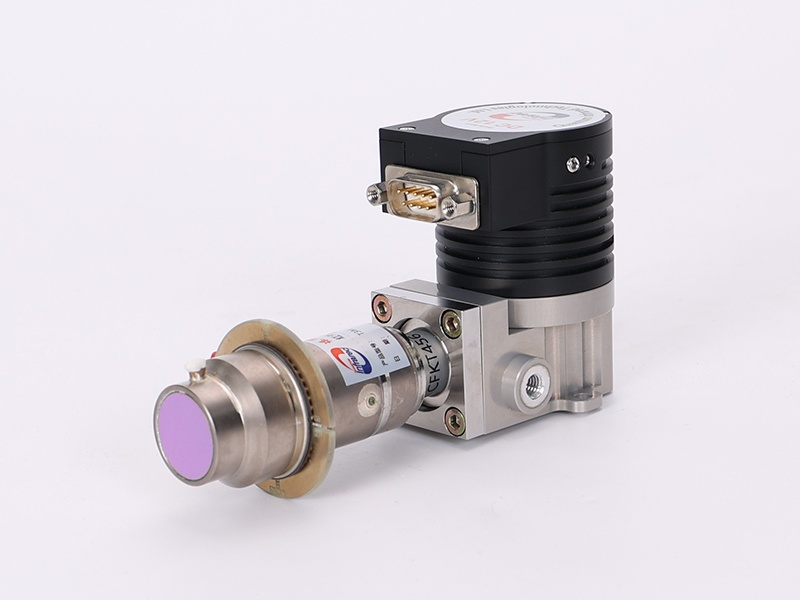
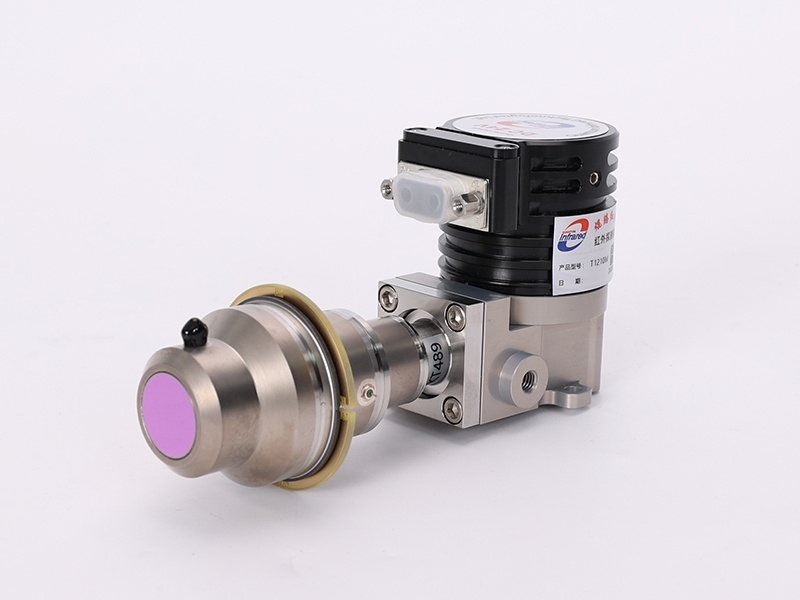
The MKS 626 Baratron is an industry benchmark capacitive pressure transducer with integrated monolithic housing, standard analog signal output and built-in zero adjustment knob. It enables high-precision real-time pressure acquisition for semiconductor, optical coating and laboratory vacuum equipment.
2. Working Principle of Capacitance Manometers
The MKS 626 Baratron is a diaphragm-capacitance vacuum manometer, with a parallel-plate capacitor composed of flexible metal diaphragm and fixed electrode as the core sensing unit:
- Pressure-induced deformation: Process pressure acts on both sides of the metal diaphragm. Pressure difference causes tiny deflection of the diaphragm, altering the gap between diaphragm and fixed electrode;
- Capacitance variation conversion: Parallel plate capacitance is inversely proportional to plate gap. Greater pressure leads to larger diaphragm offset and more significant capacitance change;
- Demodulation & signal amplification: Internal dedicated demodulation circuit captures tiny capacitance variations and linearly converts them into standard analog voltage output signals;
- Zero offset compensation: A top-mounted Zero adjustment knob allows on-site zero calibration under atmospheric or vacuum conditions, eliminating baseline drift from temperature and mechanical assembly for long-term stable readings.
The transducer operates on 7–15 VDC power supply and outputs standard pressure signals compatible with industrial DAQ cards and vacuum controllers.
3. Core Product Highlights of MKS 626 Baratron
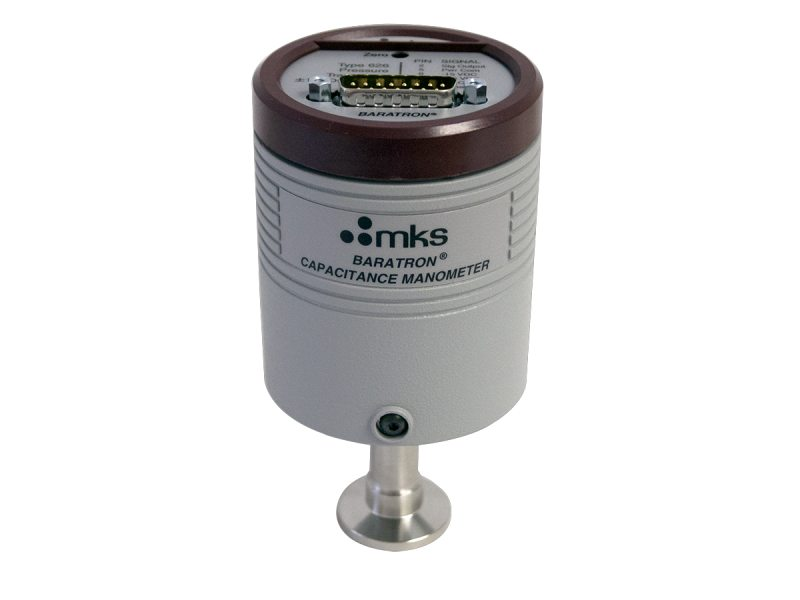
- Gas-independent measurement: Readings rely solely on diaphragm mechanical deflection, no compensation error for nitrogen, argon or special process gases, universal for multiple processes;
- Compact all-in-one housing: Standard vertical cylindrical form factor with standardized mounting dimensions, threaded port compatible with universal vacuum flanges for easy equipment integration;
- External zero adjustment knob: Zero calibration accessible on top of unit without disassembly, drastically simplifying on-site maintenance;
- Standard industrial electrical connector: 15-pin signal socket supporting wide 7–15 VDC input, linear analog output directly compatible with vacuum controllers and PC data acquisition systems;
- Maintenance-free sensing design: No filaments, radioactive sources or aging consumables, supporting 24/7 continuous operation with ultra-low long-term service cost;
- Full medium & low vacuum coverage: Bridges the measurement gap between thermal conductivity gauges and ion gauges for wide vacuum range;
- Robust industrial enclosure: Dust-proof and resistant to mild process corrosion, ideal for harsh production environments like semiconductor etching and optical coating.
4. Key Product Applications
- Semiconductor Manufacturing: Closed-loop vacuum pressure monitoring for etching, thin-film deposition and ion implantation chambers;
- Optical Coating Industry: Real-time vacuum control for lens, optical filter and laser cavity thin-film evaporation equipment;
- Academic Research Vacuum Labs: Precise pressure measurement for vacuum chambers, optical interference platforms and cryogenic vacuum setups;
- Industrial Vacuum Equipment: Pressure monitoring for vacuum sintering, vacuum brazing and vacuum leak detection machines;
- Precision Metrology Tools: Reference gauge for vacuum calibration benches and vacuum pressure standard instruments;
- Aerospace & Advanced Material R&D: Simulated space vacuum chambers and vacuum degassing systems for composite materials.