
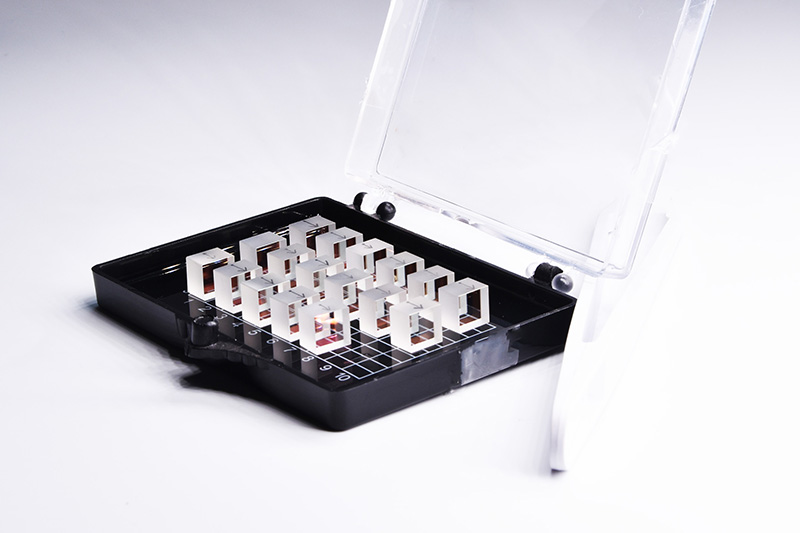
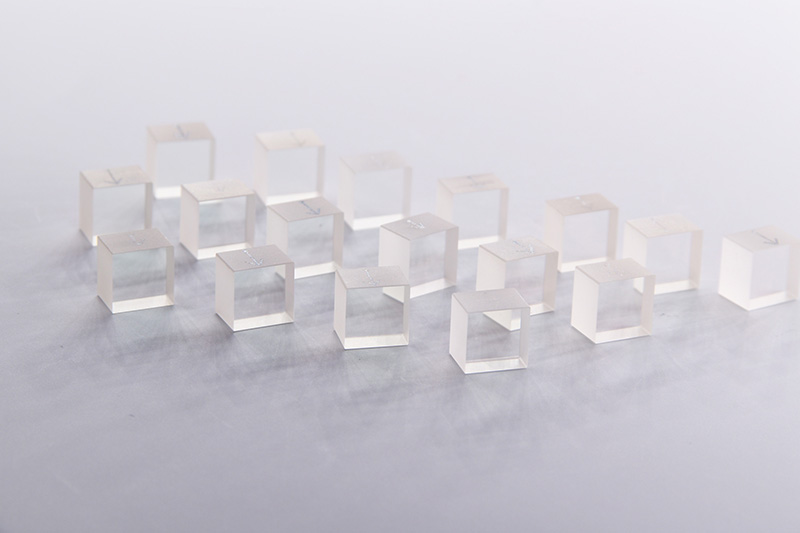
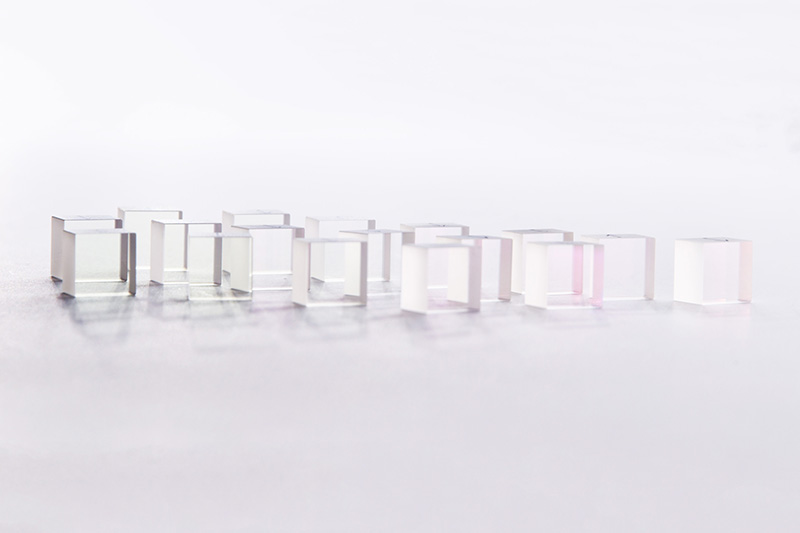
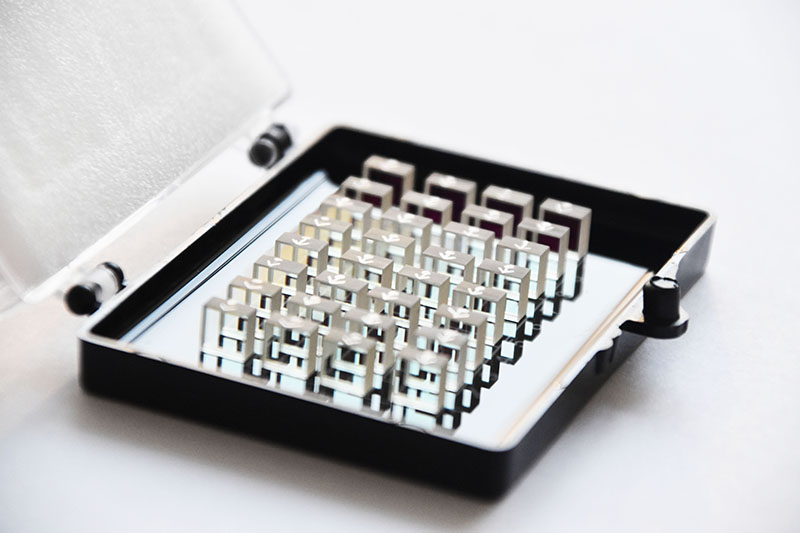
KTP Crystal
Potassium Titanyl Phosphate (KTiOPO4 or KTP) KTP is the most commonly used material for frequency doubling of Nd:YAG and other Nd-doped lasers, particularly when the power density is at a low or medium level. To date, extra and intra-cavity frequency doubled Nd:lasers using KTP have become a preferred pumping source for visible dye lasers and tunable Ti:Sapphire lasers as well as their amplifiers. They are also useful green sources for many research and industry applications. KTP is also being used for intracavity mixing of 0.81µm diode and 1.064µm Nd:YAG laser to generate blue light and intracavity SHG of Nd:YAG or Nd:YAP lasers at 1.3µm to produce red light. In addition to unique NLO features, KTP also has promising E-O and dielectric properties that are comparable to LiNbO3. These advantaged properties make KTP extremely useful to various E-O devices. KTP is expected to replace LiNbO3 crystal in the considerable volume application of E-O modulators, when other merits of KTP are combined into account, such as high damage threshold, wide optical bandwidth (>15GHZ), thermal and mechanical stability, and low loss, etc.
 Save to Favorites
Overview
Specifications
| Parameter | Value |
|---|---|
| Crystal structure | Orthorhombic |
| Melting point | 1172°C |
| Curie Point | 936°C |
| Lattice parameters | a=6.404Å, b=10.615Å, c=12.814Å, Z=8 |
| Temperature of decomposition | ~1150°C |
| Transition temperature | 936°C |
| Mohs hardness | »5 |
| Density | 2.945 g/cm³ |
| Color | colorless |
| Hygroscopic Susceptibility | No |
| Specific heat | 0.1737 cal/g.°C |
| Thermal conductivity | 0.13 W/cm/°C |
| Electrical conductivity [c-axis;22°C;1KHz] | 3.5×10⁻⁸ s/cm (c-axis, 22°C, 1KHz) |
| Thermal expansion coefficients | a₁ = 11 x 10⁻⁶ °C⁻¹ a₂ = 9 x 10⁻⁶ °C⁻¹ a₃= 0.6 x 10⁻⁶ °C⁻¹ |
| Thermal conductivity coefficients | k₁ = 2.0 x 10⁻² W/cm °C k₂ = 3.0 x 10⁻² W/cm °C k₃ = 3.3 x 10⁻² W/cm °C |
| Transmitting range | 350nm ~ 4500nm |
| Phase Matching Range | 984nm ~ 3400nm |
| Absorption coefficients [1064nm and 532nm] | a < 1%/cm @1064nm and 532nm |
| Phase matching range | 497nm – 3300 nm |
| Nonlinear coefficients [@10-64nm;at 1.064 mm] | d₃₁=2.54pm/V, d₃₁=4.35pm/V, d₃₁=16.9pm/V d₂₄=3.64pm/V, d₁₅=1.91pm/V at 1.064 mm |
| Effective nonlinear optical coefficients | dₑff(II)≈ (d₂₄ – d₁₅)sin²qsin²j – (d₁₅sin²j + d₂₄cos²j)sinq |
| Phase matching angle [Type II SHG of 1064nm Laser] | q=90°, f=23.2° |
| Effective nonlinear optical coefficients [Type II SHG of 1064nm Laser] | dₑff » 8.3 x d₃₆(KDP) |
| Angular acceptance [Type II SHG of 1064nm Laser] | D_θ= 75 mrad D_φ= 18 mrad |
| Temperature acceptance [Type II SHG of 1064nm Laser] | 25°C.cm |
| Spectral acceptance [Type II SHG of 1064nm Laser] | 5.6 Åcm |
| Walk-off angle [Type II SHG of 1064nm Laser] | 1 mrad |
| Optical damage threshold [Type II SHG of 1064nm Laser] | 1.5-2.0MW/cm² |
Applications
Key Features
Datasheet
Supplier Information
Related Products
-
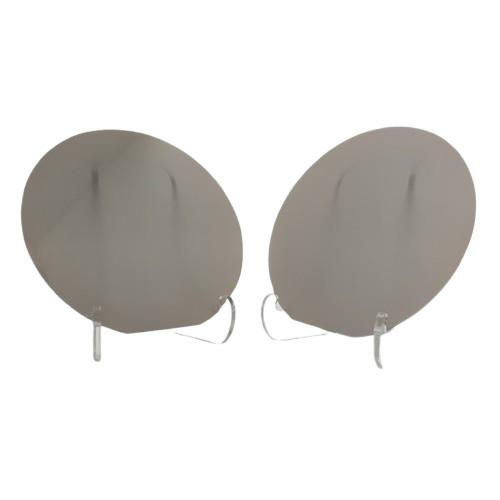 Lithium Tantalate Wafer LT
Optical Crystals
Jmwafer
Diameter [Lithium Tantalate Single-Crystal Substrate LiTaO3/LT (2~6 Inches)]: 2 inch - 50.8mm Diameter [Lithium Tantalate Single-Crystal Substrate LiTaO3/LT (2~6 Inches)]: 3 inch - 76.2mm Diameter [Lithium Tantalate Single-Crystal Substrate LiTaO3/LT (2~6 Inches)]: 4 inch - 100mm
LiTaO₃ Usually Colorless/Pale Yellow,Trigonal Distorted-Perovskite Structure,Excellent Electro-Optic,Piezoelectric/Pyroelectric Properties.
-
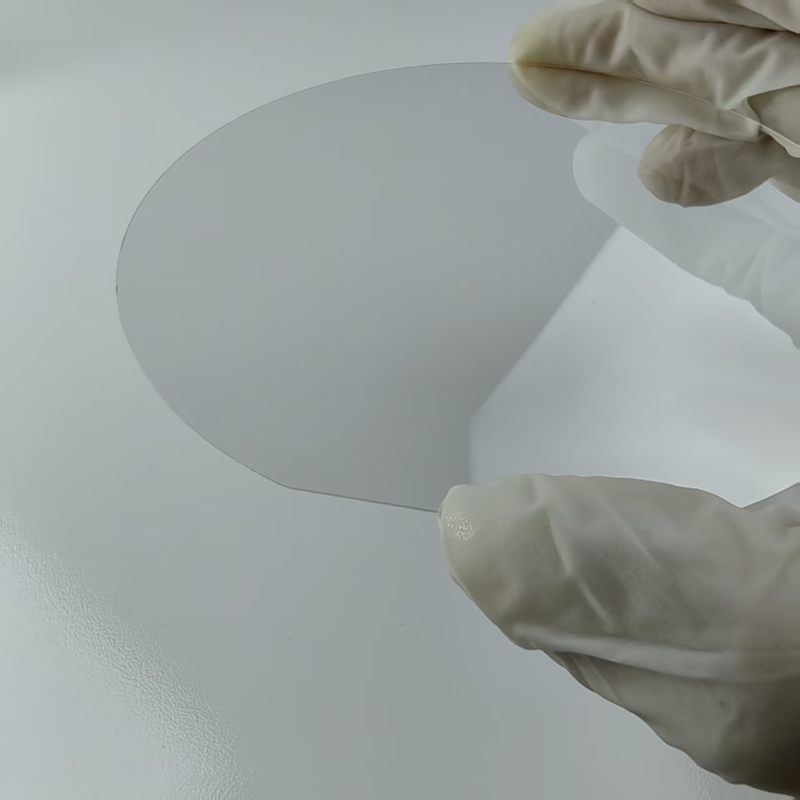 Lithium Niobate Wafer LN
Optical Crystals
Jmwafer
Diameter [Lithium Niobate Single-Crystal Substrate LiNbO3/LN (2~6 Inches)]: 2 inch - 50.8mm Diameter [Lithium Niobate Single-Crystal Substrate LiNbO3/LN (2~6 Inches)]: 3 inch - 76.2mm Diameter [Lithium Niobate Single-Crystal Substrate LiNbO3/LN (2~6 Inches)]: 4 inch - 100mm
LiNbO₃ Trigonal,Good Symmetry/Structural Stability,Piezoelectric,Ferroelectric,Photoelectric,Acousto-Optic/Nonlinear Properties,Curie up to1140℃,High Mechanical Quality/Chemical Stability.
-
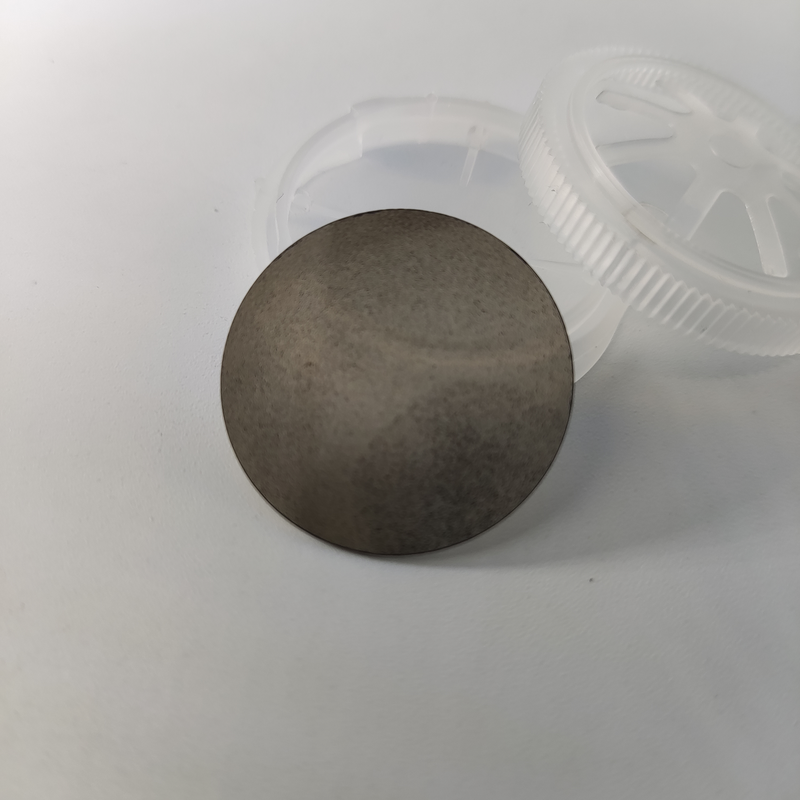 Polycrystalline Diamond
Optical Crystals
Jmwafer
Polycrystalline Diamond - Dimensions: 10 mm × 10 mm Polycrystalline Diamond - Dimensions: 1 inch - 25.4mm Polycrystalline Diamond - Dimensions: 2 inch - 50.8mm
Diamond:Tetrahedrally Packed Carbon,Extremely Hard,Excellent Thermal Conductivity/Broad Optical Transparency,Hardest Known Natural Material,Also Synthesized at High Pressure/Temperature.
-
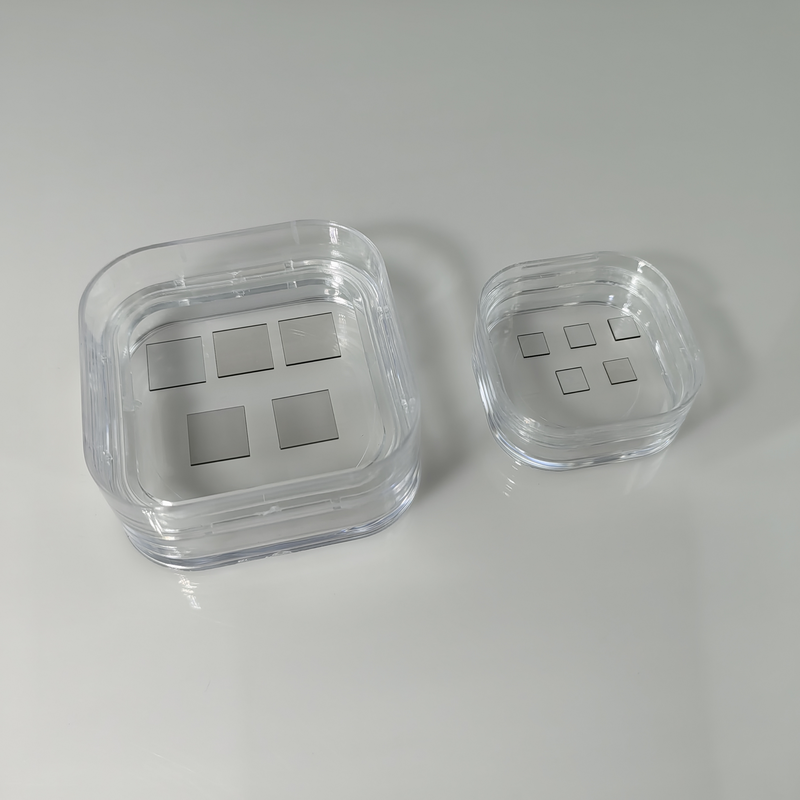 Single-Crystal Diamond
Optical Crystals
Jmwafer
Single-Crystal Diamond - Diameter: 5 mm × 5 mm Single-Crystal Diamond - Diameter: 10 mm × 10 mm Single-Crystal Diamond - Diameter: 20 mm × 20 mm
Diamond:Tetrahedrally Packed Carbon,Extremely Hard,Excellent Thermal Conductivity/Broad Optical Transparency,Hardest Known Natural Material,Also Synthesized at High Pressure/Temperature.
-
 Fluorophlogopite
Optical Crystals
Jmwafer
Fluoromica Substrate - Dimensions: 5 mm × 5 mm Fluoromica Substrate - Dimensions: 10 mm × 10 mm Fluoromica Substrate - Dimensions: 20 mm × 20 mm
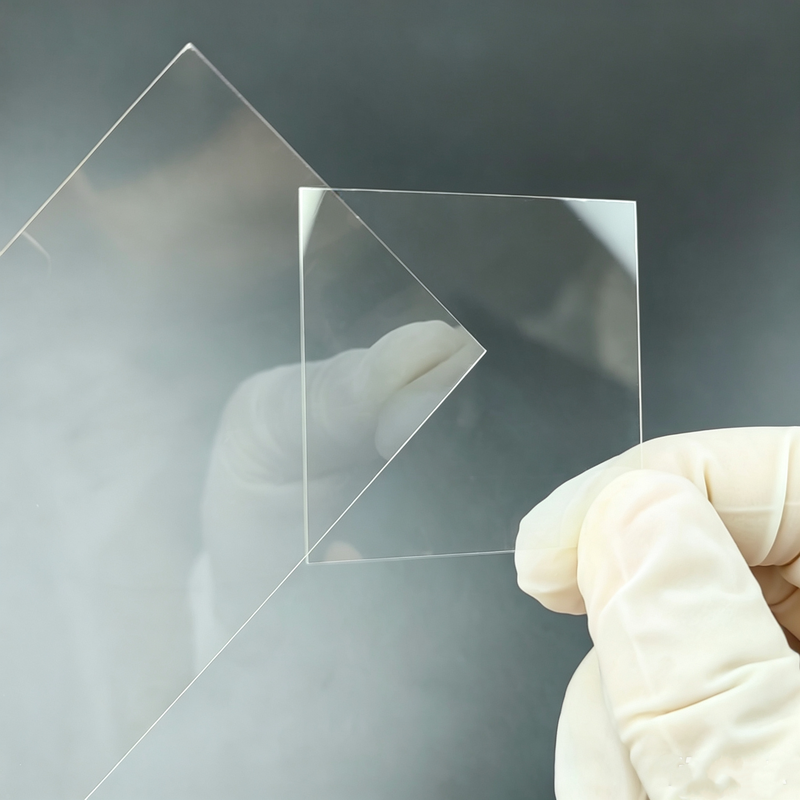
Synthetic Fluorophlogopite Mica KMg3(AlSi3O10)F2,Melts1375℃/Long-Term up to1100℃,Colorless Transparent,Strong Acid-Alkali Inert,Stable/Pure/Complete Structure/Flat Cleavage,Easily Split Thin.
Related Articles
Raybowlaser, a professional manufacturer of high-power laser chips, has officially launched its upgraded new-generation 1470nm high-performance laser chip. Achieving groundbreaking progress in rated output power and wall-plug efficiency (WPE), this innovative laser chip delivers superior and reliable core light source solutions for medical cosmetology, industrial processing, agricultural applications and scientific research equipment.
Electro-optic deflectors (EODs) are optical devices used to steer or deflect light beams by applying an electric field to a specialized optical crystal. Unlike mechanical beam steering systems that rely on moving mirrors, electro-optic deflectors enable high-speed, non-mechanical beam control with exceptional precision and responsiveness. They are widely used in laser scanning, optical communications, microscopy, laser printing, spectroscopy, and scientific research, where rapid and accurate laser beam positioning is essential.
Founded in 2004, Wuhan Union Optic Inc. is a National Specialized, Refined, Unique & Innovative "Little Giant" high-tech enterprise located in Wuhan East Lake High-Tech Development Zone.
Precise spectral screening is essential for high-precision medical detection, spectroscopic analysis and intelligent imaging systems. Tailored for visible and near-infrared spectral separation, the SP900 shortpass optical filter delivers high-efficiency light transmission and deep infrared blocking performance. It effectively eliminates stray light interference, improves signal-to-noise ratio (SNR), and serves as a core optical component for biomedical instruments, scientific analysis equipment and machine vision systems.
Loading...
Name
Phone
Organization
Use Case

Database Platform