
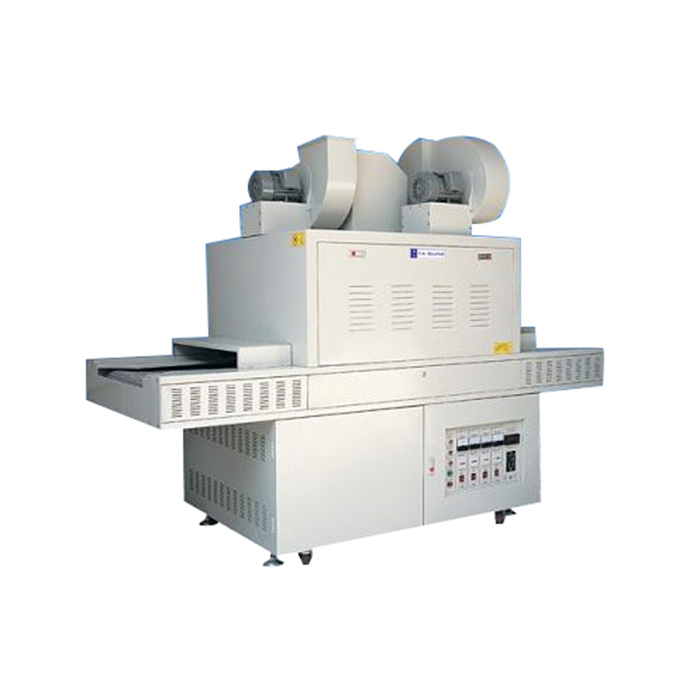
UVLED Tunnel-Oven Photocuring Machine
UV equipment is the general term for devices emitting ultraviolet light; the equipment described here is industrial. By structure: conveyor, split, inline and handheld types. By function: planar, three-dimensional, self-rotating, downward-extraction, shutter and low-temperature types. By power source: electrode and electrodeless UV. By lamp: mercury, halogen and LED UV. A UV tunnel oven is a surface-treatment machine producing usable intense UV, also called a UV curing machine, UV curing oven, Jishi Technology UV machine, UV curing chamber or UV machine. Mainly used in printing and coating, UV curing is an environmentally favorable drying method for UV inks, varnishes and resins, meeting national health/environmental organizations' objectives. Principle: Specially formulated UV coatings containing photosensitizers/initiators absorb high-temperature UV from the curing equipment, instantly generating free radicals or ionic groups and polymerizing from liquid to solid in 1s–2s. Related electrical technologies ignite the UV tube with high voltage, producing a principal emission near 360nm; irradiated coating generally cures in 1~2s. 1. Frame: Usually welded angle steel and square tubing, with stamped/bent cold-rolled steel body panels. 2. Power section: Domestic systems generally use imported lamps, averaging less than 1000h service life, after which irradiation weakens. 3. Drive section [2]: Drive rollers, belts, geared motors, gears and chains, with rollers, belts and geared motors most important. 4. Controls: Digital temperature controller, leakage-protection switch, power indicator, start/stop buttons, control-circuit fuses and dedicated UV-lamp ammeter. 5. Extraction: Usually forced air cooling, with upward or downward extraction; downward extraction is common in paper-print curing.
 Save to Favorites
Overview
Applications
Datasheet
Please provide your email to download the datasheet.
Invalid email format. Please try again.
Supplier Information
Related Products
-
 JX-510 High-Precision Ribbon Fiber Cleaver
Tools and Kits
Jxcmc
Applicable Optical fiber: Silica fiber Compatible Fiber Coating Diameter: Φ0.25、Φ0.9、Φ2.0、Φ3.0、3×2 Compatible Bare-Fiber Diameter: 125μm
-
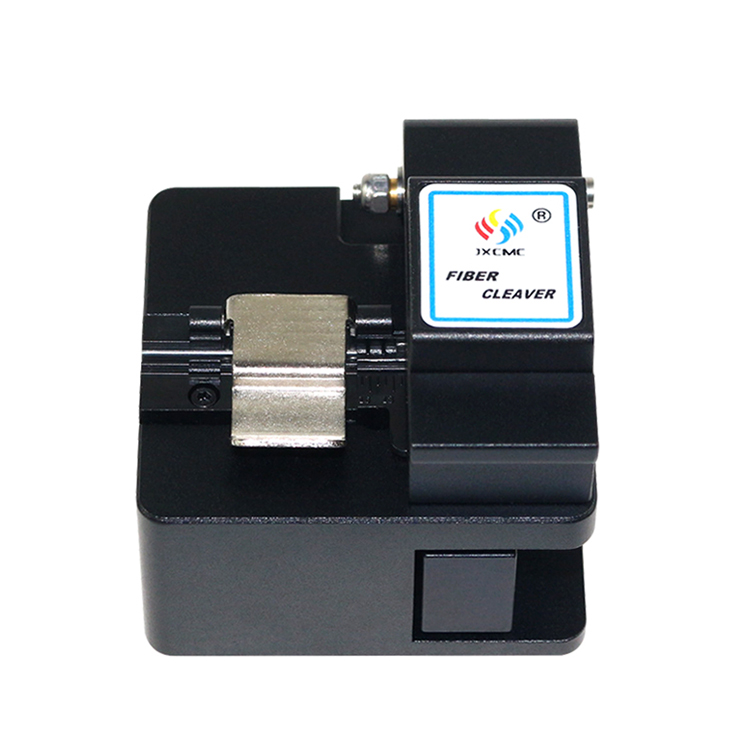 JX-520 Single-Fiber Cleaver
Tools and Kits
Jxcmc
Applicable Optical fiber: Silica fiber Compatible Fiber Coating Diameter: Φ0.25、Φ0.9、Φ2.0、Φ3.0、3×2 Compatible Bare-Fiber Diameter: 125μm
-
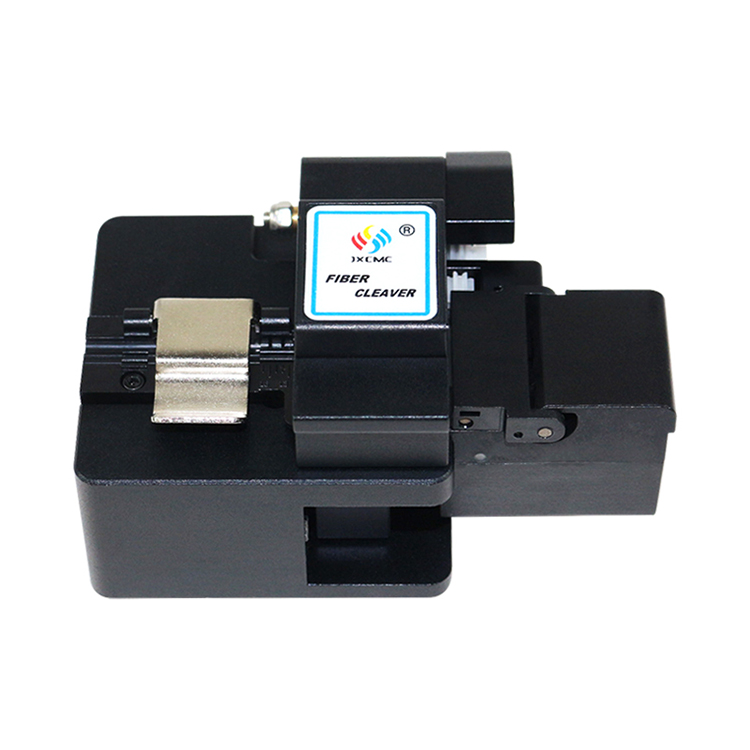 JX-521 Fiber Cleaver with Automatic Fiber Collection
Tools and Kits
Jxcmc
Applicable Optical fiber: Silica fiber Compatible Fiber Coating Diameter: Φ0.25、Φ0.9、Φ2.0、Φ3.0、3×2 Compatible Bare-Fiber Diameter: 125μm
-
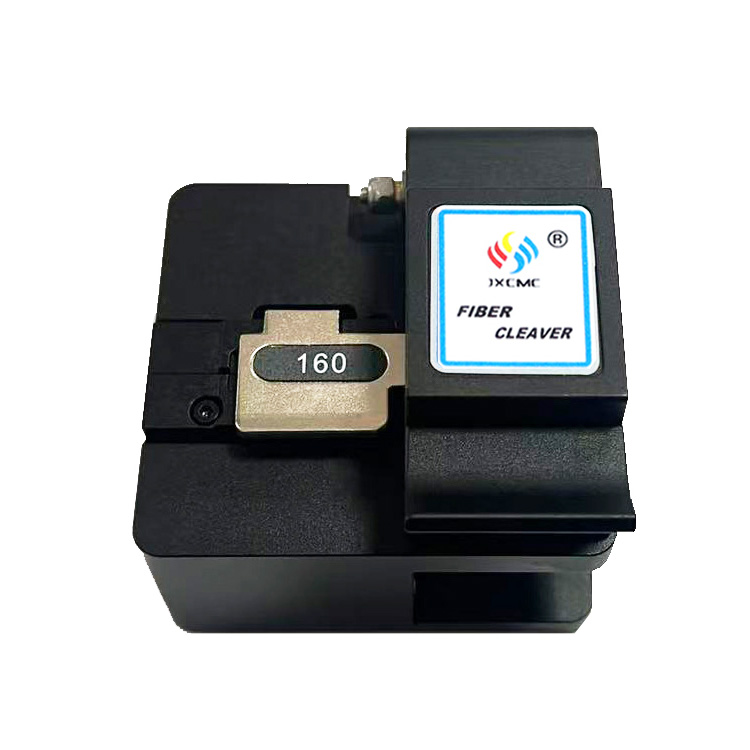 JX-528 (80um) Fiber Cleaver
Tools and Kits
Jxcmc
Compatible Fiber: Silicon fiber / Silica fiber Compatible Fiber Coating Diameter: Φ0.16mm Compatible Bare-Fiber Diameter: 80μm
-
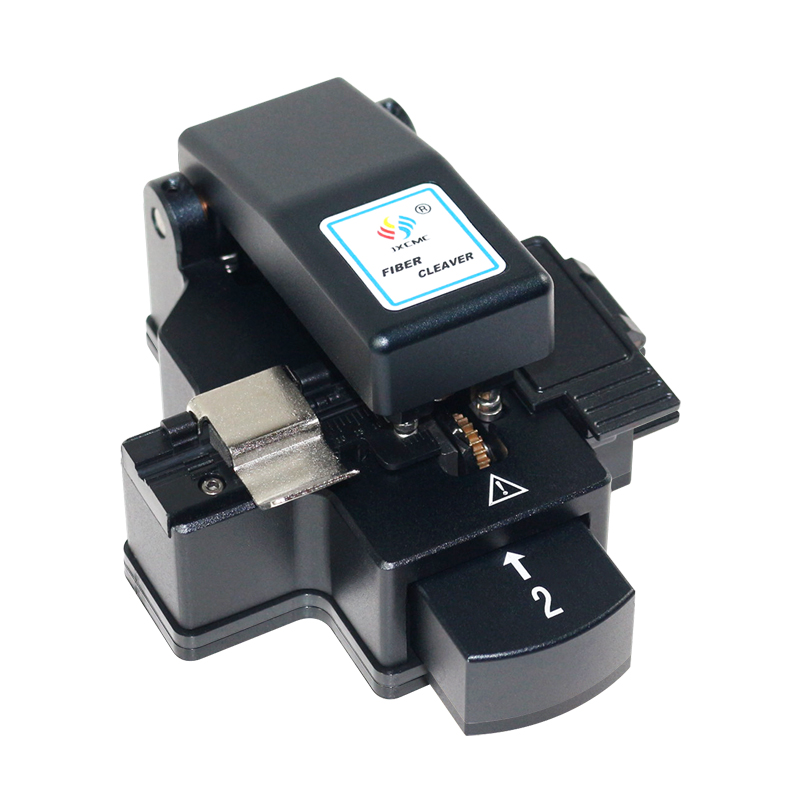 JX-550 Fiber Cleaver with Automatic Blade-Position Change
Tools and Kits
Jxcmc
Applicable Bare fiber Diameter: 125μm Applicable Optical fiber: Single-Fiber, Multifiber 2/4/8/12 Optical fiber Cutting length [Φ0.25mm]: 5~16mm
Related Articles
The 850 nm and 940 nm infrared narrow‑bandpass filters launched by Innovation Photoelectric are core optical components specially designed for day‑and‑night security cameras. They effectively eliminate image interference during visible‑light and infrared‑illumination switching, delivering stable round‑the‑clock monitoring performance.
Shandong Optochip specializes in independent R&D of industrial-grade optical chips for optical communication and fiber sensing. Our business includes overseas chip tape-out, domestic precision device packaging
BEIJING JIEPU TREND supplies YAG+Er:YAG+YAG bonded composite slab laser crystals for high‑power solid‑state laser systems. The monolithic slab consists of two undoped YAG end‑cap layers and a central Er‑doped YAG gain segment. The overall dimension is 9 mm×9 mm×9 mm.
Founded in November 2017, TIANJIN H‑CHIP TECHNOLOGY GROUP CORPORATION is a professional manufacturing‑service provider dedicated to micro‑nano optoelectronic chips. It holds multiple prestigious qualifications, including National High‑Tech Enterprise, one of Tianjin’s first Gazelle‑certified Enterprises, Specialized‑Refined‑Differentiated‑Innovative SME, and Leading Enterprise for Strategic Emerging Industries.
Loading...
Name
Phone
Organization
Use Case

Database Platform