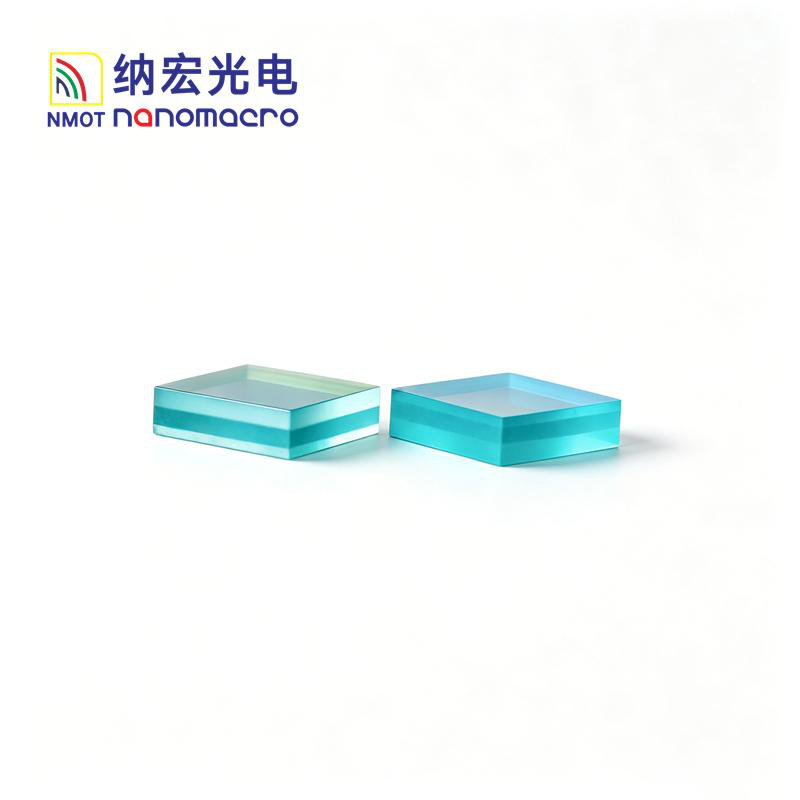
Differences Between Fluoride Crystal Glass and K9 Optical Glass
Published: 2026-08-25 16:10:29 Views: 91
Fluoride crystal glass and K9 optical glass are two core optical substrates widely used in precision optical systems, laser equipment and photoelectric scientific research. With distinct material characteristics and performance advantages, they serve differentiated application scenarios. Beijing Shouliang Technology provides a comprehensive comparison of their composition, optical performance, physical and chemical properties, processing cost and application fields to support accurate material selection for optical system design.
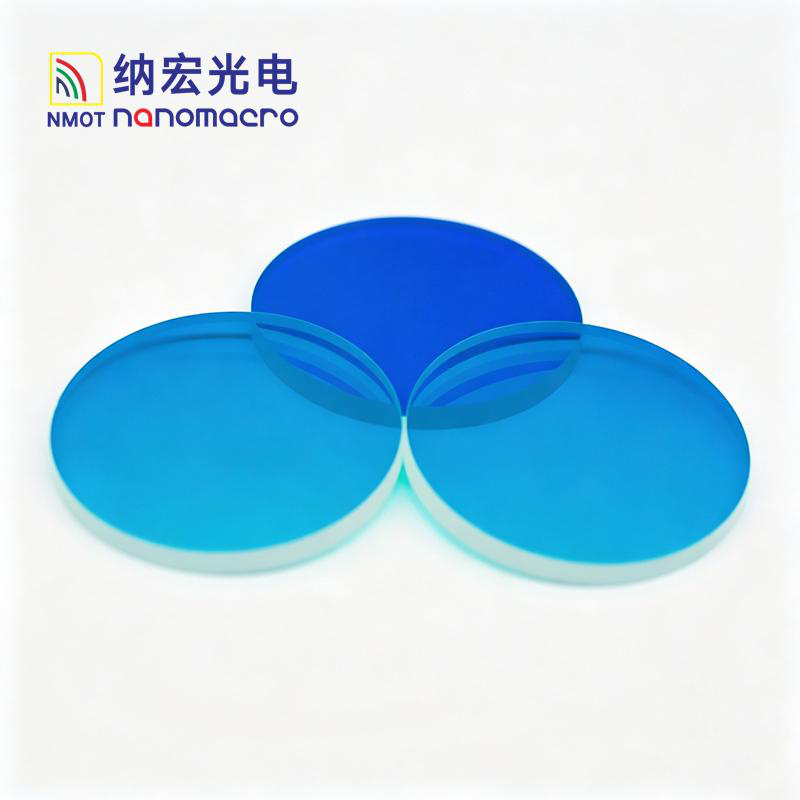
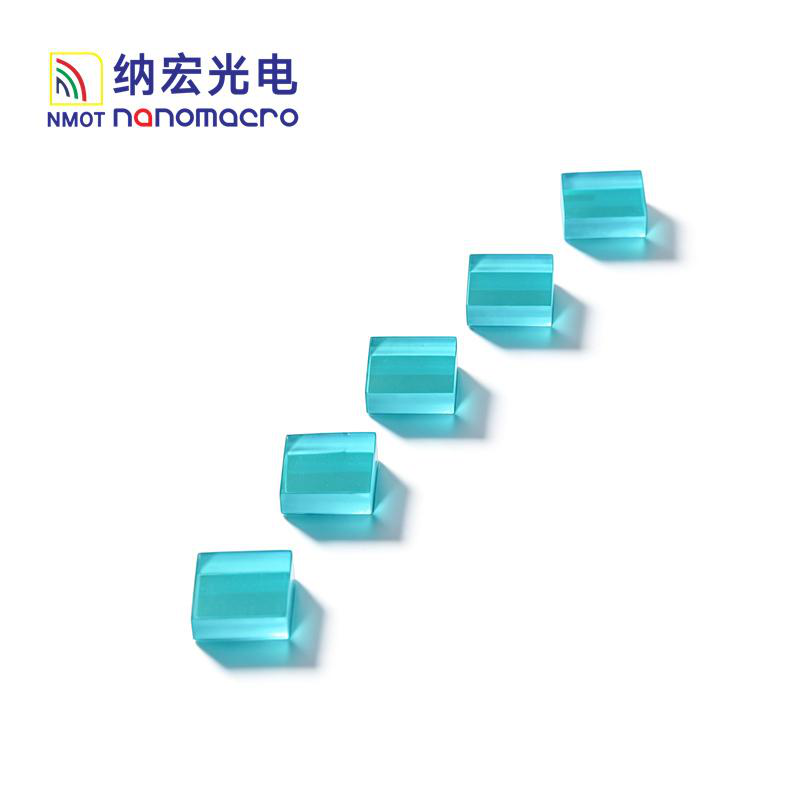
Fluoride crystal glass is dominated by high-purity fluoride substrates with regular and stable crystal microstructure. Different from traditional silicate glass, it features high internal uniformity, ultra-low impurity segregation, wide spectral transmittance and extremely low dispersion, making it ideal for high-end multi-band optical systems.
1. Material Composition and Microstructure
K9 optical glass is a mature silicate-based optical material composed of silicon dioxide, boron oxide, barium oxide, sodium oxide and potassium oxide. Manufactured via precise melting and homogenization processes, it delivers stable physical properties and excellent processing consistency, serving as the most versatile base material for industrial precision optics.
2. Optical Performance Characteristics
Fluoride crystal glass features ultra-wide spectral transmittance covering deep ultraviolet, visible and mid-infrared bands. With low refractive index, high Abbe number and ultra-low dispersion, it effectively eliminates axial and lateral chromatic aberration, greatly improving imaging accuracy of multi-band optical systems and solving spectral distortion problems in precision optical paths.
K9 optical glass offers excellent transmittance in visible and near-infrared bands with moderate refractive index and low dispersion. It ensures uniform light transmission and high color restoration accuracy. Although it cannot cover deep UV and mid-far infrared spectra, it maintains stable optical performance and low dispersion deviation, fully meeting the precision requirements of conventional industrial imaging and laser transmission systems.
3. Typical Application Fields
Benefiting from wide spectral coverage and ultra-low chromatic aberration, fluoride crystal glass is widely adopted in high-end fields such as long-distance optical fiber communication, deep ultraviolet precision optical instruments, high-precision medical detection equipment, infrared spectral analysis and advanced laser detection research.
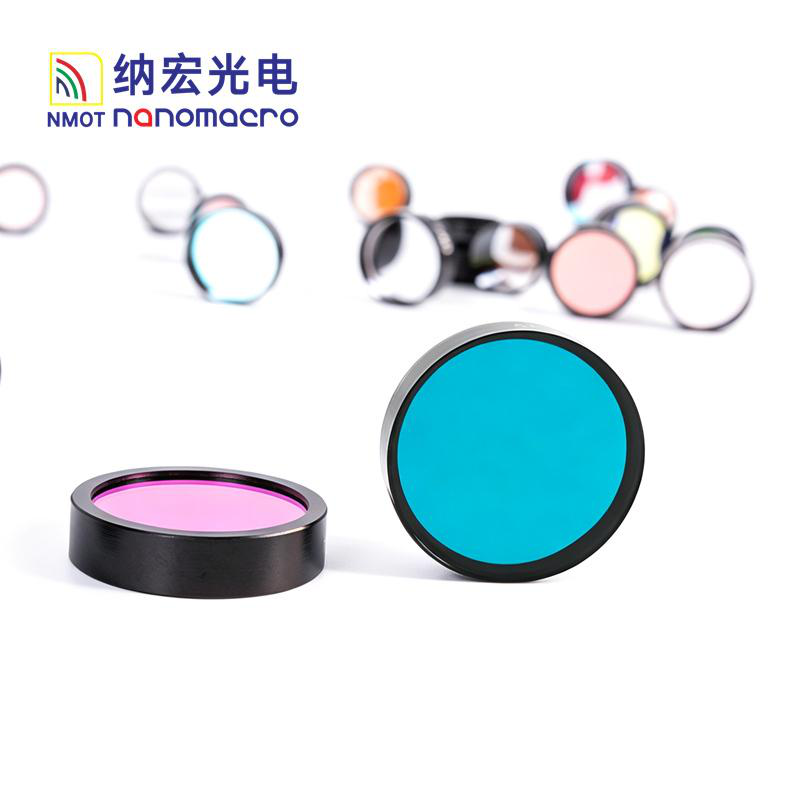
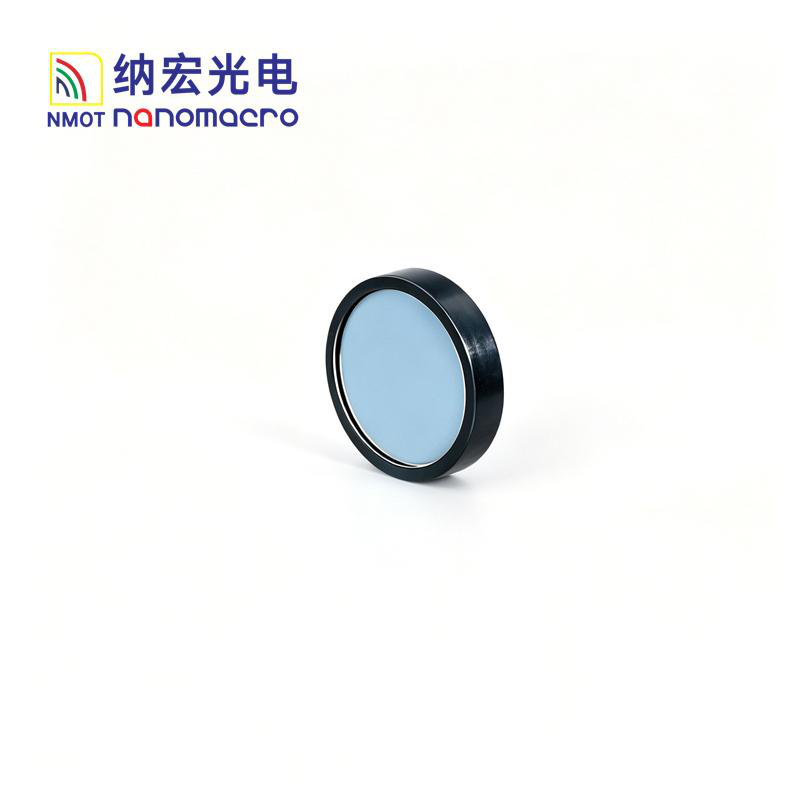
With strong versatility, K9 optical glass is mainly used for mass production of standard optical components including lenses, optical windows, prisms and filter substrates. It is extensively applied in optical photography, civil laser equipment, general scientific research, conventional medical instruments and basic communication optical components.
4. Physical and Chemical Stability
Fluoride crystal glass exhibits high hardness and excellent wear resistance. It possesses outstanding chemical corrosion resistance and extreme temperature adaptability, maintaining stable optical and physical performance under harsh working conditions.
K9 optical glass delivers balanced mechanical properties with moderate hardness and good scratch resistance. It has strong chemical inertness against conventional acid and alkali corrosion, ensuring long-term stable operation under normal temperature and conventional temperature fluctuation environments with low maintenance failure rate.
5. Processing Technology and Cost Performance
Due to complex purification processes, sophisticated crystal growth technology and low mass production yield, fluoride crystal glass has a relatively high cost, which is more suitable for high-end customized precision optical projects rather than large-scale mass production.
K9 optical glass features mature mass production processes, controllable raw material cost and low processing difficulty with high polishing and cutting yield. Its superior cost performance makes it the preferred universal substrate for large-scale industrial optical component manufacturing.