
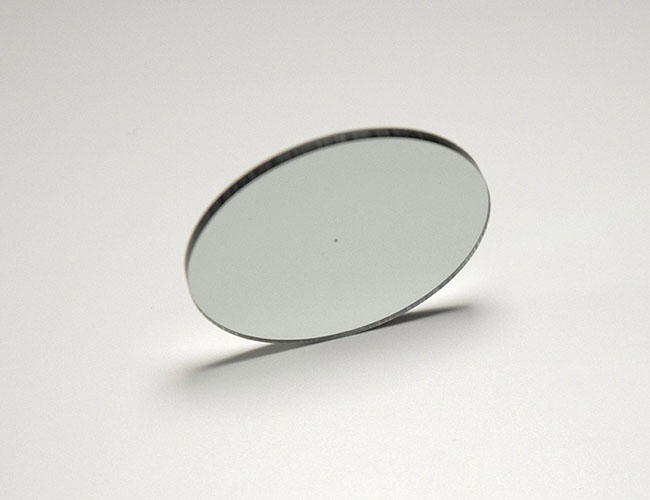
VIS Neutral Density (ND) Filters
In the visible wavelength (typically 380-750 nm), Absorptive ND filters need to be designed to ensure uniform attenuation of the light intensity across the entire wavelength while minimizing the color shift (i.e., remaining “spectrally neutral”). What are the core characteristics of VIS neutral density filters? Spectral Neutrality: ideally, ND filters have uniform transmission for all wavelengths in the visible range (actual products may have small deviations, especially at marginal wavelengths such as deep red or deep blue). Attenuation range: common optical densities (OD) are 0.1-4.0 (transmittance from 80% to 0.01%), higher ODs require multi-layer combinations or special materials. Surface quality: optical grade surface (no scratches, bubbles) What materials are commonly used for VIS neutral density filters? Germany Schott: NG series (e.g. NG4, NG9): borosilicate glass doped with iron, nickel and other metal ions, excellent spectral neutrality, high temperature resistance. Hoya ND series. Chinese materials: AB series materials. Russian materials: HC series.
 Save to Favorites
Overview
Datasheet
Please provide your email to download the datasheet.
Invalid email format. Please try again.
Supplier Information
Related Products
-
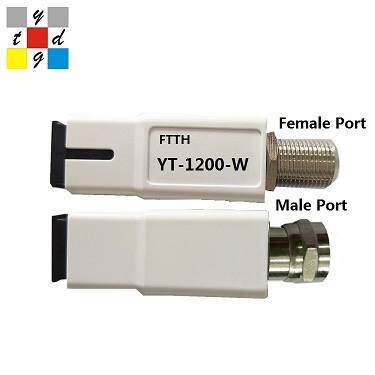 CATV FTTH Passive Optical node with Filter (1550nm)
Optical Filters
Ytdq
-
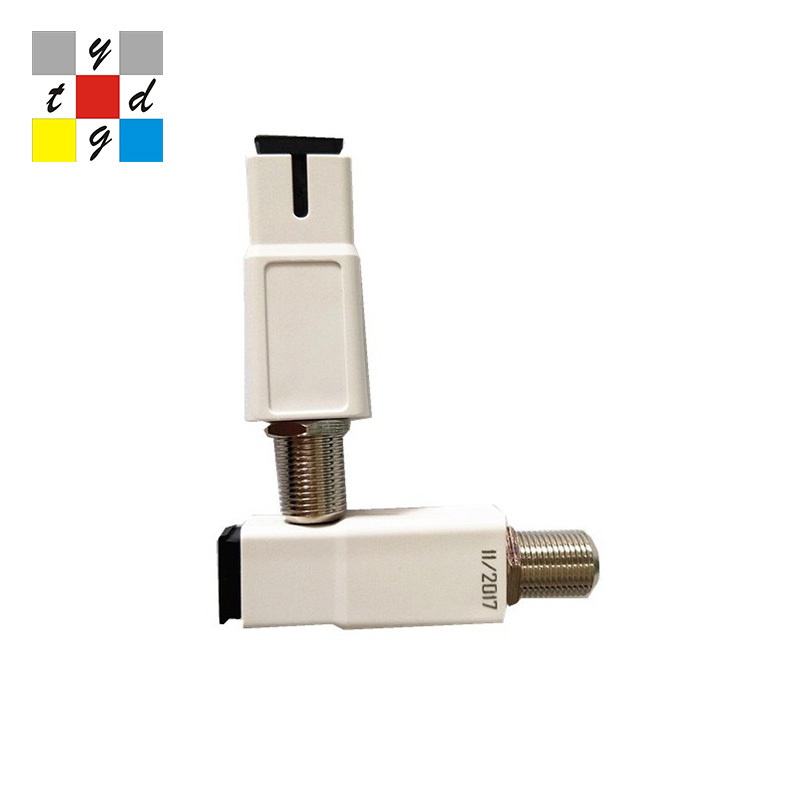 FTTH passive node with filter or without filter
Optical Filters
Ytdq
Optical parameters-Input optical power: -8~0 Optical parameters-Received light wavelength (with filter): 1550 (with filter) Optical parameters-Input optical interface: SC/APC
-
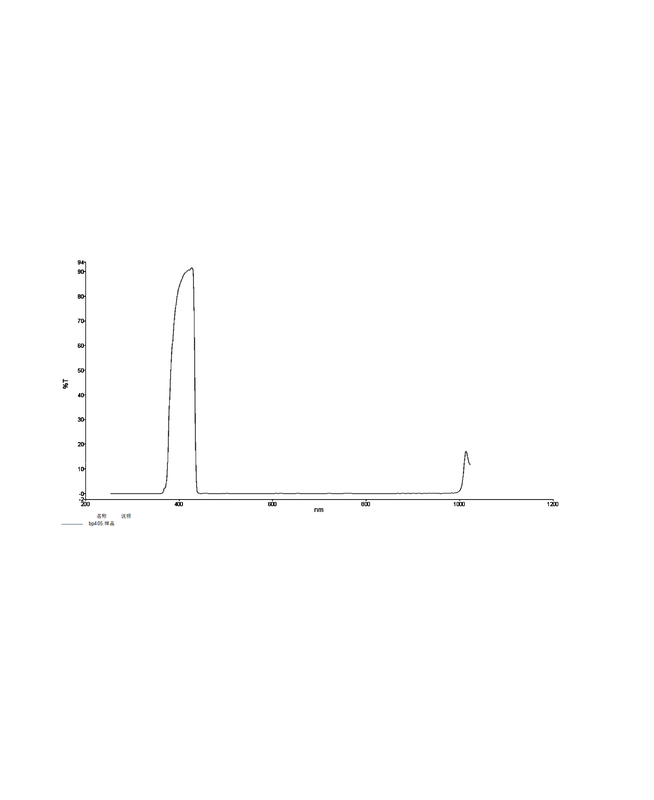 AZURE-BP405
Optical Filters
Azurephotonics
BP405 Transmission Data(Typical)-transmission [380nm]: 40.528018 % BP405 Transmission Data(Typical)-transmission [590nm]: 0.006293 % BP405 Transmission Data(Typical)-transmission [800nm]: 0.003187 %
-
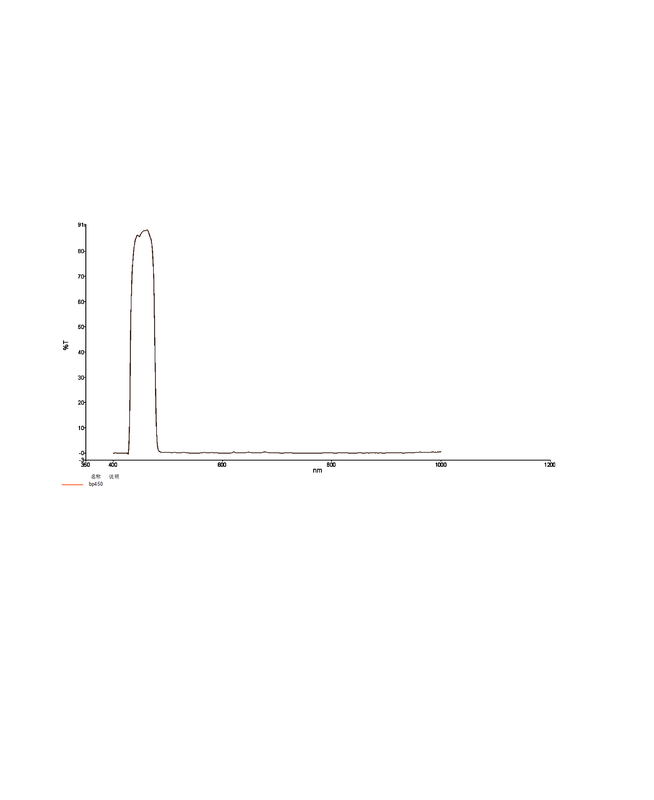 AZURE-BP450
Optical Filters
Azurephotonics
BP450 Transmission Data(Typical)-transmission [400nm]: 0.006605 % BP450 Transmission Data(Typical)-transmission [610nm]: 0.000929 % BP450 Transmission Data(Typical)-transmission [820nm]: 0.077472 %
-
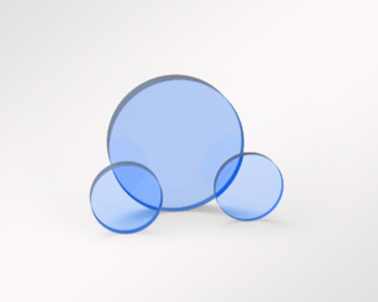 Filter film
Optical Filters
Bxoptic
Material [bandpass filters]: According to customers’ request Dimension Tolerance [bandpass filters]: ±0.01~±0.2 Chamfer [bandpass filters]: 0.5mm,45°
Related Articles
For 1D optical detection scenarios such as spectrum acquisition, dimensional measurement and optical scanning, area array CMOS/CCD suffer redundant pixels, high cost and slow row readout speed.
Developed by RealLight (Beijing), the R7M high‑power diode laser module belongs to the AW multi‑functional laser product family.
A solid-state laser is one of the most common and reliable laser types used in modern industry, medical equipment, and scientific research. Unlike gas or fiber lasers, it uses solid materials as its gain medium to generate stable, high-brightness laser beams. Thanks to its high precision, long lifespan, and compact structure, solid-state lasers have become a mainstream solution for high-precision laser processing and optical systems.
Driven by the rapid upgrading of intelligent vehicles, optoelectronic sensing technologies represented by laser sensing and infrared thermal imaging have become core pillars for high-level autonomous driving and smart cockpit iteration. Leveraging automotive-grade optoelectronic R&D advantages, Pilot Technology Group launches the VITAL intelligent vehicle solution. By integrating high-power VCSEL laser chips and vehicle infrared night-vision thermal imagers, the system comprehensively enhances vehicle environmental perception and realizes safer, smarter and more comfortable driving experiences.
Loading...
Name
Phone
Organization
Use Case

Database Platform