
Machine Vision
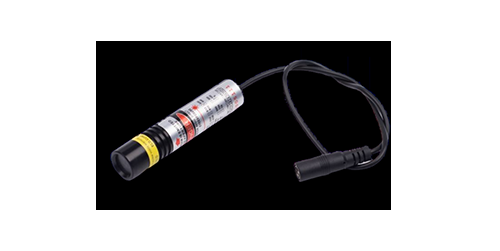
Semiconductor Machine Vision The system may have a variety of malfunctions during its work. , Resulting in system None It's normal. 。 In the face of these failures , We need to do a systematic troubleshoot. , And to identify the cause of the malfunction and repair it. 。 The Following Provides a Detailed Introduction Semiconductor Machine Vision System failure removal steps and methods 。 1. Identification of malfunctions : When? Machine Vision When the system fails , First, we have to observe and document the malfunctions. , Including specific performances 、 Timing 、 Information on frequency, etc. 。 It helps us to locate the problem faster. 。 2. Check hardware equipment : In case of malfunctioning , First, check the hardware. , Including cameras. 、 Lens 、 Lights, etc. is No Damage or bad connection , Ensure normal work of hardware equipment 。 Meanwhile... , Checking equipment for power supply and cable connection is No Normal 。 3. Check software settings : We'll have to check it out. Machine Vision Software Settings for Systems , Including procedures is No Correct. 、 Parameters is No Set reasonable limits , Make sure there's no problem with the software setup. 。 Meanwhile... , Check the system. is No Error hint or warning message exists 。 4. Test System Functions : The system function test is now underway. , Checking functions is No Normal operation 。 For example: , Test camera image capture function 、 Image Processing Functions 、 Communications, etc. , To determine the specific failure point of the system 。 5. Reasons for failure are addressed : Based on the results of the inspection and testing of the above steps , Progressive removal of possible causes of malfunction 。 For example: , If you find the camera damaged , We need to change the camera. ; If you find a software setting error , Parameters need to be readjusted ; If you find any cable connections , Reconnection is required 。 6. Confirm failure recovery. : After the breakdown , System functionality test required , Confirm the failure. is No Complete repair 。 The normal operation of the system can be validated by re-examining the same tasks. 。 If Repair Is Uncertain is No Success , Continuous observation and testing 。 It's something to be noticed. is , In the process of trouble removal , Be patient and considerate. , Progressive resolution of the problem , Avoiding over-adjustment or forced repair , More damage. 。 Besides , Recommendation is periodically agreed Semiconductor Machine Vision Systems are maintained and maintained , To prevent a malfunction. , Guarantee the stable operation of the system 。 Anyway... , Semiconductor Machine Vision System failure removal requires systematic steps and methods , Checks combining hardware and software 、 Functional testing and troubleshooting , It's a good way to solve the system's failures. , And ensure that the system works properly 。 I hope the methods described above will help you to handle them better. Semiconductor Machine Vision System failure 。
 Save to Favorites
Overview
Datasheet
Please provide your email to download the datasheet.
Invalid email format. Please try again.
Supplier Information
Related Products
-
 Intelligent Adhesive-Path Detection Sensor LQ2004
Vision Sensors
Litronics
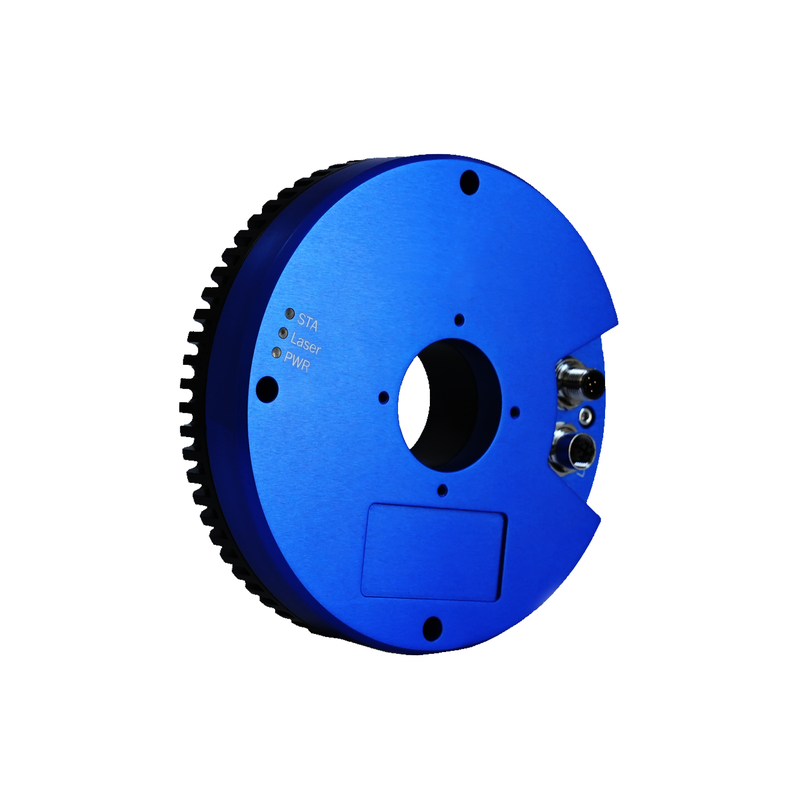
Working Distance: 40mm X-axis Testing Range: 20mm X-axis Resolution: 10μm
Adhesive dispensing and assembly quality affect production reliability and waterproofing. The Quad sensor integrates rapidly into processes without additional production-line modification. Designed for dispensing, it mounts around adhesive or sealant nozzles and communicates seamlessly with dispensing guns and robots. It measures bead height, width and volume in real time without contact, detects gaps and overflow, and estimates adhesive weight.
-
 Intelligent Adhesive-Path Detection Sensor LQ2018
Vision Sensors
Litronics
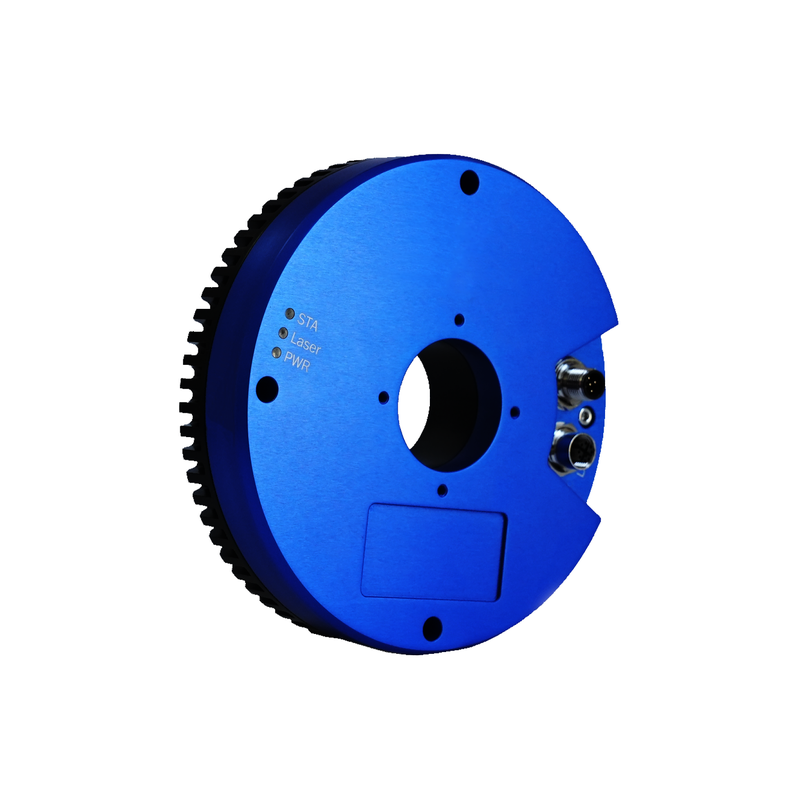
Working Distance: 180mm X-axis Testing Range: 80mm X-axis Resolution: 40μm
Adhesive dispensing and assembly quality affect production reliability and waterproofing. The Quad sensor integrates rapidly into processes without additional production-line modification. Designed for dispensing, it mounts around adhesive or sealant nozzles and communicates seamlessly with dispensing guns and robots. It measures bead height, width and volume in real time without contact, detects gaps and overflow, and estimates adhesive weight.
-
 Machine Vision
Vision Sensors
Eldlaser
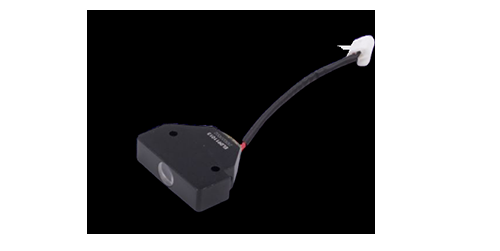
Semiconductor Machine Vision Trends in technology is It's a multidimensional one. , including technological innovation 、 Application field expansion and market demand growth 。 With artificial intelligence 、 Rapid development of emerging technologies such as big data and cloud computing , Semiconductor Machine Vision Technology is also constantly being innovative and progressive. 。 First of all , Semiconductor Machine Vision One of the trends in technology is The combination of deep learning and computer vision 。 The rise of deep learning technology Machine Vision Technology offers great opportunities. , Enables Machine Vision The system is on target. 、 Image Recognition 、 There's been a breakthrough in face recognition, and so on. 。 As the technology of in-depth learning matures and applies , Semiconductor Machine Vision Technology performance and efficiency will be further enhanced 。 Second , Semiconductor Machine Vision Trends in technology also include the development of smart sensors and embedded systems 。 As sensor technology progresses and costs decrease , Smart sensors are in. Machine Vision The system is becoming more and more widely used. 。 Meanwhile... , The embedded system is also improving its performance. , Enables Machine Vision The system can operate faster and more efficiently. 。 And... , Semiconductor Machine Vision Technology will also be integrated into a multi-modular pattern. 、 Moving forward on automation and intellectual development 。 As multisensor data merge and multimodular information processing technologies mature , Machine Vision The system can better address complex environments and identify more types of objectives 。 Meanwhile... , Automation and intelligence is The future. Semiconductor Machine Vision Significant trends in technology , Through automated technology and smart algorithms , Enables Machine Vision The system can be more intelligent in its decision-making and mandate implementation 。 Finally. , Semiconductor Machine Vision Trends in technology will also be influenced by market demand 。 As the industries are right Machine Vision Continuous demand for and application of technology , Semiconductor Machine Vision The market for technology will also grow. 。 Especially. is In smart manufacturing. 、 Smart traffic 、 Intelligent security, etc. , Semiconductor Machine Vision Technology will play an increasingly important role. 。 Overall , Semiconductor Machine Vision Future trends in technology is The duality of STI and market demand Drive Down , It's constantly improving. 、 Outreach applications 、 Achieving intellectual development 。 Outreach through the continuous pursuit of technological innovation and applications , Semiconductor Machine Vision Technology is expected to achieve greater prospects for development and application in the future 。
-
 Machine Vision
Vision Sensors
Eldlaser
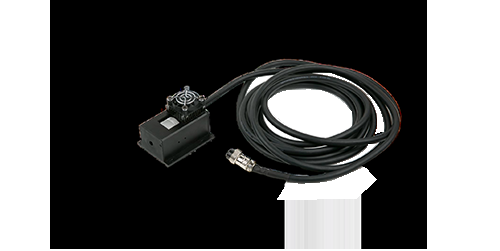
As the industrial sector develops and demands grow , Semiconductor Machine Vision The industrial applications of technology are very promising 。 Semiconductor Machine Vision Technically available High Precision 、 High Speed 、 High stability and other advantages , It's fast enough to make a product. 、 Accurate quality testing , Improving production efficiency and product quality , Reduced labour costs and deficiency rates 。 First of all , Semiconductor Machine Vision The application of technology in the industrial sphere is very broad , It's for automated assembly lines. 、 Semiconductor Production 、 Automobile manufacturing 、 Production of electronic equipment, etc. 。 None Comment is Product appearance testing 、 Dimensions Measurement 、 The test for defects is still in place. is OCR Identification, etc. , Semiconductor Machine Vision Technology is good. 。 Second , As artificial intelligence technology continues to develop , Semiconductor Machine Vision Technology is evolving and upgrading. , I've got more functionality and more performance. 。 For example: , The application of deep learning algorithms makes Machine Vision The system has a higher recognition and a better sense of humor. , It's capable of handling more complex scenarios and tasks. 。 And... , Semiconductor Machine Vision Technology can also be combined with other industrial intelligence technologies , Like technology for networking. 、 Big data analysis technology, etc. , Build More Smart 、 Automated industrial production systems 。 Through real-time monitoring 、 Data analysis and forecasting , Enterprises can identify problems in a timely manner and take measures , Optimizing and managing production processes 。 Overall , Semiconductor Machine Vision The prospects for technological development in industry are wide. , It is hoped that it will become an important support technology for future industrial production 。 As technology progresses and applications expand , is. Semiconductor Machine Vision Technology will play an increasingly important role in industry. , Increased efficiency and competitive advantage for enterprises 。
Related Articles
Driven by the continuous pursuit of higher precision and efficiency in optical communication and optoelectronic device manufacturing, OLCR-1000 Low-Coherence Interferometer, independently developed by Wuhan Guanggu Interconnect Technology Co., Ltd., provides an innovative technical solution for distributed return loss testing of optical fibers and optoelectronic devices.
icrolight is a high-tech enterprise specializing in the R&D, manufacturing and sales of active and passive photonic devices for microwave photonics, LiDAR ranging, gas sensing, fiber optics and photomedicine.
BEIJING JIEPU TREND supplies YAG+Er:YAG+YAG bonded composite slab laser crystals for high‑power solid‑state laser systems. The monolithic slab consists of two undoped YAG end‑cap layers and a central Er‑doped YAG gain segment. The overall dimension is 9 mm×9 mm×9 mm.
Shanghai Connet Laser Technology Co., Ltd. focuses on technological innovation, delivering cutting-edge photonic products & solutions for industrial lasers, LiDAR, fiber optic sensing, coherent telecom, cold atom physics and precision spectroscopy research & mass manufacturing.
Loading...
Name
Phone
Organization
Use Case

Database Platform