
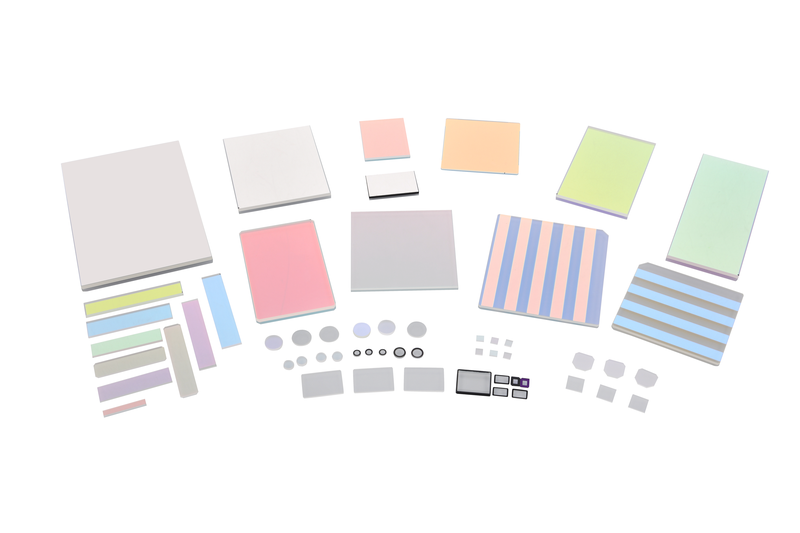
Optical Filter
Optical filters can selectively transmit light of a specific wavelength, or block light in a certain wavelength range. They can be applied in scenarios such as fluorescence microscopy, spectral analysis, clinical chemistry testing, and machine vision inspection, and are also suitable for fields such as life sciences, imaging technology, general industry, and the defense industry. Optical filters have the following types: ultraviolet filters, visible filters, infrared filters, bandpass filters, cutoff filters, neutral density filters, notch filters, dichroic filters, glass filters, plastic filters, crystal filters, hard-coated and soft-coated filters, polarizing filters, liquid crystal tunable filters, linear variable filters, etc.
 Save to Favorites
Overview
Specifications
| Parameter | Value |
|---|---|
| Anti-Reflection (+ Anti-Fingerprint) Coating [Standard Precision] | Average reflectance in ultraviolet / visible / near-infrared band < 0.4 % |
| Anti-Reflection (+ Anti-Fingerprint) Coating [High precision] | Average reflectance in ultraviolet / visible / near-infrared band < 0.2 % |
| Dielectric Mirror [Standard Precision] | Average Reflectance in Visible / Near-Infrared Band >95 % |
| Dielectric Mirror [High precision] | Average reflectance in visible / near-infrared band > 98 % |
| Metal Mirror [Standard Precision] | Average reflectance in ultraviolet / visible / near-infrared band > 98 % |
| Metal Mirror [High precision] | Average reflectance in ultraviolet / visible / near-infrared band > 99 % |
Datasheet
Please provide your email to download the datasheet.
Invalid email format. Please try again.
Supplier Information
Related Products
-
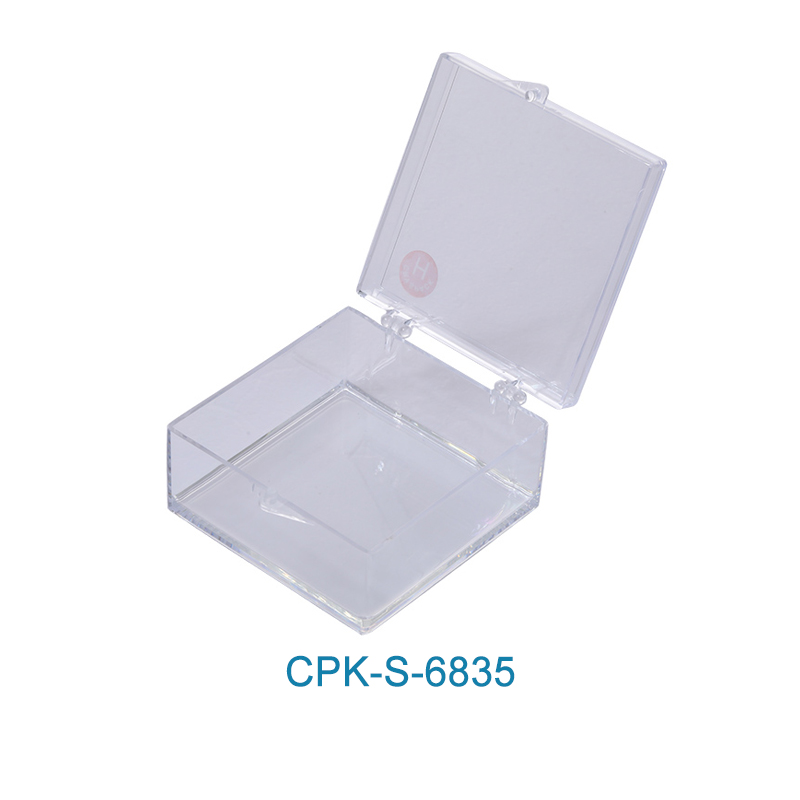 Gel Storage Box for Lenses, Prisms and Filters
Optical Filters
Cryspack
External dimensions: 68 mm × 68 mm × 35 mm Internal dimensions: 64 mm × 64 mm × 31 mm Color: Transparent
The gel storage box for lenses, prisms and filters belongs to the self-adhesive box series. A gel layer secures precision devices for storage, handling and transport. Refer to this page's parameters and actual confirmation for dimensions, materials, compatibility and operating conditions. It is used for packaging, storage, handling or display. See the parameters for dimensions, materials and structure; contact Kangpaike to confirm samples, specifications, materials or customization.
-
 Neutral-Density Filter
Optical Filters
Sunday-optics
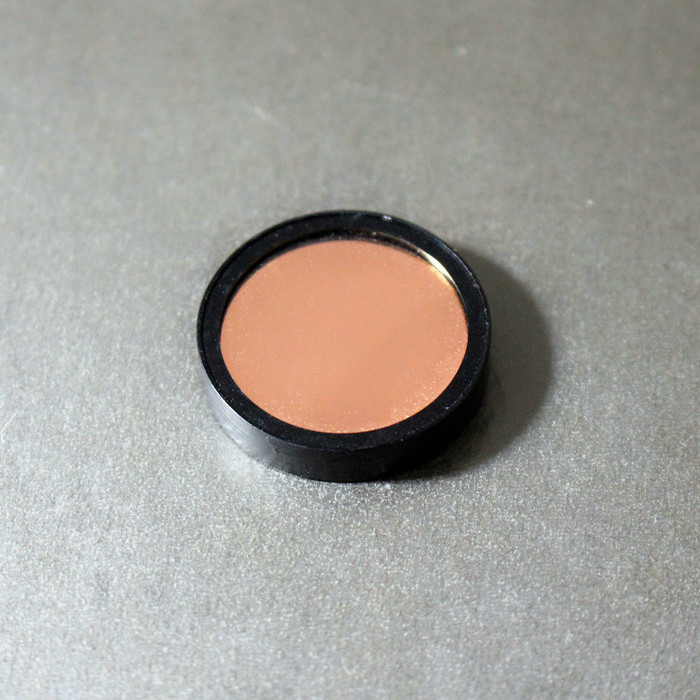
Attenuation Wavelength: 200nm-1550nm Absorptance: OD=0。 5、OD=1、OD=2、OD=3、OD=5、OD=10、OD=20、OD=30 Ultraviolet Wavelength: 250nm to 380nm; transmission after absorption 20%, 50%
The neutral-density (ND) filter, also called a neutral-gray-density filter, attenuates light nonselectively and uniformly across wavelengths. It reduces intensity without changing the object's original colors, faithfully reproducing scene contrast.
-
 Short-Pass Filter
Optical Filters
Sunday-optics
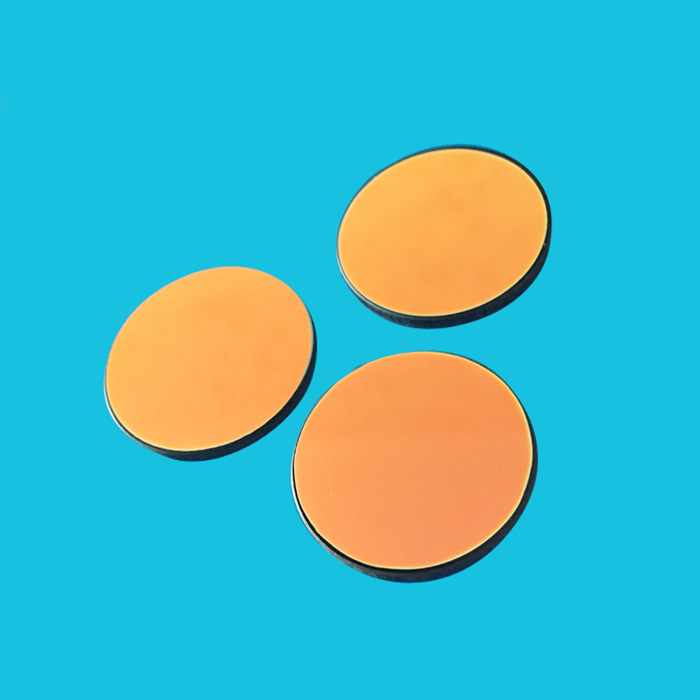
Diameter: 2 mm to 200 mm Diameter Tolerance [Or Customer-Specified Dimensions]: +0.00/-0.1 Or Customer-Specified Dimensions Material: N-BK7, H-K9L, sapphire, fused silica (JGS1), Caf2, ZnSe, Si and Ge.
Shortpass filters transmit shorter wavelengths and block longer wavelengths. They are mainly used in beauty instruments, police multiband inspection instruments, high-intensity flashlights, stage-light covers, four-wheeled vehicles, iris recognition, facial-recognition attendance systems and optical instruments.
-
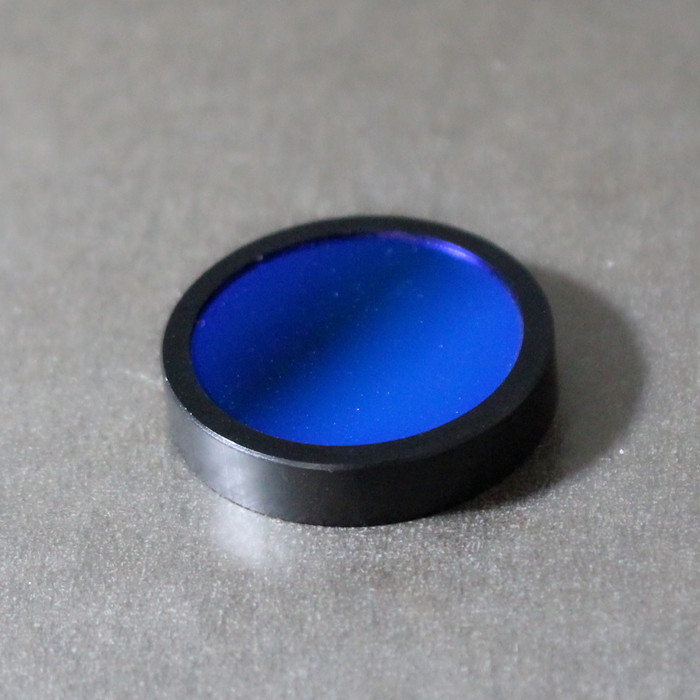 Narrow Bandpass Filter
Optical Filters
Sunday-optics
Diameter: 2 mm to 200 mm Diameter Tolerance [Or Customer-Specified Dimensions]: +0.00/-0.1 Or Customer-Specified Dimensions Material: N-BK7, H-K9L, Sapphire, Fused Silica (JGS1), Caf2, ZnSe, Si, Ge, etc.
Narrow bandpass filters transmit a small band of light; a narrower band gives purer light. Sandi Optoelectronics produces standard narrow bandpass filters at 270nm, 311, 360, 380, 473, 532, 650, 780, 808, 850, 904, 940, 1064 and 1900nm. Applications include biometrics, touchscreens, vehicle wheel alignment, medical equipment, barcode scanning, infrared cameras, night vision, laser ranging, fingerprint recognition and laser systems.
-
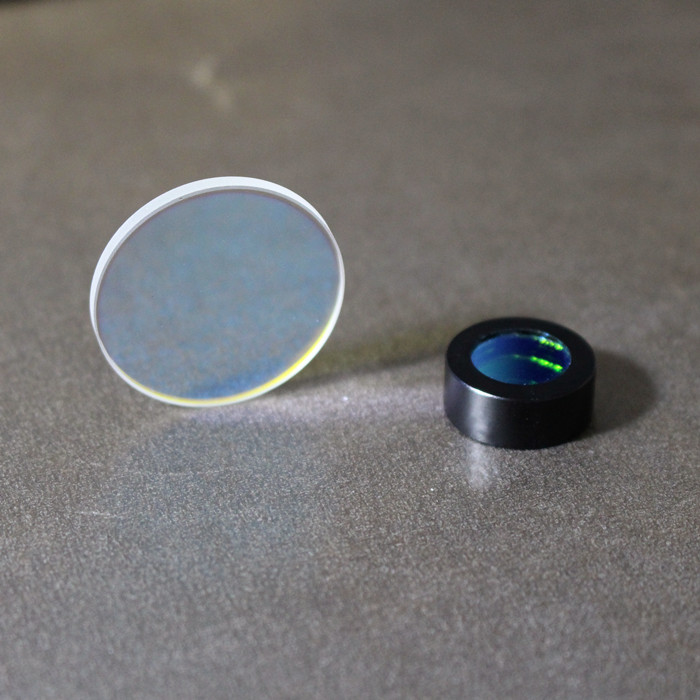 Fluorescence Filter
Optical Filters
Sunday-optics
Temperature: >90% Closed [200-1200nm]: OD6 200-1200nm Flatness [@633nm]: 1/4 lambda@633nm
Fluorescence filters extract fluorescence energy or images in fluorescence systems. Strong stray-light isolation and low autofluorescence suit PCR, fluorescence immunoassay and microscopy. Blocking typically exceeds OD5, optical density OD=-lgT. As key biomedical/life-science components, they offer deep blocking, low autofluorescence, good transmission and surface form. High-quality versions use one colorless transparent glass substrate coated on both sides, improving imaging over bonded multilayers or colored-glass-assisted blocking, though harder manufacture raises cost. A typical set comprises excitation filter, emission filter and dichroic mirror; some systems omit the dichroic, and laser excitation may eliminate the excitation filter. Excitation filter: Passes only excitation wavelengths; bandpass has largely replaced shortpass. An engraved arrow indicates recommended light direction. Emission filter: Passes sample fluorescence and blocks other wavelengths. Emission is longer/redder than excitation; bandpass or longpass types are used, with direction arrows. Dichroic mirror/beamsplitter, also called a color separator, is mounted45° to the microscope path. It reflects excitation and transmits emission, with reflectance>90% and transmission>90%. Rejected bands reflect rather than absorb; transmitted/reflected colors are complementary.
Related Articles
As a professional ultraviolet‑laser solution provider, Precilasers has launched its 266 nm narrow‑linewidth industrial laser, delivering reliable single‑frequency output for high‑precision interference lithography, semiconductor inspection and precision metrology applications.
VCSEL, short for Vertical Cavity Surface Emitting Laser, is a widely used semiconductor laser component in modern optoelectronics. Unlike traditional edge-emitting lasers, VCSEL emits laser light vertically from its chip surface. Thanks to its low power consumption, stable beam quality, low cost, and easy integration, it has become the core light source for 3D sensing, wearable devices, and high-speed optical communication.
The petrochemical industry features continuous high-risk production, where production equipment operates uninterruptedly under extreme working conditions including high temperature, high pressure, strong corrosion and oxidation.
Widely adopted in small home appliances, industrial instruments, smart toys and atomization devices, the 0603 patch emerald green LED serves as a core status-indicating optical component.
Loading...
Name
Phone
Organization
Use Case

Database Platform