
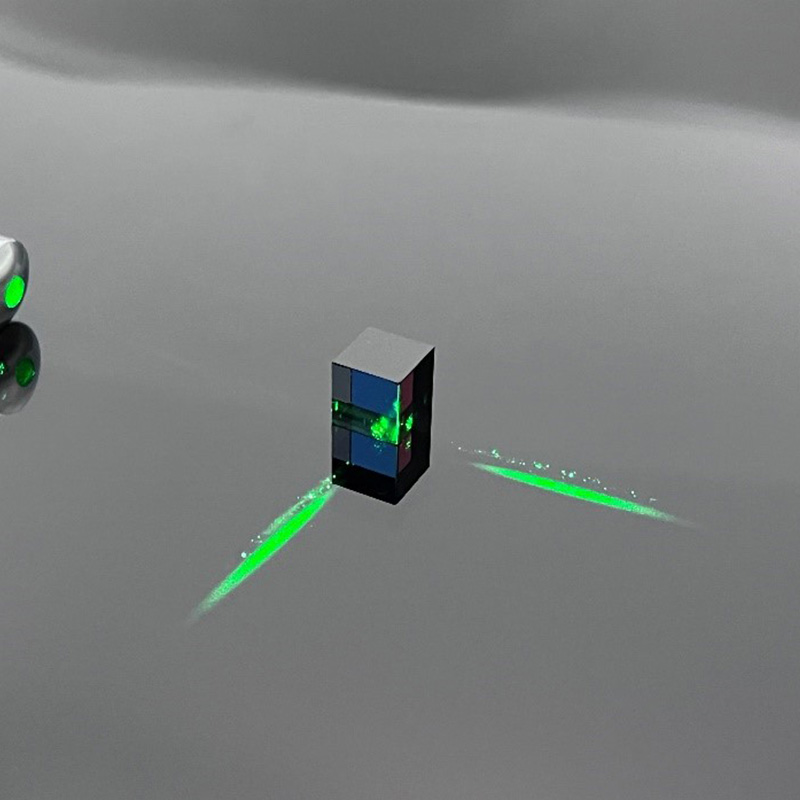
beamsplitter prism
A beamsplitter prism is made by coating a film on the hypotenuse of a right-angle prism and then cementing an identical right-angle prism to it, forming a cube beamsplitter prism. It avoids the astigmatism of plate beamsplitters; the coating is not directly exposed and is resistant to damage and corrosion. In transmission, the beamsplitter prism has no effect from beam displacement, so there are no problems of beam shift, ghost images, or interference. It is used for light splitting and imaging. At 45° incidence, no lengthy calibration is required. When light is incident perpendicular to the surface, the output light is split into two polarized beams, where the P light is the transmitted light and the S light is the reflected light. After splitting, the beamsplitter prism maintains as much as possible the original ratio of horizontal to vertical polarization of the incident light. Applications include projectors, optical instruments, fingerprint readers, collimators, rangefinders, detectors, mechanical sights, solar energy converters, erecting telescopes, laser therapy equipment, laser measurement systems, etc.
 Save to Favorites
Overview
Specifications
| Parameter | Value |
|---|---|
| Air Gap | 0.003-0.008mm |
| Stack Error | <1' |
Datasheet
Supplier Information
Related Products
-
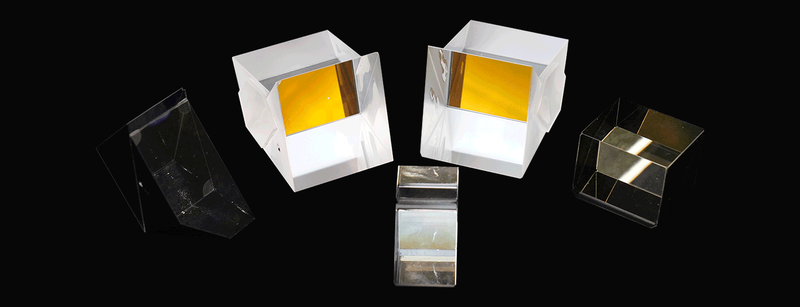 TIR prism
Prisms
Alphaoptics
TIR prism
Prisms
Alphaoptics
TIR Prism consists of two triangular prisms;
-
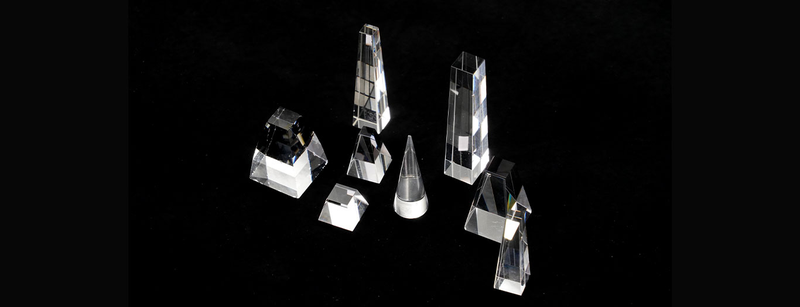 Solar Prism
Prisms
Alphaoptics
Solar Prism
Prisms
Alphaoptics
Solar prisms/solar rods are used to collect solar light;
-
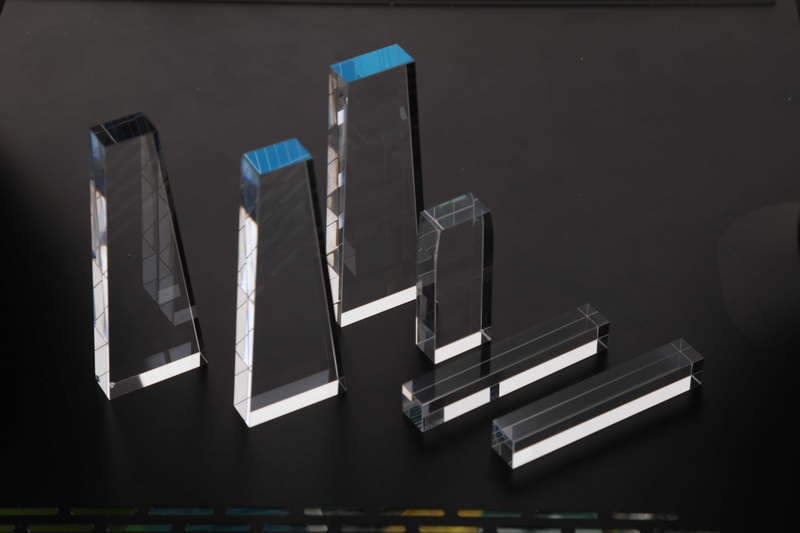 K9 and Fused Silica Optical Prisms
Prisms
Jiepu
K9 and Fused Silica Optical Prisms
Prisms
Jiepu
Materials: k9 Melting Rock / Imported Rock Face: λ/4@632.8mm Surface mass: 40/20
Prism Prism; a transparent object that is surrounded by a plane of two or two but not parallels; used to dissect or dissemble beams. The types of prisms that my company provides include straight angle prisms, side prisms, house ridge prisms, dowleys, angular cones, Pentagon prisms and wedges. Mirror
-
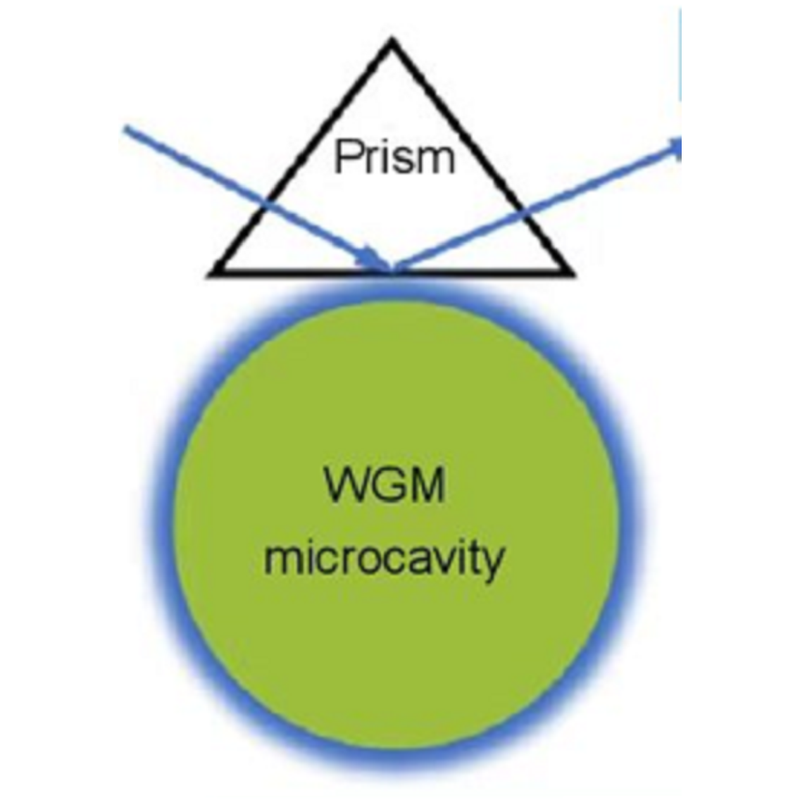 Prism aligns the sound wall
Prisms
Ovlink
Prism aligns the sound wall
Prisms
Ovlink
Refraction Rate: n=1.37 (@1.55um) Working Status: Critical coupling
The ultra-high Q-factor echo wall is a micro-optic cavity from high precision processing of crystal materials such as magnesium fluoride. The product is co-ordinated internally through prism; has high seismic resistance; is also able to respond to user needs; and has high precision control over the movement of the prism. Using the characteristics of the product; it can be widely applied to optical precision sensors, photovoltaic oscillators. Super-high Q factor, high-efficiency prism coupling; strong seismic resistance, critical coupling, built-in TEC, high-event oscillation
-
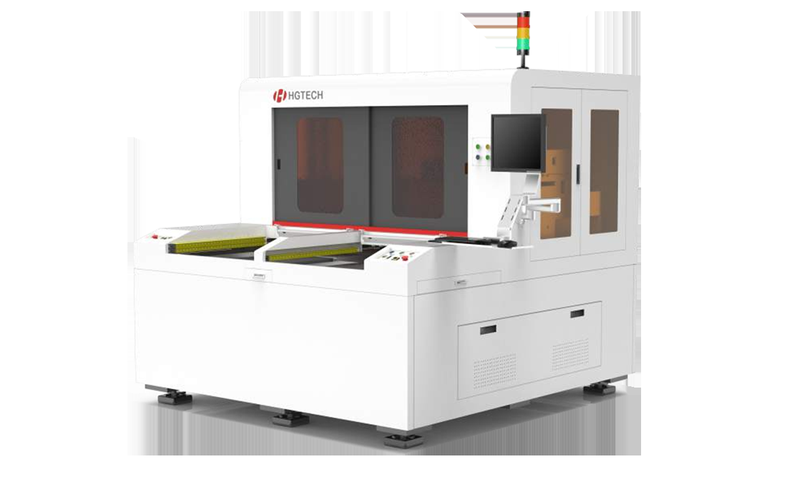 Optical prism laser cutting intelligence equipment
Prisms
Hglaser
Optical prism laser cutting intelligence equipment
Prisms
Hglaser
Line-wire power process: 400mm400mm Position precision: ±3μm
Specially developed for optical prism processing needs; applied the internationally leading infra-red fly-species to silk cutting; closely estranged micro-metres through super-fast laser technology; and protected the edges of prism materials from cracking and cracking. Equipment integrated into high-precision visual positioning and motion control systems; fit for all kinds of prism cutting; good rate above 95 per cent; widely applied in precision manufacturing areas such as camera prism, optical sensory elements
Related Articles
CytoViva delivers comprehensive hyperspectral imaging solutions covering visible to near-infrared spectrum, compatible with brightfield, fluorescence and proprietary enhanced darkfield microscopy modes.
Wuhan Optics Valley Quantum Technology Co., Ltd. is a leading domestic developer of high‑speed semiconductor optical chips and photodetector components. Our product portfolio covers InGaAs avalanche photodiode bare dies and PIN photodetector chips designed for fiber‑optic communication
Founded in 2019, Jilin JC Ultrafast Equipment Co., Ltd. is a high-tech enterprise incubated by the Ultrafast Optoelectronics Center of Jilin University. Our R&D team owns 15 years of profound experience in femtosecond laser micro-nano fabrication.
Driven by the continuous pursuit of higher precision and efficiency in optical communication and optoelectronic device manufacturing, OLCR-1000 Low-Coherence Interferometer, independently developed by Wuhan Guanggu Interconnect Technology Co., Ltd., provides an innovative technical solution for distributed return loss testing of optical fibers and optoelectronic devices.
Loading...
Name
Phone
Organization
Use Case

Database Platform