NAJING Near‑Infrared Imaging Lens: Versatile Optical Solution for 3D Sensing and Biometric Applications

Published: 2026-08-18 16:27:38 Views: 144

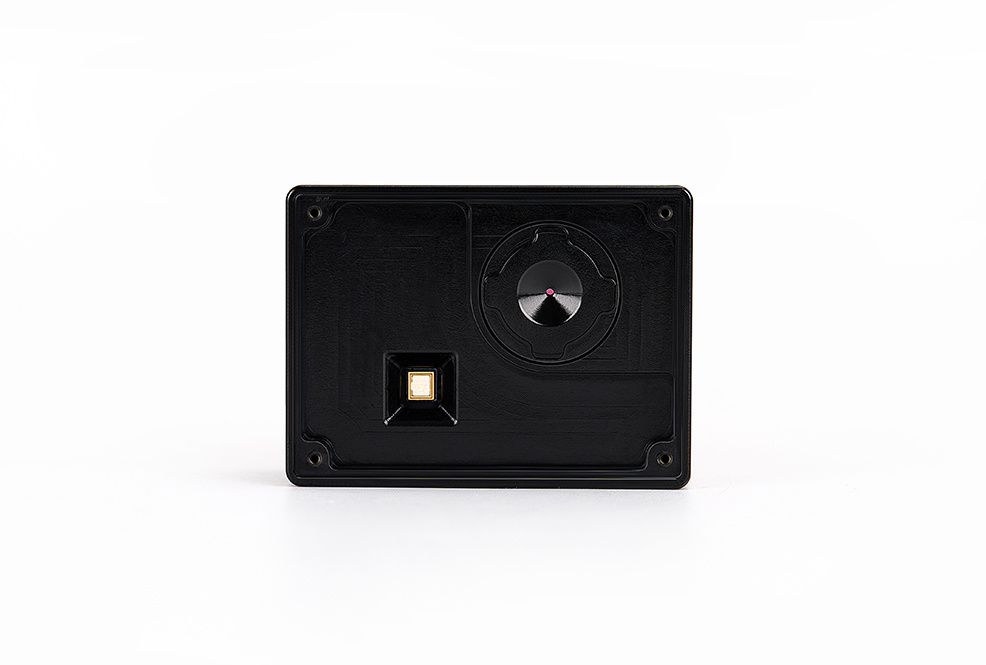
Driven by fast‑growing demands of 3D perception, biometric authentication and machine‑vision industries, near‑infrared imaging optics have become a vital hardware component for intelligent sensing systems. NAJING has launched a high‑performance 940 nm near‑infrared imaging lens module. Optimized for near‑infrared spectrum, this optical component features a wide field‑of‑view, large aperture and excellent resolving power, delivering a reliable, cost‑effective imaging solution for 3D scanning modeling, facial recognition, robot sensing and eye‑tracking applications.
ImageDescription

Integrated with a 1280 × 720 image sensor, the lens is optically tuned for the 940 nm wavelength band. It effectively suppresses visible‑light noise and produces clear images even under complicated ambient‑light conditions.

Key optical specifications:

Diagonal Field of View (DFOV): 78°

Effective Focal Length (EFL): 3.80 mm

F‑Number: 1.99

TV‑Distortion: ‑17.66%

MTF: 0.53 @ 60 lp/mm

The large‑aperture design greatly boosts light‑gathering capability and improves imaging sensitivity under low‑illumination environments. Low distortion and solid MTF performance guarantee sharp image quality both at the image center and periphery.

Main Application Areas

1. 3D‑Scanning & Modeling

Equipped in handheld 3D scanners, the lens captures structured‑light patterns precisely for high‑accuracy surface reconstruction. It fits industrial inspection, heritage digitization and reverse‑engineering measurement tasks.

2. Facial Recognition

Ideal for access‑control terminals, smart locks and time‑attendance devices. Working at 940 nm NIR band, the lens enables stable facial imaging and liveness detection, minimizing recognition failures caused by changing visible lighting.

3. Robotic Perception

Service robots, collaborative manipulators and AGVs can adopt this near‑infrared camera lens for obstacle detection, gesture interaction and human‑robot distance sensing, supporting round‑the‑clock environmental perception.

4. Eye‑Tracking System

Well‑suited for eye‑tracker modules inside VR headsets or psychological research instruments. The high‑quality infrared eye images captured by this lens provide dependable raw data for pupil‑tracking algorithms.

NAJING near‑infrared imaging lens module supports customized optical adjustments, making it a flexible, general‑purpose optical solution for 3D vision, biometrics and intelligent‑robot projects.
Related Products

Image Name Category Manufacturer Parameters Description
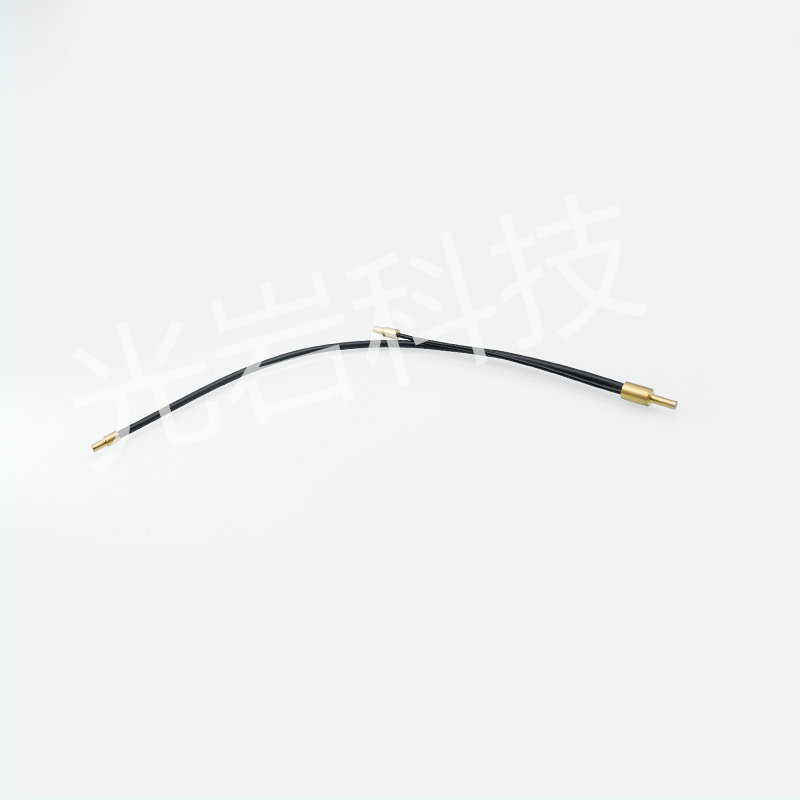
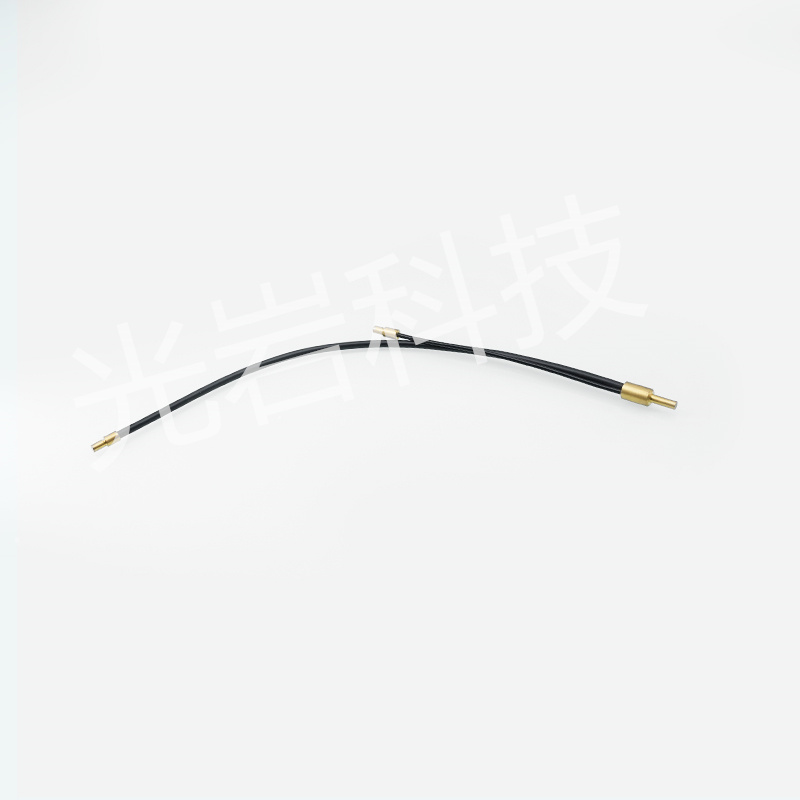
  • Fiber for Meat Testing SMA-UVRL-02 Optical Fibers Fiber for Meat Testing SMA-UVRL-02 Optical Fibers Fiberock

    In meat testing, fiber technology is generally combined with spectroscopy to provide consumers and regulators with safe, effective, nondestructive assessment of quality, composition, and safety standards. It meets the meat industry's strong demand for fast, accurate, nondestructive testing. With technological advances and falling costs, fiber and spectroscopy equipment for meat testing will become more common and widespread. Silica fiber offers certain advantages. Overall, fibers transmit optical signals and data, while silica's particular advantages improve transmission quality and stability. It therefore has advantages in meat testing to some extent, although selection must still reflect actual application needs and conditions.

  • Fiber for Meat Testing SMA-DUVRL-01 Optical Fibers Fiber for Meat Testing SMA-DUVRL-01 Optical Fibers Fiberock

    In meat testing, fiber technology is generally combined with spectroscopy to provide consumers and regulators with safe, effective, nondestructive assessment of quality, composition, and safety standards. It meets the meat industry's strong demand for fast, accurate, nondestructive testing. With technological advances and falling costs, fiber and spectroscopy equipment for meat testing will become more common and widespread. Silica fiber offers certain advantages. Overall, fibers transmit optical signals and data, while silica's particular advantages improve transmission quality and stability. It therefore has advantages in meat testing to some extent, although selection must still reflect actual application needs and conditions.

  • Fiber for Meat Testing SMA-DUVRL-02 Optical Fibers Fiber for Meat Testing SMA-DUVRL-02 Optical Fibers Fiberock

    In meat testing, fiber technology is generally combined with spectroscopy to provide consumers and regulators with safe, effective, nondestructive assessment of quality, composition, and safety standards. It meets the meat industry's strong demand for fast, accurate, nondestructive testing. With technological advances and falling costs, fiber and spectroscopy equipment for meat testing will become more common and widespread. Silica fiber offers certain advantages. Overall, fibers transmit optical signals and data, while silica's particular advantages improve transmission quality and stability. It therefore has advantages in meat testing to some extent, although selection must still reflect actual application needs and conditions.

  • Fiber for Meat Testing SMA-IRRL-01 Optical Fibers Fiber for Meat Testing SMA-IRRL-01 Optical Fibers Fiberock

    In meat testing, fiber technology is generally combined with spectroscopy to provide consumers and regulators with safe, effective, nondestructive assessment of quality, composition, and safety standards. It meets the meat industry's strong demand for fast, accurate, nondestructive testing. With technological advances and falling costs, fiber and spectroscopy equipment for meat testing will become more common and widespread. Silica fiber offers certain advantages. Overall, fibers transmit optical signals and data, while silica's particular advantages improve transmission quality and stability. It therefore has advantages in meat testing to some extent, although selection must still reflect actual application needs and conditions.

  • Fiber for Meat Testing SMA-IRRL-02 Optical Fibers Fiber for Meat Testing SMA-IRRL-02 Optical Fibers Fiberock

    In meat testing, fiber technology is generally combined with spectroscopy to provide consumers and regulators with safe, effective, nondestructive assessment of quality, composition, and safety standards. It meets the meat industry's strong demand for fast, accurate, nondestructive testing. With technological advances and falling costs, fiber and spectroscopy equipment for meat testing will become more common and widespread. Silica fiber offers certain advantages. Overall, fibers transmit optical signals and data, while silica's particular advantages improve transmission quality and stability. It therefore has advantages in meat testing to some extent, although selection must still reflect actual application needs and conditions.

Contact Us

Loading...

A global database of 100,000 photonics products helps match you with the right product.

  • Expert Selection
  • Verified Suppliers
  • Quality Assured
AI Parametric Selection
Smart Match · Precise Recs
Enter Specifications
AI Smart Matching
Get Best Matches
Skip Manual Comparison
Find Best Solutions Fast
Select Now →