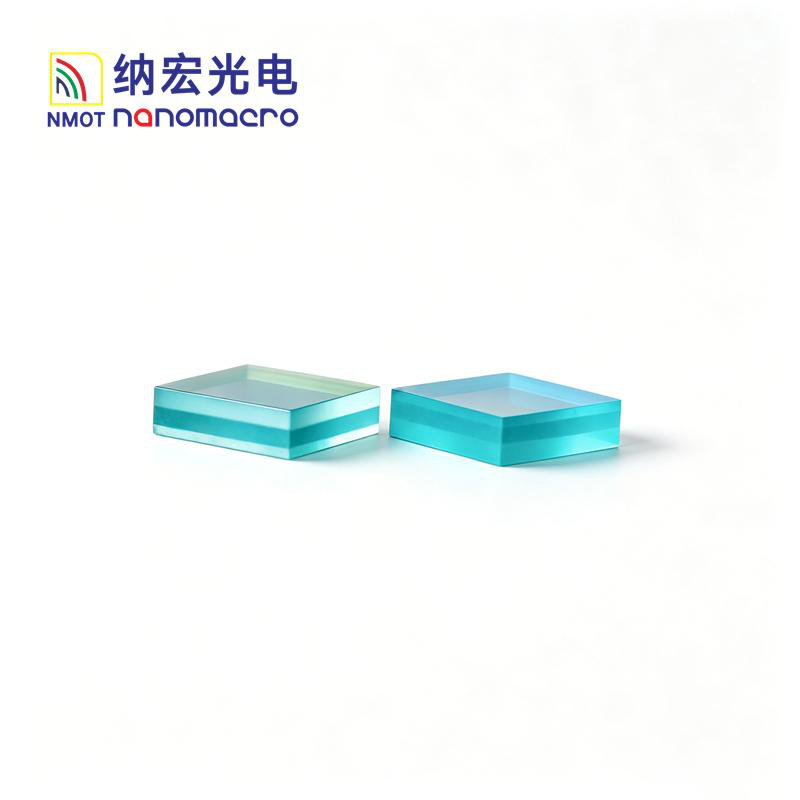
Tunable Optical Etalon for Quantum Experiment and Laser Stabilization
Published: 2026-08-19 11:06:06 Views: 76
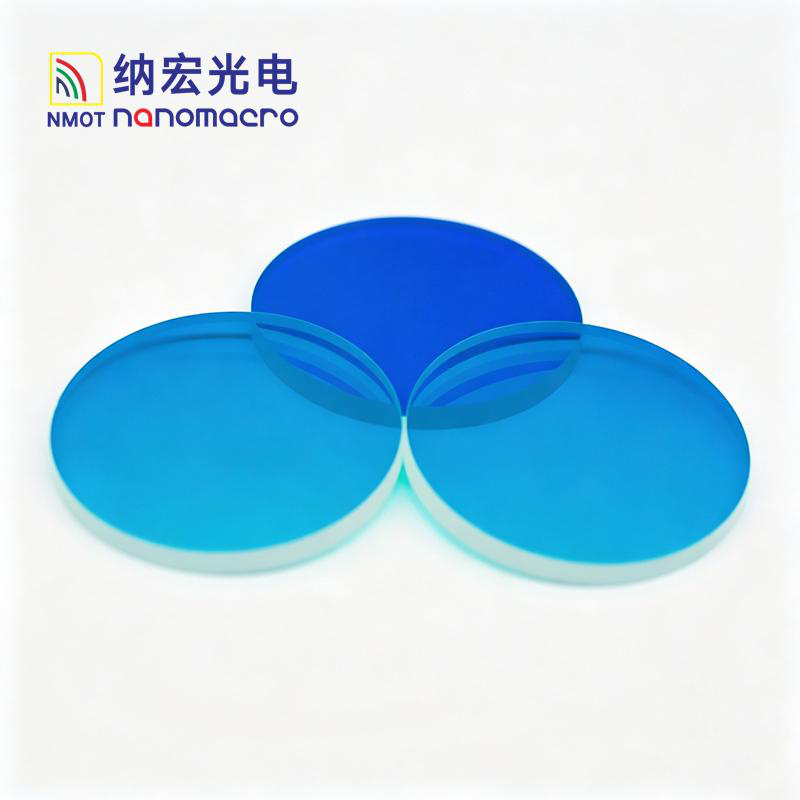
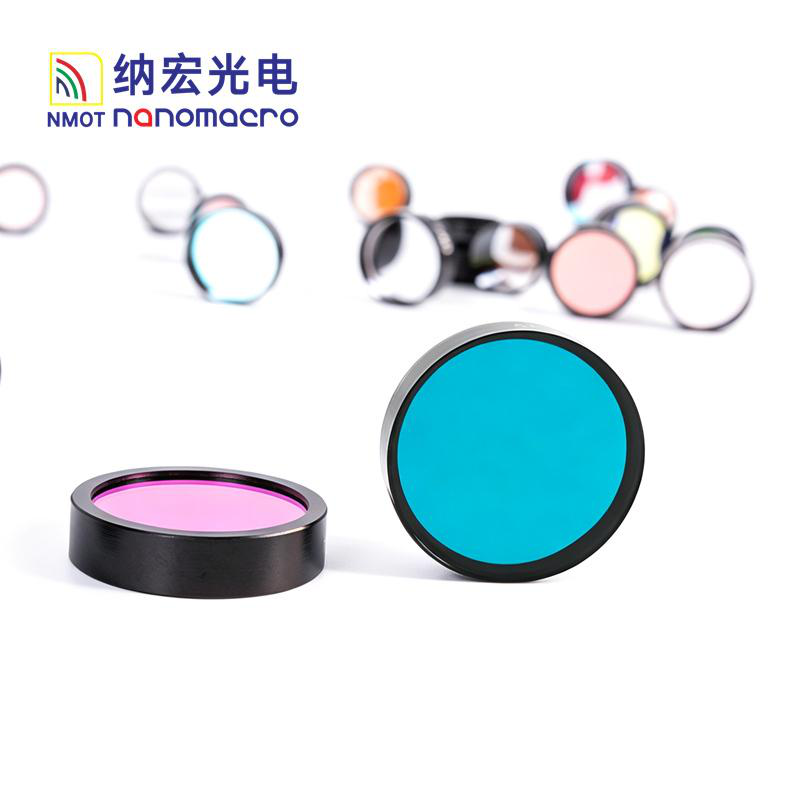
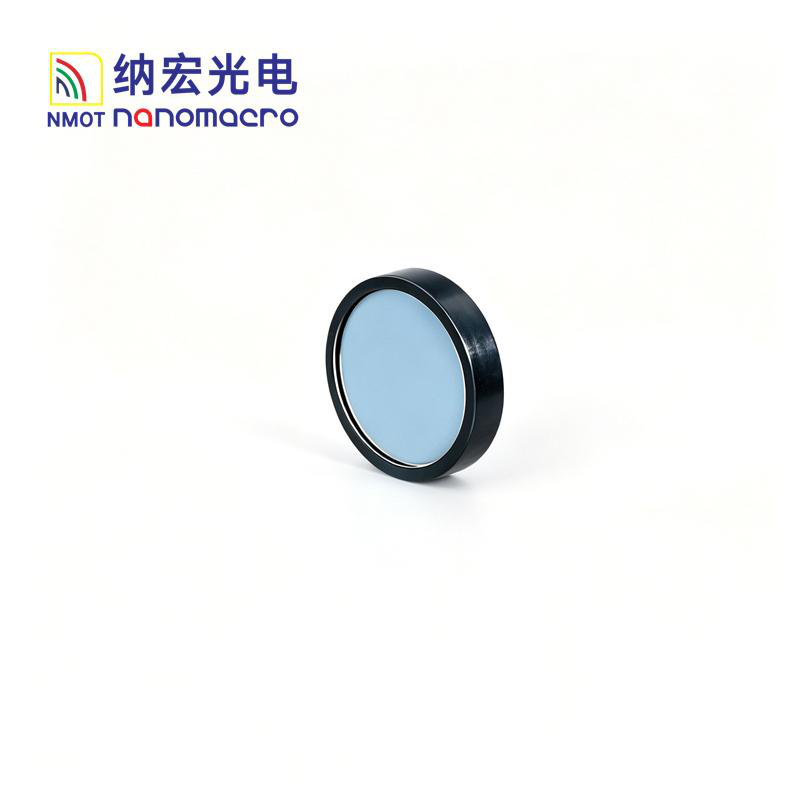
As a core precision optical component for wavelength screening, frequency locking and spectral demodulation, optical etalons are widely used in high-end scientific research and precision laser equipment. Xi'an SNP Precision Optics Co., Ltd. develops and manufactures a full range of high-performance tunable optical etalons. Adopting high-quality substrates and sophisticated optical processing technology, the products feature low optical loss, high efficiency and superior stability, perfectly matching the requirements of high-precision optical experiments and industrial applications.
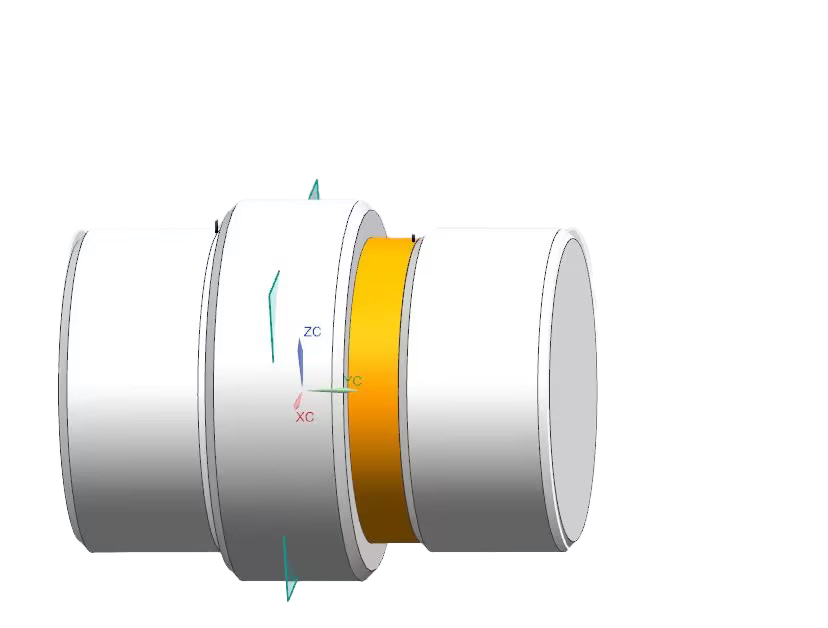
This series of optical etalons is applicable to multiple professional scenarios, including quantum scientific experiments, high-precision laser frequency stabilization, accurate spectral analysis and specialized optical filtering. It provides reliable hardware support for cold atom research, narrow-linewidth laser manufacturing, spectral detection equipment and precision optical path noise reduction systems, greatly improving the detection accuracy and operational stability of optical systems.
In terms of material selection and performance parameters, the etalons adopt ULE ultra-low expansion glass and fused silica with excellent thermal stability, which effectively avoids optical parameter drift caused by ambient temperature changes and ensures long-term high-precision operation. The product features a free spectral range from 1.5GHz to 30GHz and covers a broad working wavelength band of 500nm to 2000nm, covering visible and near-infrared spectra for mainstream laser and spectral devices.
Equipped with PZT piezoelectric ceramic tuning structure, the etalon supports continuous and precise cavity length adjustment with fast and accurate response. Customized finesse specifications are available to meet diverse customer demands for experimental accuracy and equipment parameters. The high-precision coated cavity mirrors deliver high transmittance, extremely low optical loss and excellent beam coupling efficiency, minimizing optical path energy loss and optimizing the overall working efficiency of optical systems.