

Infrared (IR) Longpass Filters
In infrared optical systems, filters play a critical role in precisely controlling the passage of light at specific wavelengths to optimize imaging quality or signal detection. An infrared Longpass filter is an optical element that allows the transmission of long-wave infrared light (usually light with a wavelength greater than a certain cutoff value, such as 5μm, 8μm, or 10μm) while blocking short-wave radiation. These filters are widely used in thermal imaging, gas detection, military reconnaissance, industrial monitoring and scientific research. How to choose materials for IR longpass filters? Ge: Transparent Range(um): 2-16; Refractive Index: ~4.0; Advantage: High refractive index, corrosion resistance; Disadvantage: High price and temperature sensitivity (performance degradation >100°C); Applicable Scene: Military infrared, laser systems ZnSe: Transparent Range(um): 0.5-20; Refractive Index: ~2.4; Advantage: Wide band transmission, low absorption; Disadvantage: Softer and easier to scratch; Applicable Scene: CO₂ laser, thermal imaging ZnS: Transparent Range(um): 0.4-12; Refractive Index: ~2.2; Advantage: Wear resistance and high mechanical strength; Disadvantage: Absorption peaks in some bands; Applicable Scene: Harsh environment applications Si: Transparent Range(um): 1.2-7; Refractive Index: ~3.4; Advantage: Low cost and easy to process; Disadvantage: Opaque in the 8-14 μm band; Applicable Scene: SWIR CaF2: Transparent Range(um): 0.15-9; Refractive Index: ~1.4; Advantage: Low refractive index, resistant to laser damage; Disadvantage: Easy to moisture, need to be coated with protective coating; Applicable Scene: Spectrometer, UV-IR broadband
 Save to Favorites
Overview
Datasheet
Please provide your email to download the datasheet.
Invalid email format. Please try again.
Supplier Information
Related Products
-
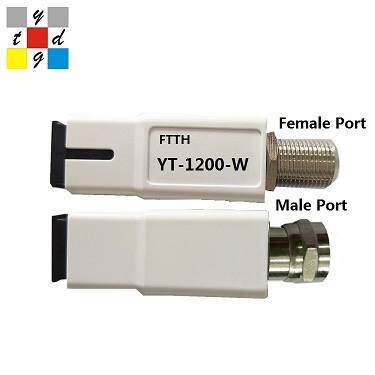 CATV FTTH Passive Optical node with Filter (1550nm)
Optical Filters
Ytdq
-
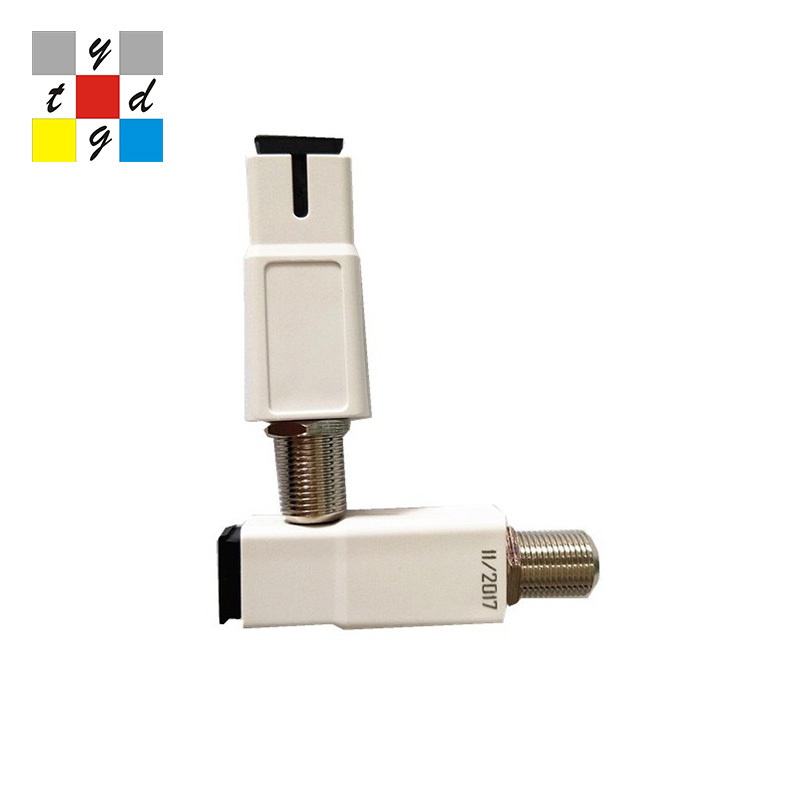 FTTH passive node with filter or without filter
Optical Filters
Ytdq
Optical parameters-Input optical power: -8~0 Optical parameters-Received light wavelength (with filter): 1550 (with filter) Optical parameters-Input optical interface: SC/APC
-
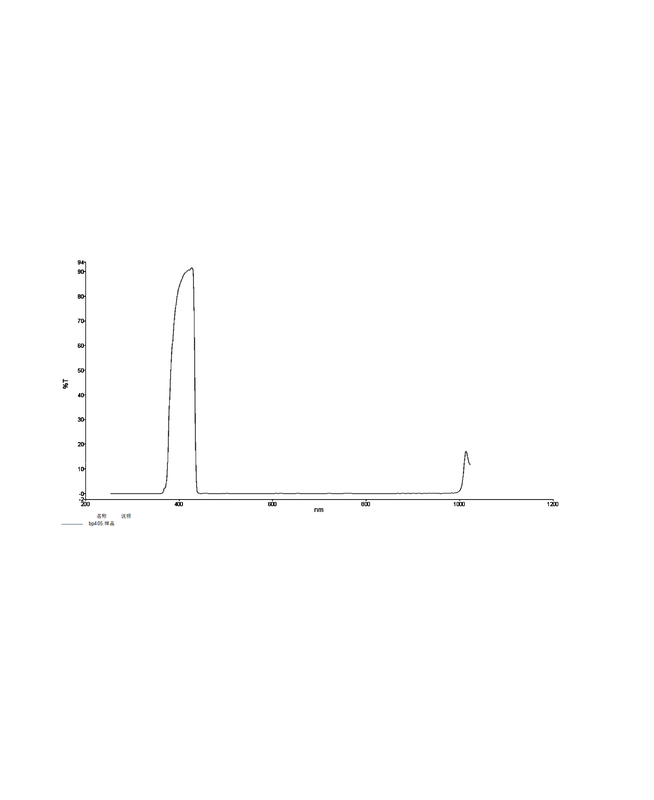 AZURE-BP405
Optical Filters
Azurephotonics
BP405 Transmission Data(Typical)-transmission [380nm]: 40.528018 % BP405 Transmission Data(Typical)-transmission [590nm]: 0.006293 % BP405 Transmission Data(Typical)-transmission [800nm]: 0.003187 %
-
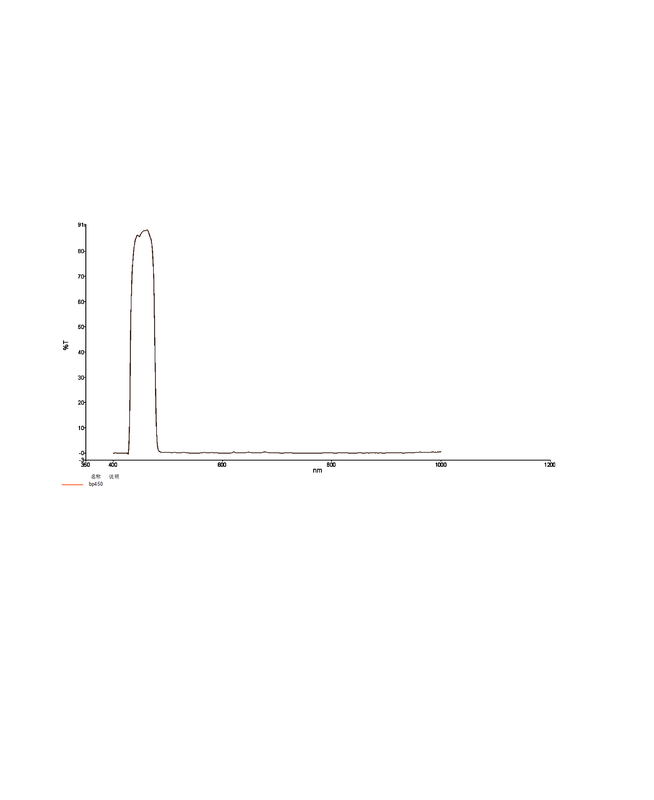 AZURE-BP450
Optical Filters
Azurephotonics
BP450 Transmission Data(Typical)-transmission [400nm]: 0.006605 % BP450 Transmission Data(Typical)-transmission [610nm]: 0.000929 % BP450 Transmission Data(Typical)-transmission [820nm]: 0.077472 %
-
 Filter film
Optical Filters
Bxoptic
Material [bandpass filters]: According to customers’ request Dimension Tolerance [bandpass filters]: ±0.01~±0.2 Chamfer [bandpass filters]: 0.5mm,45°
Related Articles
VCSEL, short for Vertical Cavity Surface Emitting Laser, is a widely used semiconductor laser component in modern optoelectronics. Unlike traditional edge-emitting lasers, VCSEL emits laser light vertically from its chip surface. Thanks to its low power consumption, stable beam quality, low cost, and easy integration, it has become the core light source for 3D sensing, wearable devices, and high-speed optical communication.
As a core precision optical component for wavelength screening, frequency locking and spectral demodulation, optical etalons are widely used in high-end scientific research and precision laser equipment.
Semiconductor laser diodes are essential light sources for industrial sensing, LiDAR and laser printing. Many engineers waste time picking mismatched models. We summarize 4 simple selection standards, plus a mature industrial product: HGLD-790TO5.6-ZSP-10mW from HAUCORE.
Founded in 2019, Jilin JC Ultrafast Equipment Co., Ltd. is a high-tech enterprise incubated by the Ultrafast Optoelectronics Center of Jilin University. Our R&D team owns 15 years of profound experience in femtosecond laser micro-nano fabrication.
Loading...
Name
Phone
Organization
Use Case

Database Platform