
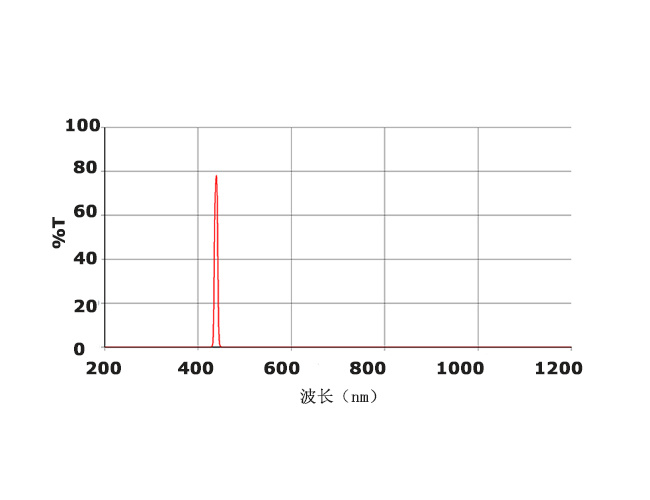
Biochemical Analyzer Filters
Biochemical analyzers (e.g., enzyme markers, spectrophotometers, blood analyzers, etc.) rely on filters to achieve high-precision optical detection, and their core role is to select specific wavelengths of light for sample analysis, while blocking interfering light to improve detection sensitivity and accuracy. What are the common biochemical analyzer filters? 340 nm (NADH/NADPH assay) 405 nm (alkaline phosphatase ALP) 546 nm (hemoglobin assay) 380mm,410mm,510mm,578nm, 620mm,630nm,670mm,700mm How to choose a biochemical analyzer filter? The performance of biochemical analyzer filters directly affects the accuracy and repeatability of the test results. It is important to pay attention to it when selecting the model: Wavelength matching (strictly against the requirements of the kit). FWHM and OD value (balance sensitivity and anti-interference ability). Durability (hard coating + bezel design for automated instruments). For high-end applications (e.g. ultra-micro detection), it is recommended to choose ultra narrow band (FWHM<5 nm) + OD6 filters; for routine detection, it is recommended to choose wide band (20~40 nm) + OD4 to reduce the cost.
 Save to Favorites
Overview
Datasheet
Please provide your email to download the datasheet.
Invalid email format. Please try again.
Supplier Information
Related Products
-
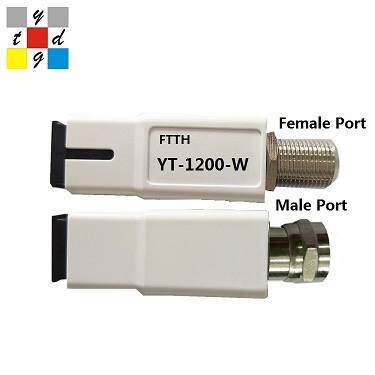 CATV FTTH Passive Optical node with Filter (1550nm)
Optical Filters
Ytdq
-
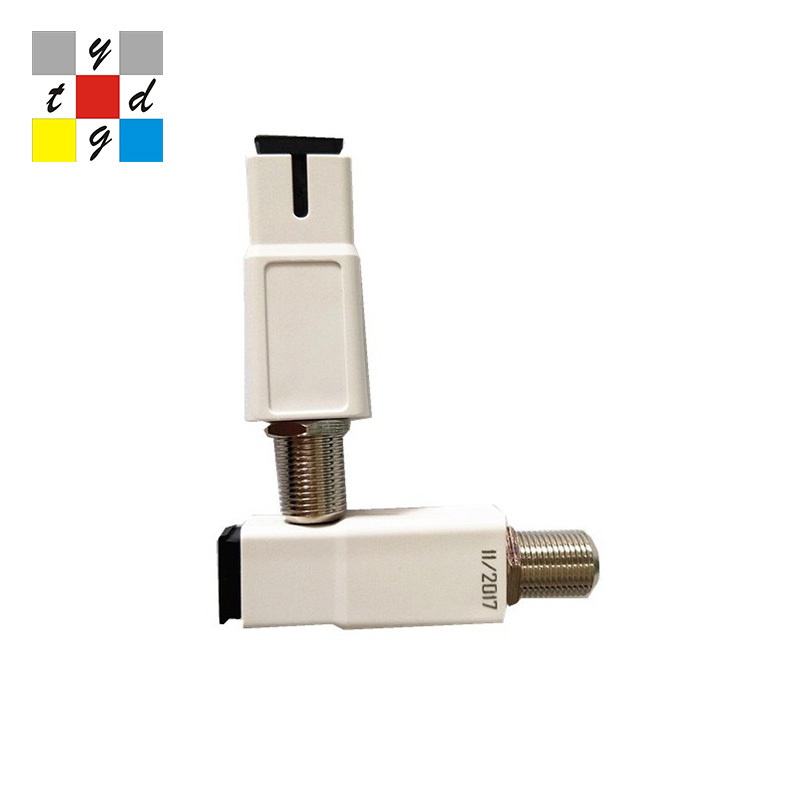 FTTH passive node with filter or without filter
Optical Filters
Ytdq
Optical parameters-Input optical power: -8~0 Optical parameters-Received light wavelength (with filter): 1550 (with filter) Optical parameters-Input optical interface: SC/APC
-
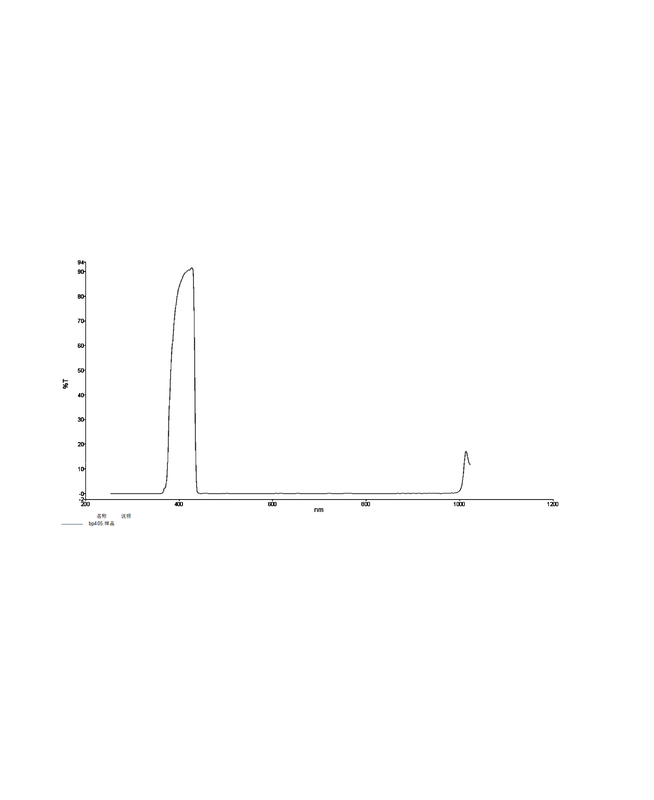 AZURE-BP405
Optical Filters
Azurephotonics
BP405 Transmission Data(Typical)-transmission [380nm]: 40.528018 % BP405 Transmission Data(Typical)-transmission [590nm]: 0.006293 % BP405 Transmission Data(Typical)-transmission [800nm]: 0.003187 %
-
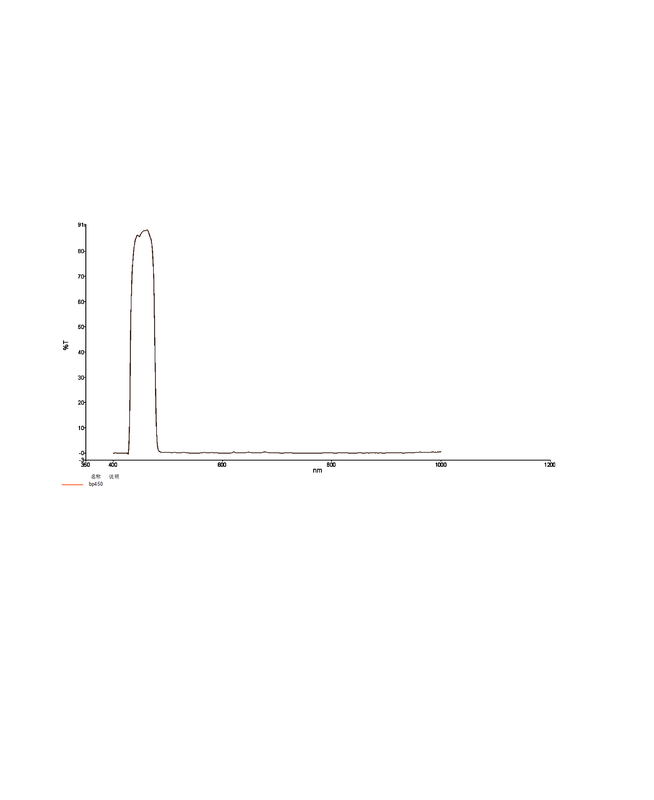 AZURE-BP450
Optical Filters
Azurephotonics
BP450 Transmission Data(Typical)-transmission [400nm]: 0.006605 % BP450 Transmission Data(Typical)-transmission [610nm]: 0.000929 % BP450 Transmission Data(Typical)-transmission [820nm]: 0.077472 %
-
 Filter film
Optical Filters
Bxoptic
Material [bandpass filters]: According to customers’ request Dimension Tolerance [bandpass filters]: ±0.01~±0.2 Chamfer [bandpass filters]: 0.5mm,45°
Related Articles
Laser pump sources are the core energy input component of solid-state lasers and laser amplifiers, and their performance directly determines the output power, beam quality and service life of the entire laser system. In scenarios such as industrial processing, scientific research experiments and high-end equipment, improper pump source selection will not only result in substandard system performance, but also bring a series of problems such as rapid device degradation and high operation and maintenance costs. This article sorts out the core selection logic and key pitfalls of pump source procurement, and provides selection references based on mature, mass-produced high-reliability products to help purchasers efficiently screen suitable products.
Widely adopted in small home appliances, industrial instruments, smart toys and atomization devices, the 0603 patch emerald green LED serves as a core status-indicating optical component.
An infrared transmitter (IR transmitter) is a basic electronic component that sends invisible infrared light signals for short-range wireless control. It is widely used in daily electronics, smart home devices, and industrial equipment due to its low cost, low power consumption, and stable performance.
Fluoride crystal glass and K9 optical glass are two core optical substrates widely used in precision optical systems, laser equipment and photoelectric scientific research.
Loading...
Name
Phone
Organization
Use Case

Database Platform