
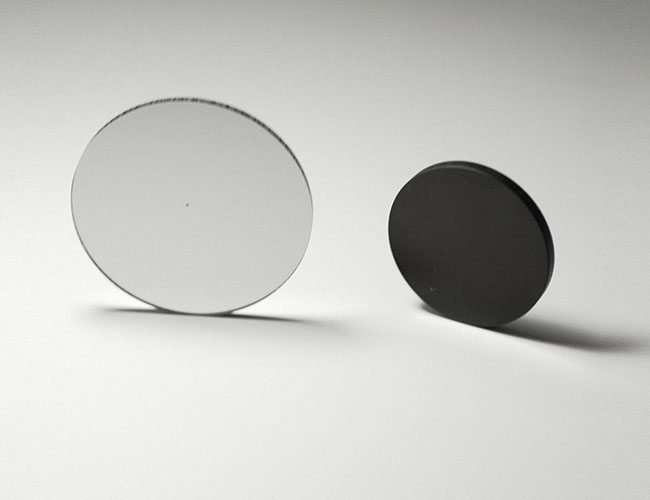
Absorptive Neutral Density (ND) Filters
An absorptive neutral density filter (ND Filter) is an optical element that uniformly reduces the intensity of light by absorbing light of a specific wavelength. It does not significantly change the color of light (i.e., remains “neutral”) and is widely used in photography, laser systems, spectral analysis, and other applications. How absorptive neutral density filters work? Absorption mechanism: through the properties of the material itself (e.g., light-absorbing substances in glass, polymers, or metal coatings) absorbs part of the incident light, converting the light energy into heat and thus reducing the intensity of the transmitted light. Spectral neutrality: ideally, the ND filter attenuates all visible wavelengths to the same degree, avoiding the introduction of color deviation (actual products may show slight color shifts at high densities). Optical Density (OD): indicates the degree of light attenuation, the higher the OD value, the lower the light transmission. Formula: OD = -log10(T), where T is the transmittance (e.g. OD1=T10%). Transmittance (T): usually expressed as a percentage (e.g. ND2=T50%). Damage Threshold: the maximum light intensity that the ND filter can withstand is taken into account for high power laser applications (absorbed heat can lead to component damage). What is the difference between absorptive neutral density filter and reflective neutral density filter? Absorption: light energy is absorbed by the material, simple but may generate heat. Reflective: excess light energy is reflected by the coating, better heat dissipation but may introduce stray light.
 Save to Favorites
Overview
Applications
Datasheet
Please provide your email to download the datasheet.
Invalid email format. Please try again.
Supplier Information
Related Products
-
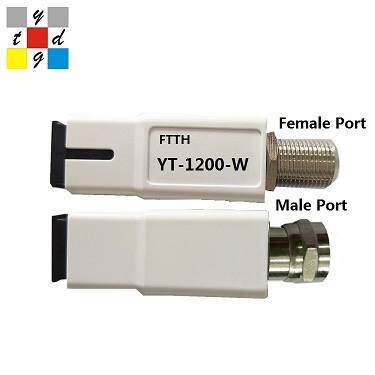 CATV FTTH Passive Optical node with Filter (1550nm)
Optical Filters
Ytdq
-
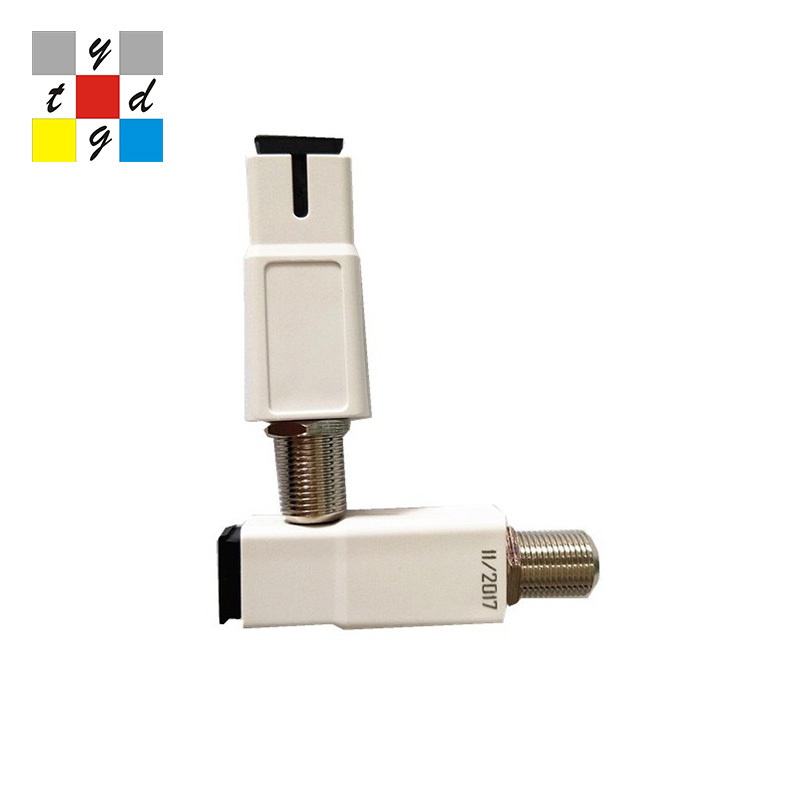 FTTH passive node with filter or without filter
Optical Filters
Ytdq
Optical parameters-Input optical power: -8~0 Optical parameters-Received light wavelength (with filter): 1550 (with filter) Optical parameters-Input optical interface: SC/APC
-
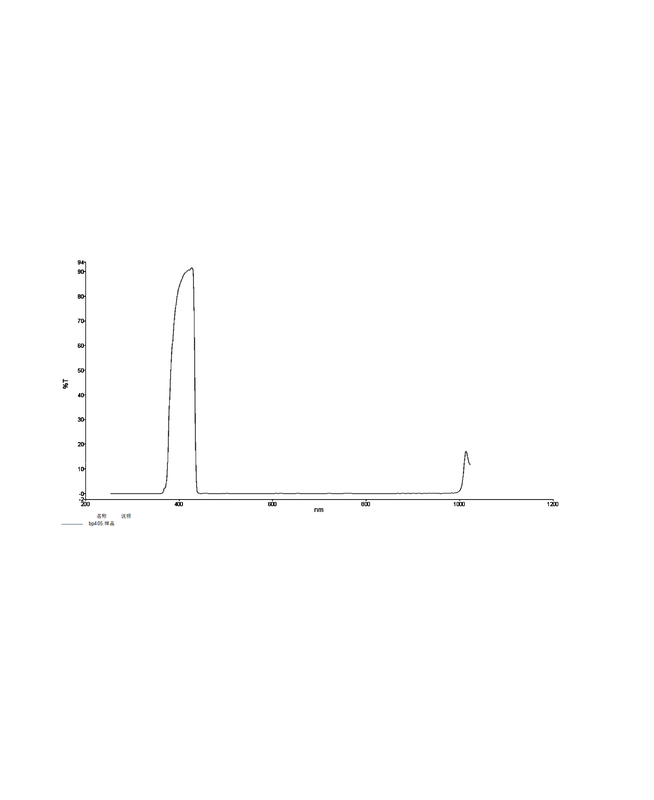 AZURE-BP405
Optical Filters
Azurephotonics
BP405 Transmission Data(Typical)-transmission [380nm]: 40.528018 % BP405 Transmission Data(Typical)-transmission [590nm]: 0.006293 % BP405 Transmission Data(Typical)-transmission [800nm]: 0.003187 %
-
 AZURE-BP450
Optical Filters
Azurephotonics
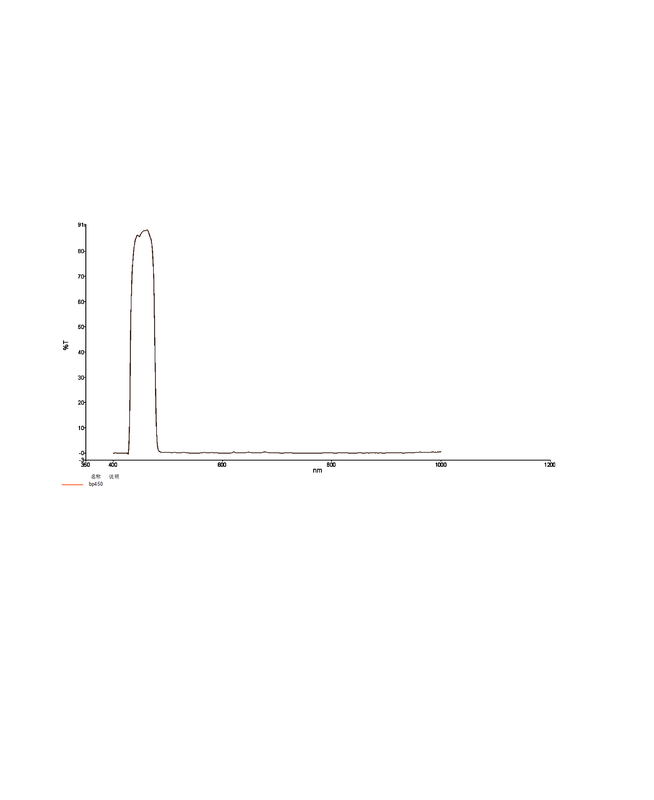
BP450 Transmission Data(Typical)-transmission [400nm]: 0.006605 % BP450 Transmission Data(Typical)-transmission [610nm]: 0.000929 % BP450 Transmission Data(Typical)-transmission [820nm]: 0.077472 %
-
 Filter film
Optical Filters
Bxoptic
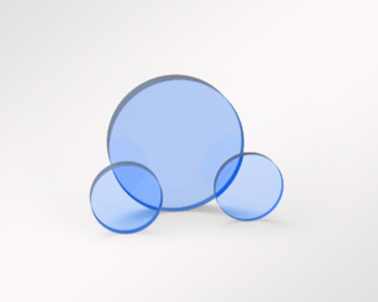
Material [bandpass filters]: According to customers’ request Dimension Tolerance [bandpass filters]: ±0.01~±0.2 Chamfer [bandpass filters]: 0.5mm,45°
Related Articles
Laser pump sources are the core energy input component of solid-state lasers and laser amplifiers, and their performance directly determines the output power, beam quality and service life of the entire laser system. In scenarios such as industrial processing, scientific research experiments and high-end equipment, improper pump source selection will not only result in substandard system performance, but also bring a series of problems such as rapid device degradation and high operation and maintenance costs. This article sorts out the core selection logic and key pitfalls of pump source procurement, and provides selection references based on mature, mass-produced high-reliability products to help purchasers efficiently screen suitable products.
Widely adopted in small home appliances, industrial instruments, smart toys and atomization devices, the 0603 patch emerald green LED serves as a core status-indicating optical component.
An infrared transmitter (IR transmitter) is a basic electronic component that sends invisible infrared light signals for short-range wireless control. It is widely used in daily electronics, smart home devices, and industrial equipment due to its low cost, low power consumption, and stable performance.
Fluoride crystal glass and K9 optical glass are two core optical substrates widely used in precision optical systems, laser equipment and photoelectric scientific research.
Loading...
Name
Phone
Organization
Use Case

Database Platform