
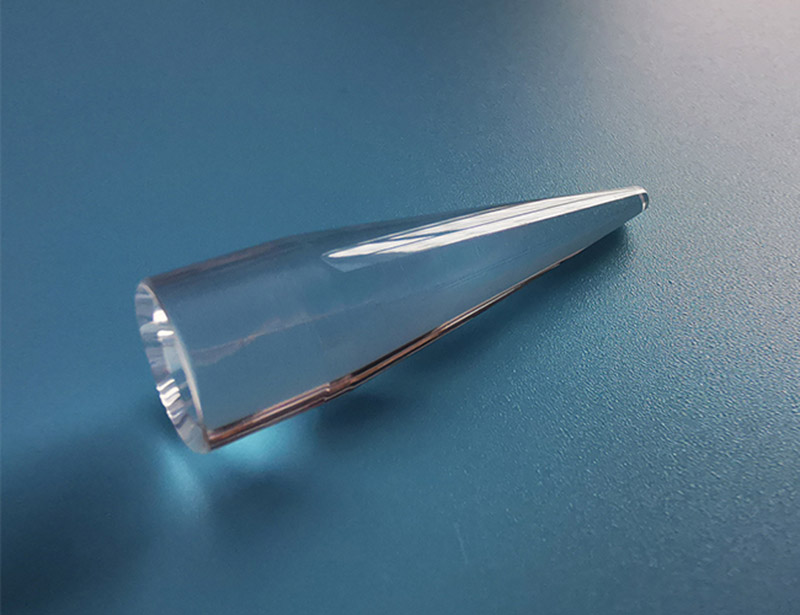
Fused Silica Light Pipes
Similar to optical fibers, light pipe homogenizing rods utilize Total Internal Reflection (TIR) to transmit light from the input to the output end. The refractive index of the substrate material is the sole factor determining the light pipe’s critical angle, which defines the acceptance angle for TIR to occur. For light pipes designed for high-NA, standard-NA, or low-NA light sources, if the same substrate material is used, they will share the identical acceptance angle. How to choose the material for the light pipe Material: Optical Glass (BK7); Refractive Index: 1.517; Applicable Scene: High-power laser, precision optical system; Advantages and Disadvantages: ✅ High transmittance and low absorption; ❌ Brittle and heavy Material: Fused Silica; Refractive Index: 1.46; Applicable Scene: UV laser, high-temperature environment; Advantages and Disadvantages: ✅ Heat resistance and low thermal expansion; ❌ High Cost Material: PMMA; Refractive Index: 1.49; Applicable Scene: Low-cost lighting and light pipe; Advantages and Disadvantages: ✅ Lightweight and easy to process; ❌ Poor heat resistance
 Save to Favorites
Overview
Datasheet
Please provide your email to download the datasheet.
Invalid email format. Please try again.
Supplier Information
Related Products
-
 Custom Sapphire Flat Surface Machining
Optical Material
Hbjir
Machined Surface Shape: Flat surface Custom Material: Sapphire Custom Aperture: Φ20m to Φ750 mm (diagonal)
-
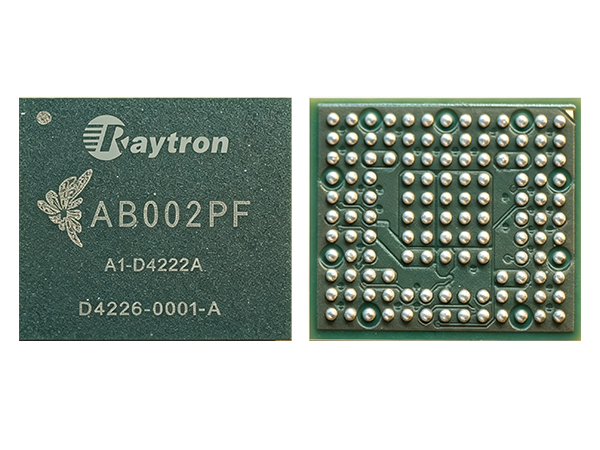 Silicon-Based ABF Chip AB003BF
Optical Material
Raytrontek
Function Description: X-band 4-channel 8-beam receiver chip Operating Frequency: 7.5~9GHz Main Specifications: Gain 7.3dB, NF≤11.5dB
-
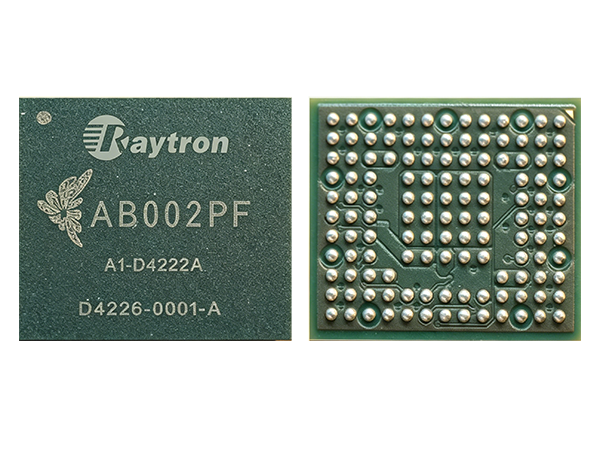 Silicon-Based ABF Chip AB301PF
Optical Material
Raytrontek
Function Description: K-band 8-channel dual-beam receive chip Operating Frequency: 17.7~21.2GHz Main Specifications: Gain 25dB, NF≤3dB
-
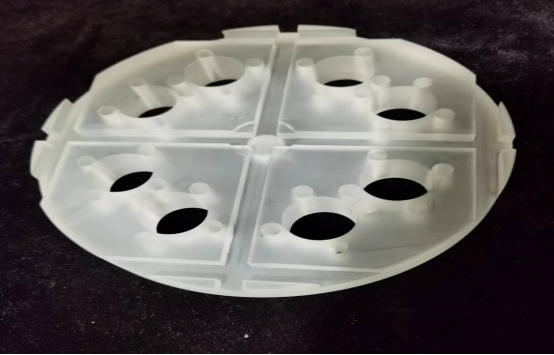 Multi-Hole Special-Shaped Blank
Optical Material
Hjgdkeji
-
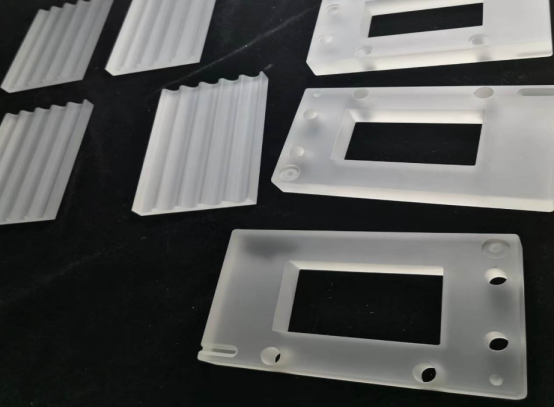 Special-Shaped Blank
Optical Material
Hjgdkeji
Related Articles
Laser pump sources are the core energy input component of solid-state lasers and laser amplifiers, and their performance directly determines the output power, beam quality and service life of the entire laser system. In scenarios such as industrial processing, scientific research experiments and high-end equipment, improper pump source selection will not only result in substandard system performance, but also bring a series of problems such as rapid device degradation and high operation and maintenance costs. This article sorts out the core selection logic and key pitfalls of pump source procurement, and provides selection references based on mature, mass-produced high-reliability products to help purchasers efficiently screen suitable products.
Widely adopted in small home appliances, industrial instruments, smart toys and atomization devices, the 0603 patch emerald green LED serves as a core status-indicating optical component.
An infrared transmitter (IR transmitter) is a basic electronic component that sends invisible infrared light signals for short-range wireless control. It is widely used in daily electronics, smart home devices, and industrial equipment due to its low cost, low power consumption, and stable performance.
Fluoride crystal glass and K9 optical glass are two core optical substrates widely used in precision optical systems, laser equipment and photoelectric scientific research.
Loading...
Name
Phone
Organization
Use Case

Database Platform