
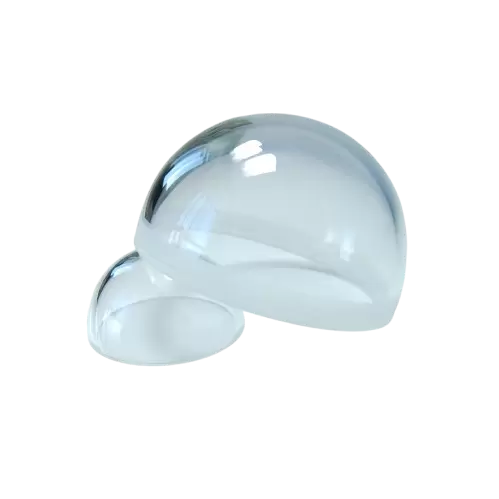
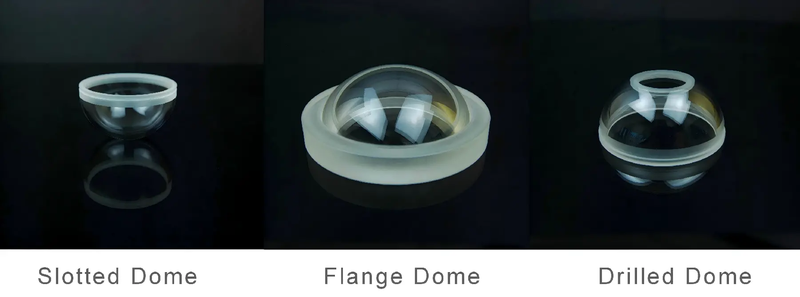
CNC Shaped Dome
Optical domes with special geometries, precision-machined by CNC, are often referred to as "non-standard domes." They are no longer isolated optical elements, but key components deeply integrated with the mechanical structure, installation method, sealing requirements, and spatial layout of the entire system. ECOPTIK can use CNC machining centers to perform high-precision cold machining of a series of complex shapes on pre-formed glass/crystal blanks.
 Save to Favorites
Overview
Specifications
| Parameter | Value |
|---|---|
| Substrate material | K9(CDGM), Sapphire, Si, MgF2, N-BK7, N-BK10, Fused silica (JGS1), Corining 7980, Borofloat 33, etc. |
| Surface Quality | 60/40, 40/20, 20/10, 10/5 |
| Dimension | 6mm-350mm |
| Surface fringe | 10(5)-3(0.5) |
| Thickness | 0.5mm-30mm |
| Coating [upon customer's request] | Anti-reflection (AR) Coating or upon customer's request |
| Thickness [In general] | ±0.1mm |
| Thickness [Best] | ±0.02mm |
Applications
Key Features
Datasheet
Please provide your email to download the datasheet.
Invalid email format. Please try again.
Supplier Information
Related Products
-
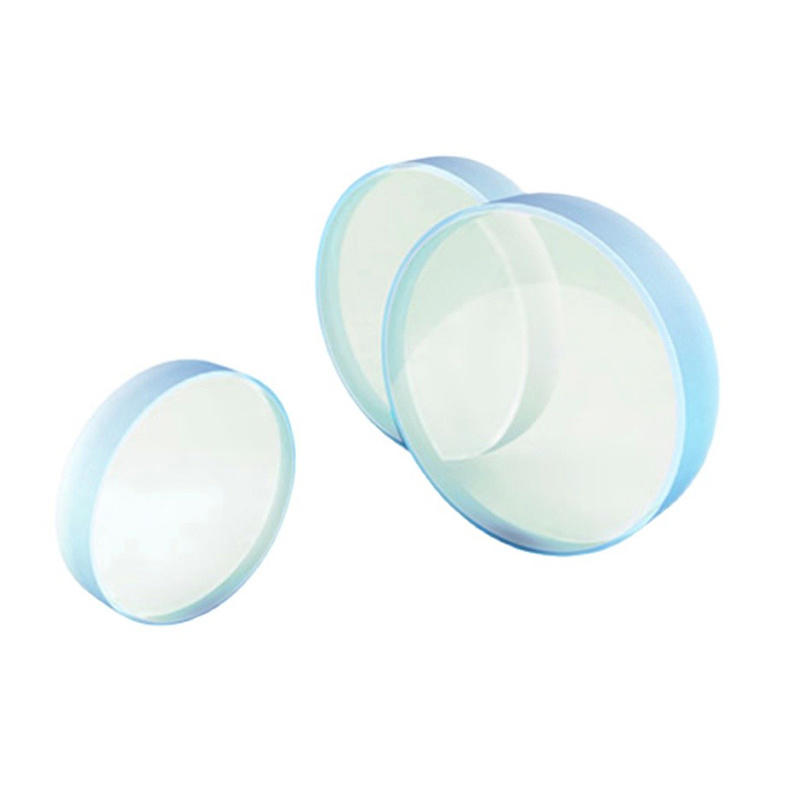 Chaoqiang Laser Welding Protective Lenses D18T2
Optical Windows
Auroralaser
Lens type: Laser Protective Lenses Applicable Products: 20S/T 21T 23S/T SW150
-
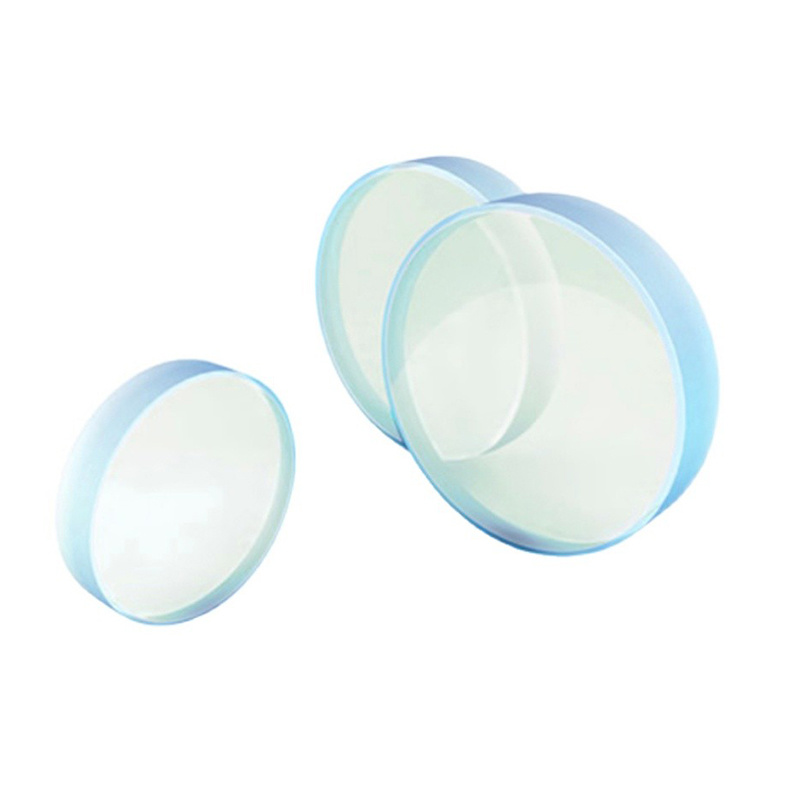 Chaoqiang Laser Welding Protective Lenses D30T5
Optical Windows
Auroralaser
Lens type: Laser Protective Lenses Applicable Products: 22C
-
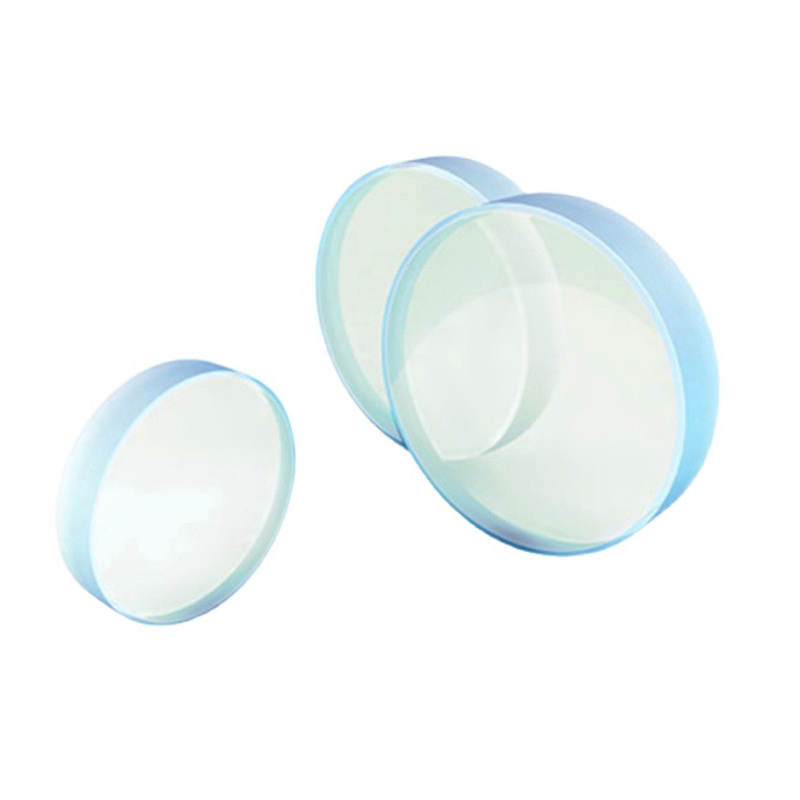 Chaoqiang Laser Welding Protective Lenses D20T2
Optical Windows
Auroralaser
Lens type: Laser Protective Lenses Applicable Products: 21C
-
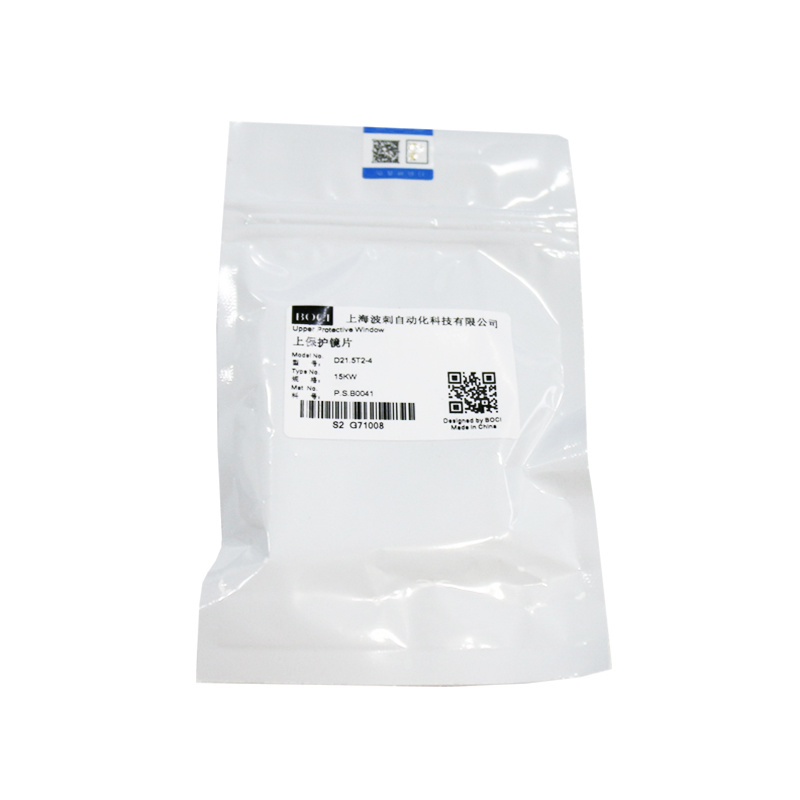 Original BOCI Laser Protective Windows
Optical Windows
Auroralaser
-
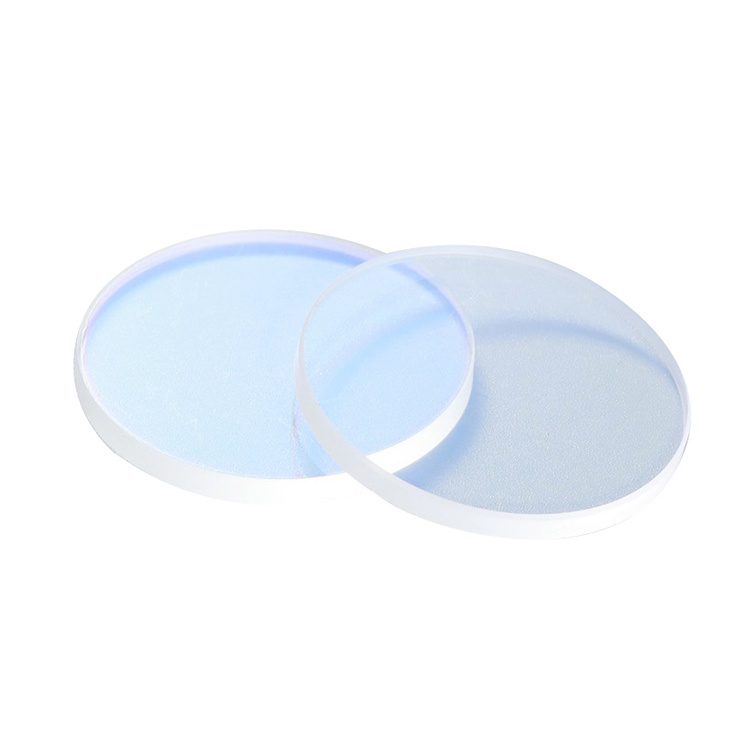 Protective Windows
Optical Windows
Auroralaser
Specifications [Specifications:14.8*4.1]: 14.8*4.1 Specifications [Specifications:18*2]: 18*2 Specifications [Specifications:20*1.5]: 20*1.5
Related Articles
The accelerated construction of new‑generation power systems has brought revolutionary upgrades to power‑equipment maintenance workflows.
Driven by fast‑growing demands of 3D perception, biometric authentication and machine‑vision industries, near‑infrared imaging optics have become a vital hardware component for intelligent sensing systems.
icrolight is a high-tech enterprise specializing in the R&D, manufacturing and sales of active and passive photonic devices for microwave photonics, LiDAR ranging, gas sensing, fiber optics and photomedicine.
Electro-optic deflectors (EODs) are optical devices used to steer or deflect light beams by applying an electric field to a specialized optical crystal. Unlike mechanical beam steering systems that rely on moving mirrors, electro-optic deflectors enable high-speed, non-mechanical beam control with exceptional precision and responsiveness. They are widely used in laser scanning, optical communications, microscopy, laser printing, spectroscopy, and scientific research, where rapid and accurate laser beam positioning is essential.
Loading...
Name
Phone
Organization
Use Case

Database Platform