

Optical Prism
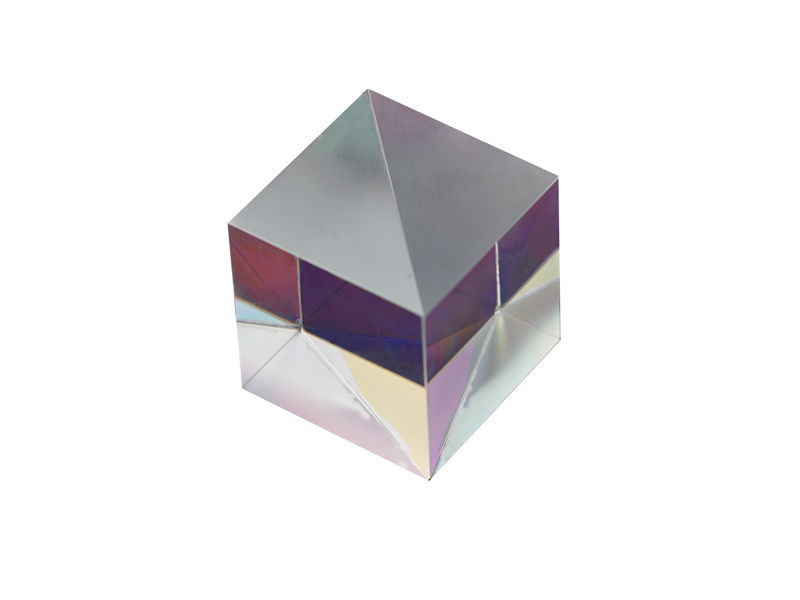
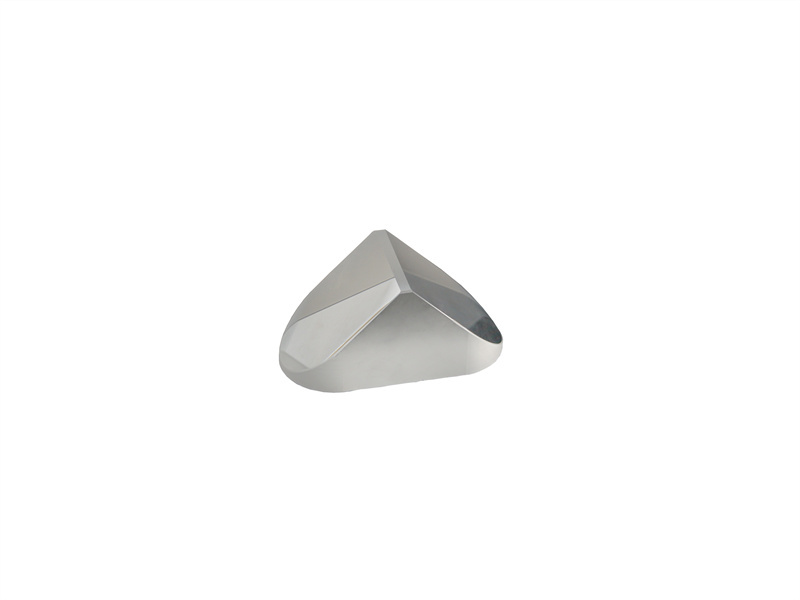
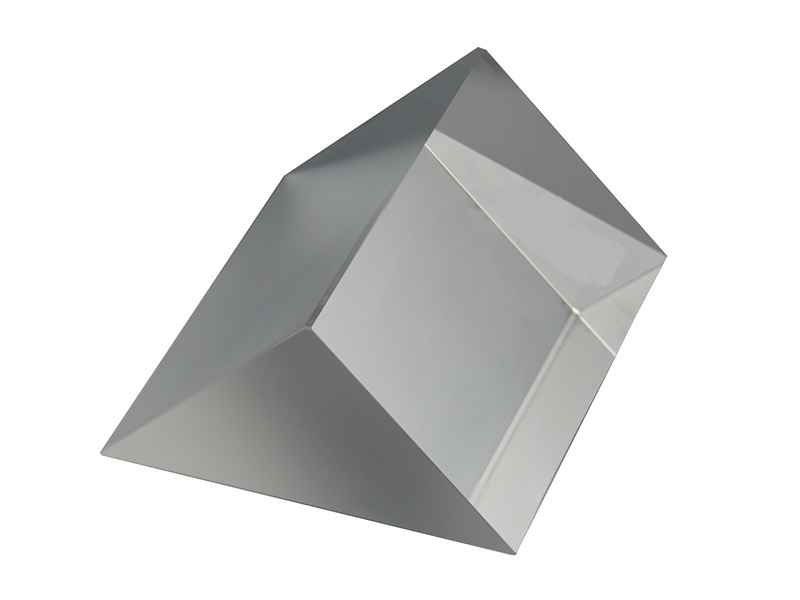
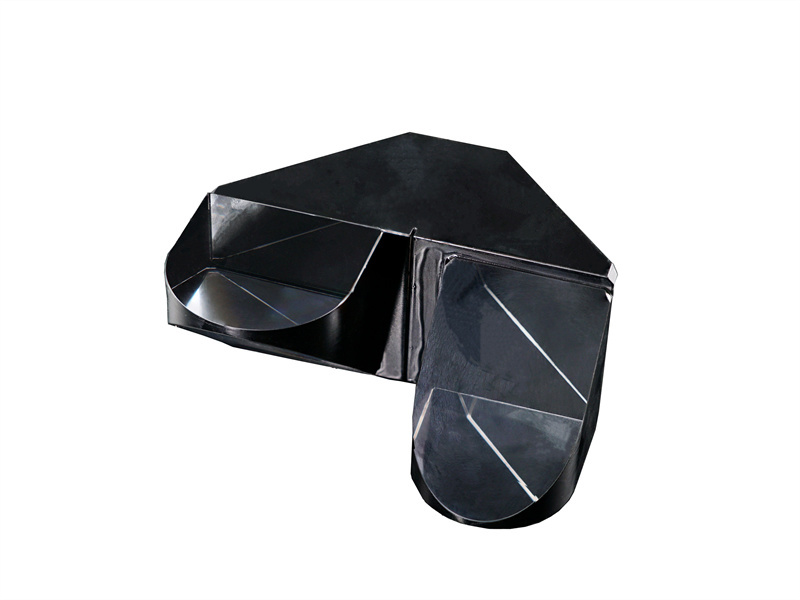
A prism is a transparent polyhedron, typically glass/crystal, bounded by intersecting nonparallel planes for splitting/dispersion and widely used in optics. Dispersing prisms separate composite light into spectra, commonly using equilateral triangular forms. Total-reflection prisms redirect light/image positions in periscopes or binoculars, commonly using right-angle forms. The description states that Newton discovered dispersion in 1666 but Chinese observers recognized it earlier: in the tenth century, sunlit transparent crystals were called 五光石 or 放光石 and described as producing rainbow colors. It presents this as recognition of a natural phenomenon rather than mystery, about seven centuries before Newton used a triangular prism to split sunlight into seven colors and explain white light as their combination.
 Save to Favorites
Overview
Datasheet
Please provide your email to download the datasheet.
Invalid email format. Please try again.
Supplier Information
Related Products
Related Articles
VCSEL, short for Vertical Cavity Surface Emitting Laser, is a widely used semiconductor laser component in modern optoelectronics. Unlike traditional edge-emitting lasers, VCSEL emits laser light vertically from its chip surface. Thanks to its low power consumption, stable beam quality, low cost, and easy integration, it has become the core light source for 3D sensing, wearable devices, and high-speed optical communication.
As fundamental refractive optical components, plano‑convex spherical lenses consist of one convex spherical surface and one flat surface.
FiDAR, the fiber‑optic radar vehicle positioning and tracking system developed by Jianhe Bafang, is a high‑sensitivity distributed fiber‑sensing solution designed for intelligent traffic road monitoring. It outputs real‑time spatial coordinates of every vehicle across the full road section around‑the‑clock, delivering a brand‑new sensing technology for vehicle‑road cooperation, smart highway construction and urban traffic management.
Raybowlaser, a professional manufacturer of high-power laser chips, has officially launched its upgraded new-generation 1470nm high-performance laser chip. Achieving groundbreaking progress in rated output power and wall-plug efficiency (WPE), this innovative laser chip delivers superior and reliable core light source solutions for medical cosmetology, industrial processing, agricultural applications and scientific research equipment.
Loading...
Name
Phone
Organization
Use Case

Database Platform