
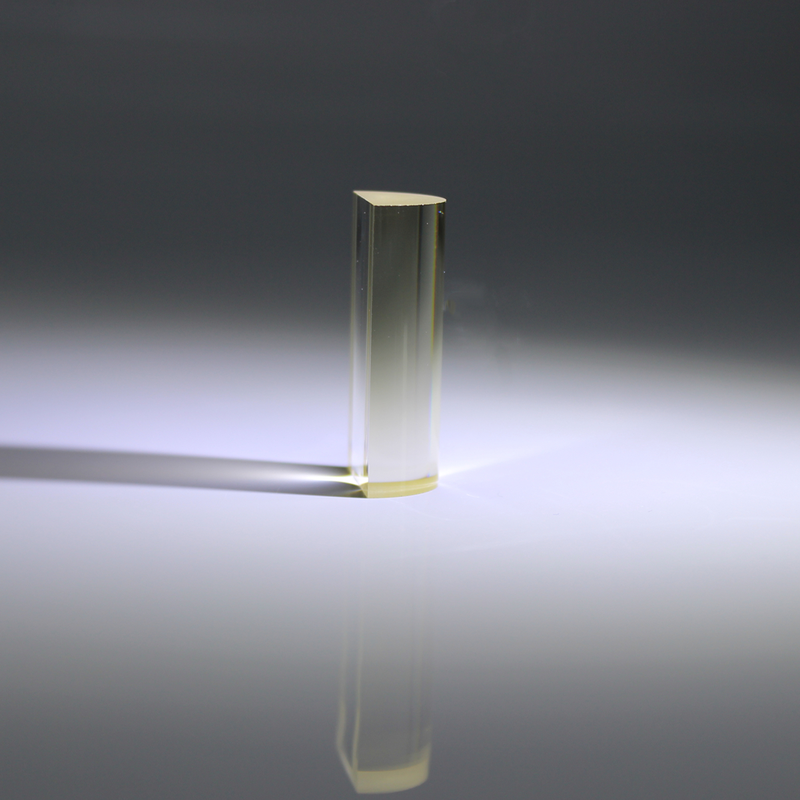
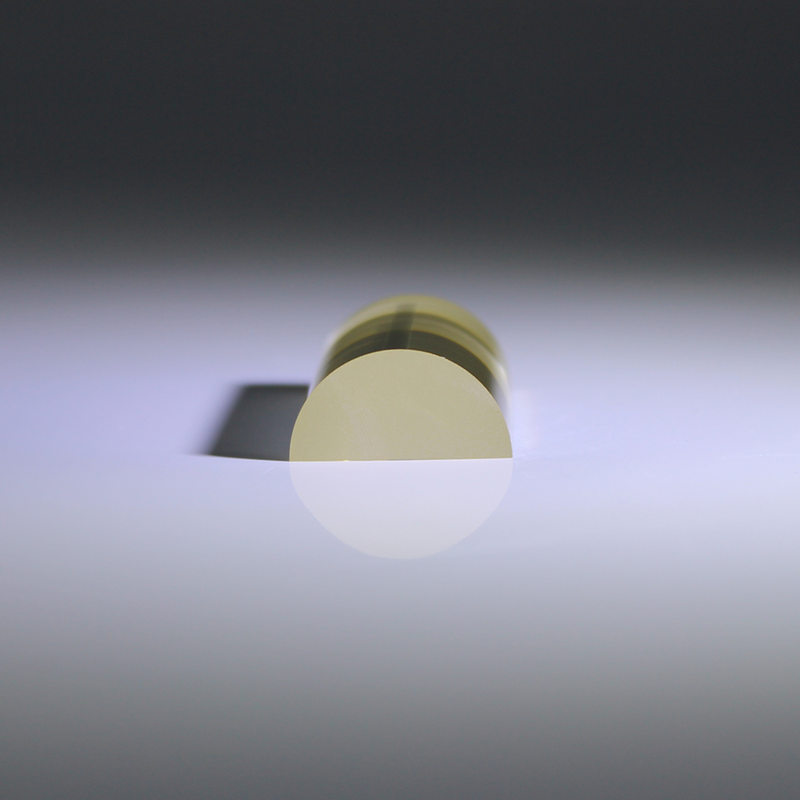
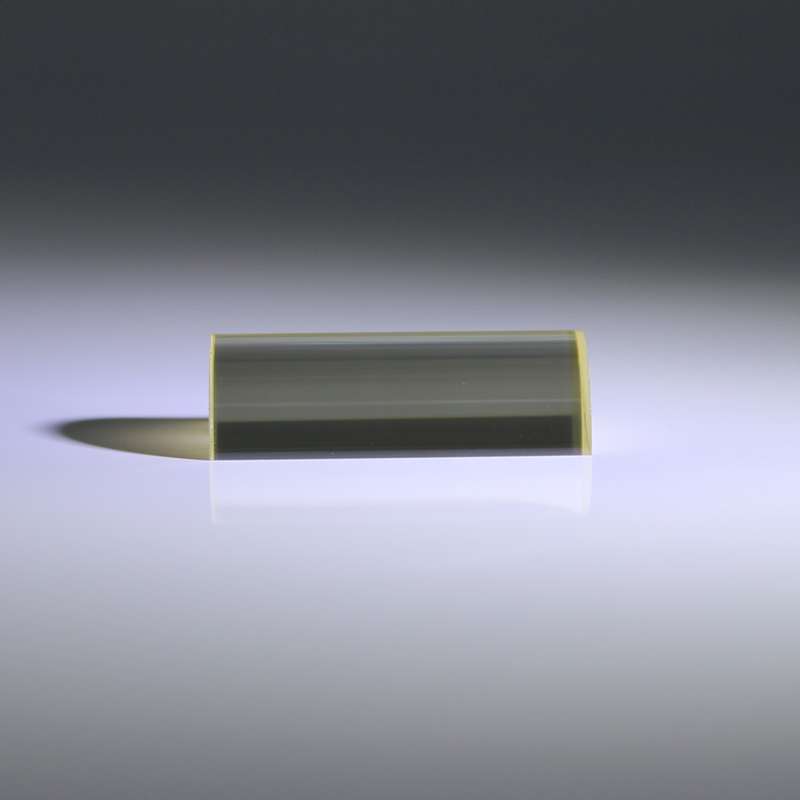
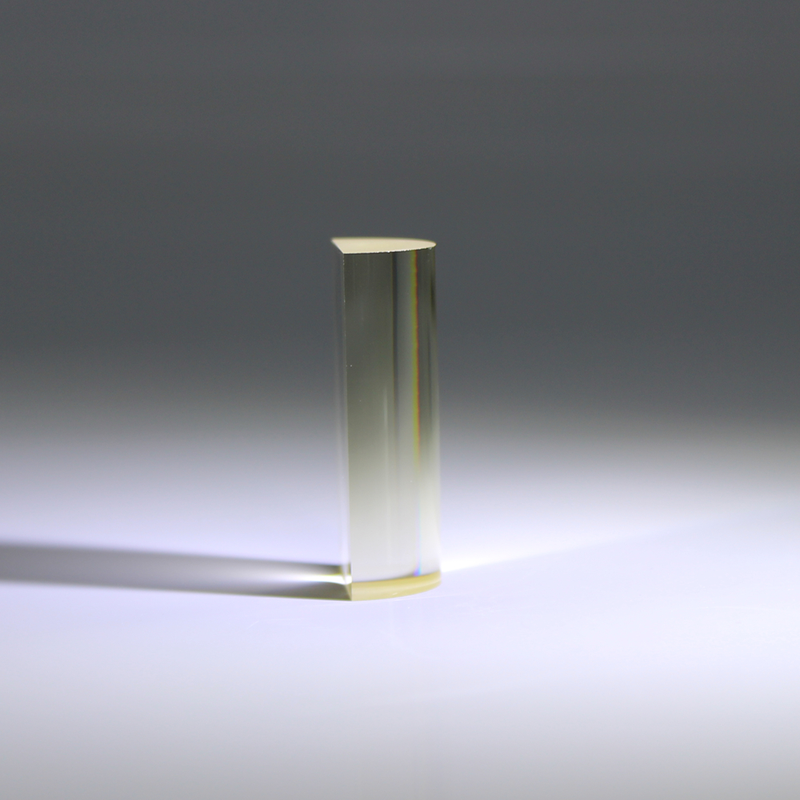
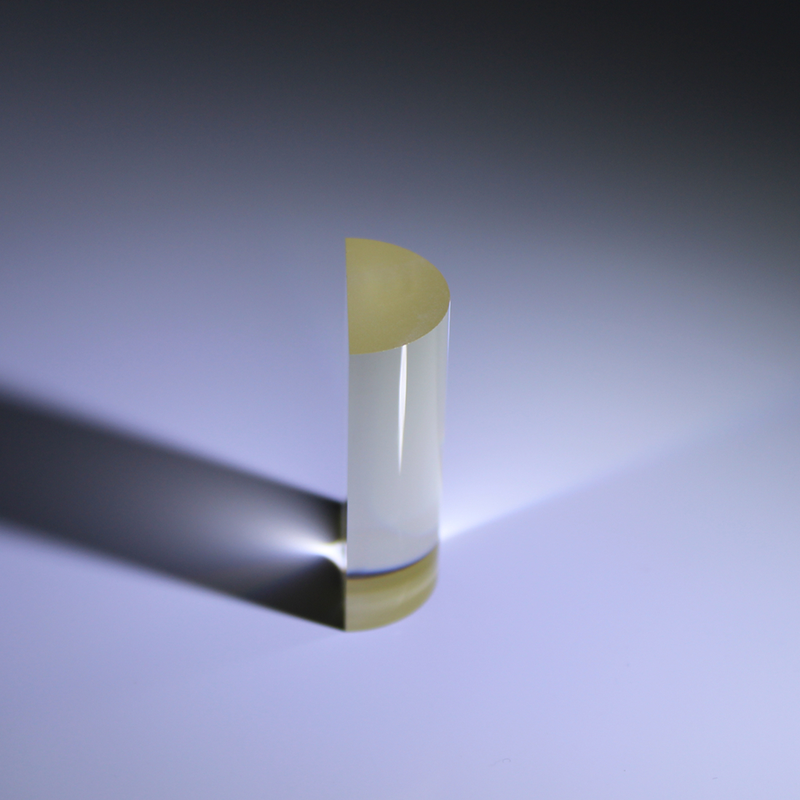

Plano convex cylindrical lens by ZF88 glass W-P21C6O1Y12502-210713
Cylinder Lenses are typically used to focus incoming light to a line, or to change the aspect ratio of an image. Cylindrical Lenses have a single cylindrical surface that causes incoming light to be focused in only a single dimension, stretching the image. Cylinder Lenses are available with positive or negative focal lengths, ideal for laser line generation or anamorphic beam shaping to circularize laser outputs. Material: ZF88 etc. Dimension: 3mm-500mm Tolerance: +/-0.01mm Surface Accuracy: lambda/10 Surface Quality: 10-5 Clear Aperature: 95% Coating: AR @400-700nm, R≤0.5% or Optional What is cylindrical lens? Cylinder Lenses are typically used to focus incoming light to a line, or to change the aspect ratio of an image. Cylindrical Lenses have a single cylindrical surface that causes incoming light to be focused in only a single dimension, stretching the image. Cylinder Lenses are available with positive or negative focal lengths, ideal for laser line generation or anamorphic beam shaping to circularize laser outputs. (Picture show of our ZF88 cylindrical lens) Kinds of cylindrical lens ● Plano-Concave Cylindrical lenses have a negative focal length and are used for image reduction or to spread light. ● Plano-Convex Cylindrical lenses have a positive focal length, which makes them ideal for collecting and focusing light for many imaging applications. ● Double-Convex Lenses are used in image relay applications, or for imaging objects at close conjugates. ● Double-Convex Lenses have positive focal lengths, along with two convex surfaces with equal radii. Aberrations will increase as the conjugate ratios increase. DCV Lenses are used in a range of industries or applications. Cylindrical lens from VY VY Optics offers a wide variety of Double-Convex Lenses in a range of substrates or anti-reflection coatings for maximum performance in the Ultraviolet (UV), Visible, or Infrared (IR). Anti-reflection coatings include UV-AR, UV Fused Silica or Calcium Fluoride (CaF2) substrates are also available for additional performance in the Ultraviolet (UV) or Infrared (IR) spectrums. UF Fused Silica Double-Convex Lenses are ideal for close conjugate imaging systems utilizing Ultraviolet (UV) illumination. Calcium Fluoride (CaF2) offers a very wide transmission range of 350nm – 7μm. Material: ZF88; N-bk7; K9; Quartz glass or other optical materials Dimension Tolerance: +0.0 — -0.1mm Center Thickness: +/-0.1mm Focal Length Tolerance: +/-1% Surface Quality: 20/10 Surface Figure: lambda/2 at 633nm on plano side Clear Aperture: >90% Chamfer: 0.25mm at 45 degree typical Coating: Optional Most commonly used and the earliest example of an achromatic lens is the achromatic doublet. An achromatic doublet is made from a pair of glasses, of which one is typically a concave and another is convex. The concave element of the doublet is composed of flint glass (with higher dispersion); the convex element, however, is made up of crown glass (with low dispersion). These two elements are placed (cemented) next to each other in such a manner that the chromatic aberration of the one element is balanced by the chromatic aberration of another. There are various types of achromatic lenses, which differ in the type of lens elements and optical properties. Cylindrical vs Spherical lenses Imagine a sphere made of glass and suppose we cut on any plane that completely passes through the sphere. Our end part will be a spherical lens with a flat surface and a curved surface. If we illuminate the flat side with a light source, we will see that all the light is focused on a point at a certain distance in front of the lens. If we rotate the spherical lens, the position and shape of the focused light will not change Now imagine that instead of cutting glass balls, we cut glass cylinders. We need to cut the cylinder with a plane parallel to its axis of rotation (this will be the longest axis). We end up with a lens that is flat on one side and curved on the other. However, the curve of the cylindrical lens is only in one direction. Why is this important? Well, because when we illuminate a cylindrical lens, it will focus on a line instead of a point. Not only that, if we rotate the cylindrical lens along the optical axis, the focus line will change its direction. Figure 1. We obtain a cylindrical lens by cutting a cylinder along the main axis Now, we might ask ourselves why we should use a lens that obviously distorts the shape of the light source into a line. Cylindrical lenses actually have many applications, making them very useful in optical systems, sometimes even necessary
 Save to Favorites
Overview
Datasheet
Please provide your email to download the datasheet.
Invalid email format. Please try again.
Supplier Information
Related Products
-
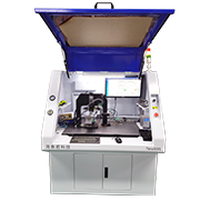 Tera3001-SA dual-LENS multidaughterboard coupling equipment
Optical Lenses
Terawan
The Tera3001-s multidaughterboard automatic alignment platform serves 10G/14G/25G optical transceivers. It mainly aligns lenses in Chip On Board (COB) modules, with single- or dual-channel lens/source alignment, automatic dispensing, and UV curing. The Tera3001-S provides high coupling efficiency, stability, and UPH depending on customer design, plus one-button collision protection and UV protection.
-
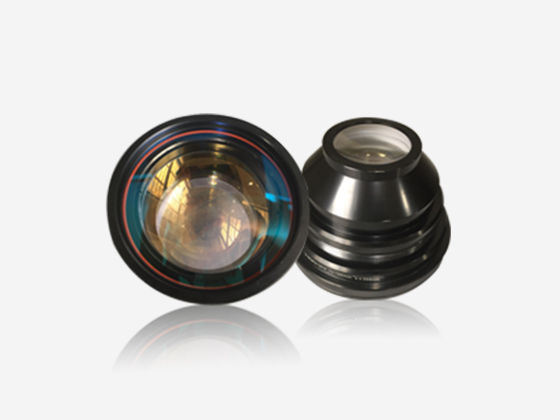 355 field lens
Optical Lenses
Central-laser
Focal Length [Original Table Row 2; Focal Length=100mm; Parallel Values in the Same Row Not Split into Separate Models or Configurations]: 100 mm Working Distance [Original Table Row 2; Focal Length=100mm; Parallel Values in the Same Row Not Split into Separate Models or Configurations]: 136 mm Scan Range [Original Table Row 2; Focal Length=100mm; Parallel Values in the Same Row Not Split into Separate Models or Configurations]: 70 mm² × 70 mm²
355 field lens: large zinc-selenide (ZnSe) focusing lens with a small spot for accurate marking. Imported lens material provides long service life and reduces removal, installation, and alignment. The 355nm scanning field lens is suitable for ultraviolet laser-marking machines.
-
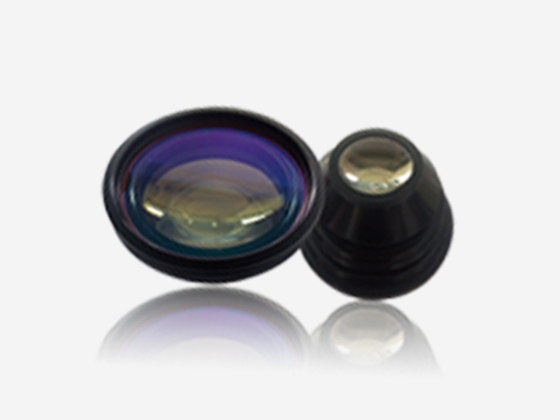 532 field lens
Optical Lenses
Central-laser
Focal Length [Original Table Row 2; Focal Length=100mm; Parallel Values in the Same Row Not Split into Separate Models or Configurations]: 100 mm Working Distance [Original Table Row 2; Focal Length=100mm; Parallel Values in the Same Row Not Split into Separate Models or Configurations]: 114.5 mm Scan Range [Original Table Row 2; Focal Length=100mm; Parallel Values in the Same Row Not Split into Separate Models or Configurations]: 70 mm² × 70 mm²
532 field lens: large zinc-selenide (ZnSe) focusing lens with a small spot for accurate marking. Imported lens material provides long service life and reduces removal, installation, and alignment. The 532nm field lens is suitable for green laser-marking machines.
-
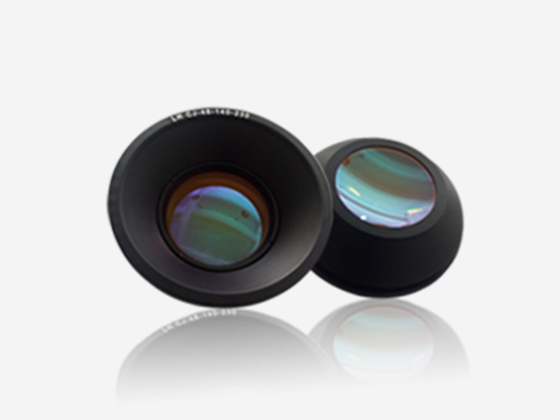 CO2 field lens
Optical Lenses
Central-laser
Focal Length [Original table row 2; Focal length=72mm; Parallel values in the same row, without additional model or configuration splitting]: 72 mm Mirror Diameter [Original table row 2; Focal length=72mm; Parallel values in the same row, without additional model or configuration splitting]: 48 mm Scan Range [Original table row 2; Focal length=72mm; Parallel values in the same row, without additional model or configuration splitting]: 50 mm² × 50 mm²
CO2 field lens: large zinc-selenide (ZnSe) focusing lens with a small spot for accurate marking. Imported lens material provides long service life and reduces removal, installation, and alignment. The 10640nm scanning field lens is suitable for CO2 laser-marking machines.
-
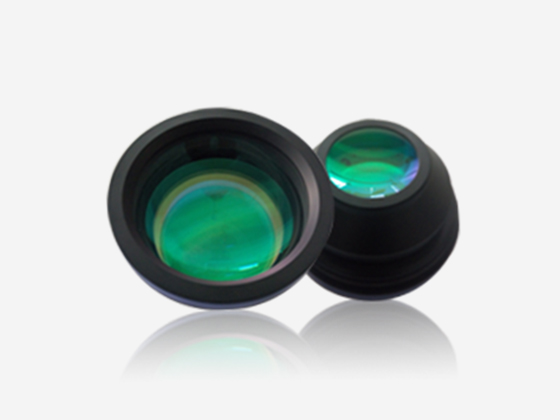 YAG field lens
Optical Lenses
Central-laser
Focal Length [Original table row 2; Focal length=63mm; Parallel values in the same row, without additional model or configuration splitting]: 63 mm Working Distance [Original table row 2; Focal length=63mm; Parallel values in the same row, without additional model or configuration splitting]: 78 mm Scan Range [Original table row 2; Focal length=63mm; Parallel values in the same row, without additional model or configuration splitting]: 50 mm² × 50 mm²
YAG field lens: large zinc-selenide (ZnSe) focusing lens with a small spot for accurate marking. Imported lens material provides long service life and reduces removal, installation, and alignment. The 1064nm scanning field lens is suitable for fiber laser-marking machines.
Related Articles
Founded in 2003, BWT Beijing Optoelectronics adheres to the mission "Let Dreams Fly With Light" and vision of becoming a Global Leader in Laser Solutions, guided by the core value "Innovate to Achieve Extraordinary".
As premium broadband light sources situated between traditional LEDs and laser diodes, MicroLight superluminescent‑diode (SLD) products combine broad spectral bandwidth, sufficient optical output power and low‑coherence performance.
Founded in November 2017, TIANJIN H‑CHIP TECHNOLOGY GROUP CORPORATION is a professional manufacturing‑service provider dedicated to micro‑nano optoelectronic chips. It holds multiple prestigious qualifications, including National High‑Tech Enterprise, one of Tianjin’s first Gazelle‑certified Enterprises, Specialized‑Refined‑Differentiated‑Innovative SME, and Leading Enterprise for Strategic Emerging Industries.
Looking for a market-verified 808nm pump laser diode? This guide introduces HAUCORE DM-8E5A-8OD (HGLD-808-COS-D-5W), its core advantages, key specs and mainstream industrial, medical & research applications.
Loading...
Name
Phone
Organization
Use Case

Database Platform