
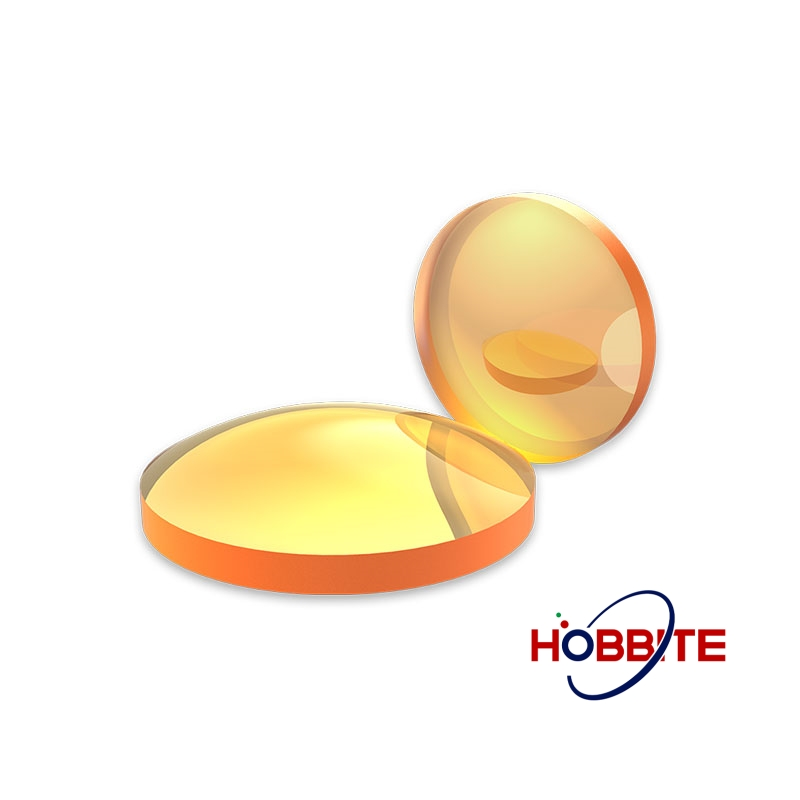
plano-convex lens
A plano-convex lens is a basic and widely used optical element, with a convex spherical surface on one side and a flat plane on the other. This unique asymmetric design makes it a key component for light convergence, collimation and imaging in optical systems. Its working principle is based on the law of refraction: when parallel light passes through the convex surface of the lens, it is refracted and converges toward the focal point on the optical axis, thereby converting a diverging light source into a collimated beam, or focusing incident light to a point. The core advantage of a plano-convex lens lies in its ability to effectively reduce spherical aberration — when the convex surface faces parallel incident light, the difference in refraction angles at the spherical and planar surfaces is minimized, significantly improving focused spot quality and imaging clarity.
 Save to Favorites
Overview
Specifications
| Parameter | Value |
|---|---|
| Wavelength Range | 185~2100 nm |
| Sag Tolerance | +0.05 mm |
| Clear Aperture Dimension | > 85% |
| Degree of Eccentricity | < 1 arcmin |
| Lens Type | Plano-convex lens (optional BK7/fused silica/CaF2 materials) |
Applications
Key Features
Datasheet
Please provide your email to download the datasheet.
Invalid email format. Please try again.
Supplier Information
Related Products
-
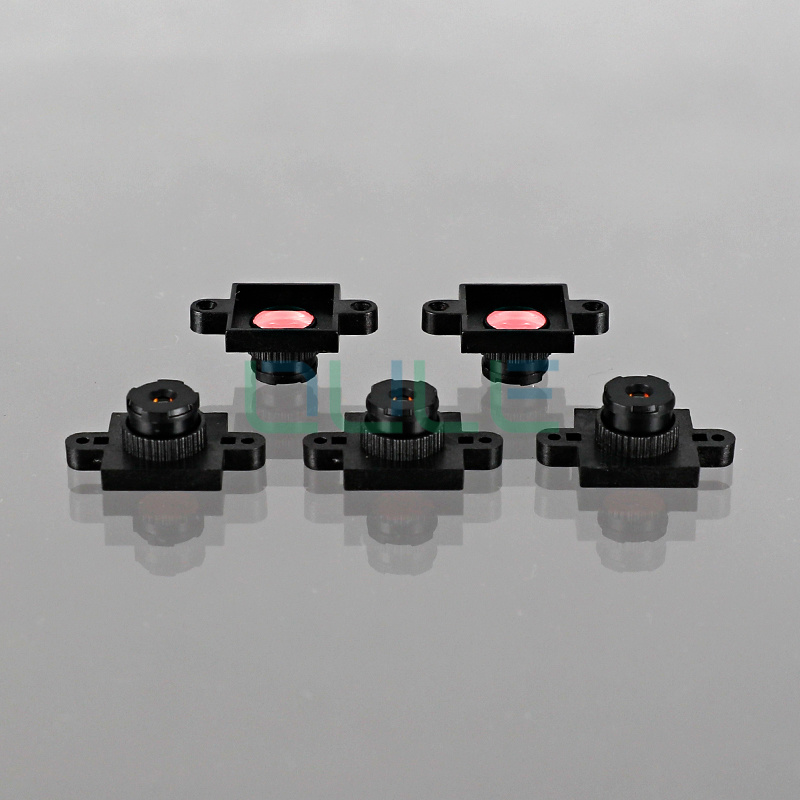 Scanning Lens
Optical Lenses
Sz-dule
Scanning Lens
Optical Lenses
Sz-dule
Application;
-
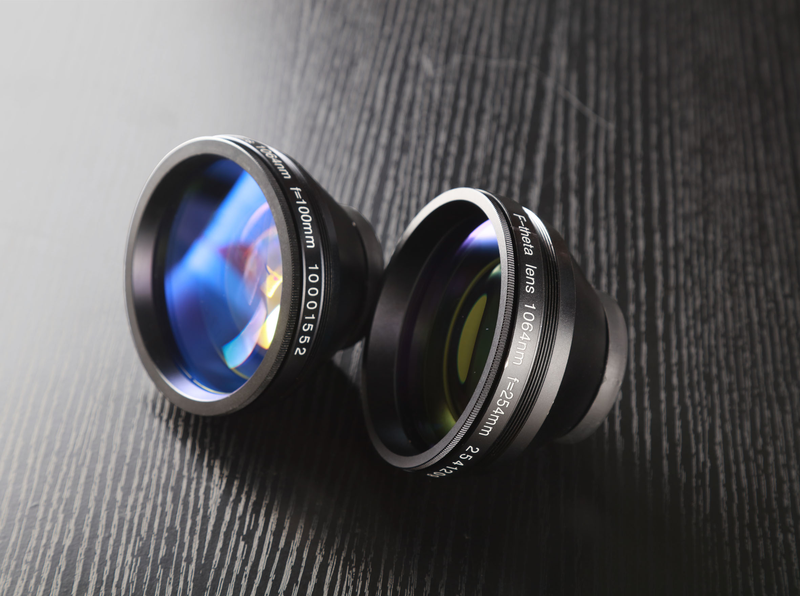 Field mirror
Optical Lenses
Jiepu
Field mirror
Optical Lenses
Jiepu
Task Focus: 114.6; 176; 230; 284; 324; 346 Scan Angle: ±28° Injection flares: 12; 16mm
-
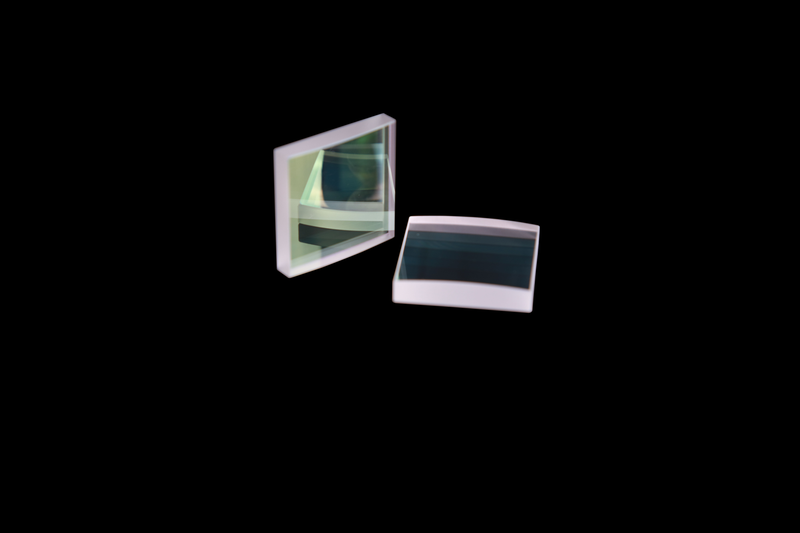 Column Mirror
Optical Lenses
Jiepu
Column Mirror
Optical Lenses
Jiepu
Materials: k9 Melting Rock / Imported Rock Focal range: ±2% Surface mass: 40/20
The pole mirror is a non-spherical lens; it can be effective in reducing the ball and colour differentials. It is divided into flat-column lenses, flat-column lenses, double-column lenses and double-column lenses. One-dimensional magnification
-
 Eyewasher lenses
Optical Lenses
Jiepu
Eyewasher lenses
Optical Lenses
Jiepu
Focus mirrors; full mirrors; black-faced doll mirrors; front mirrors; specifications; Ф15*4
-
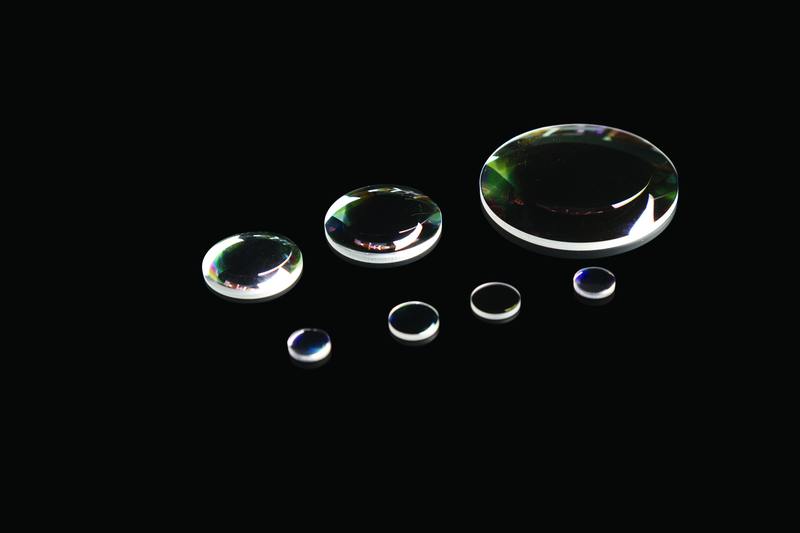 K9, Fused Silica and CaF2 Optical Lenses
Optical Lenses
Jiepu
K9, Fused Silica and CaF2 Optical Lenses
Optical Lenses
Jiepu
Materials: k9 Melting Rock / Imported Rock / CaF2 Focal range: ±2% Surface mass: 40/20
Related Articles
A laser bar is an array semiconductor laser chip integrated with dozens of emitters, which realizes hundred-watt quasi-continuous output on a single chip. With regular emitter arrangement and controllable fill factor, integrated thermal design and superior wall-plug efficiency compared to single chips, it acts as the core light source for high-power pumping, medical lasers and precision processing.
Driven by the continuous pursuit of higher precision and efficiency in optical communication and optoelectronic device manufacturing, OLCR-1000 Low-Coherence Interferometer, independently developed by Wuhan Guanggu Interconnect Technology Co., Ltd., provides an innovative technical solution for distributed return loss testing of optical fibers and optoelectronic devices.
Fluoride crystal glass and K9 optical glass are two core optical substrates widely used in precision optical systems, laser equipment and photoelectric scientific research.
For pulsed laser and full-spectrum optical testing, photodiodes and thermopiles have inherent drawbacks. Photodiodes show weak response in infrared band, while thermopiles feature slow response and cannot capture nanosecond narrow pulses.
Loading...
Name
Phone
Organization
Use Case

Database Platform